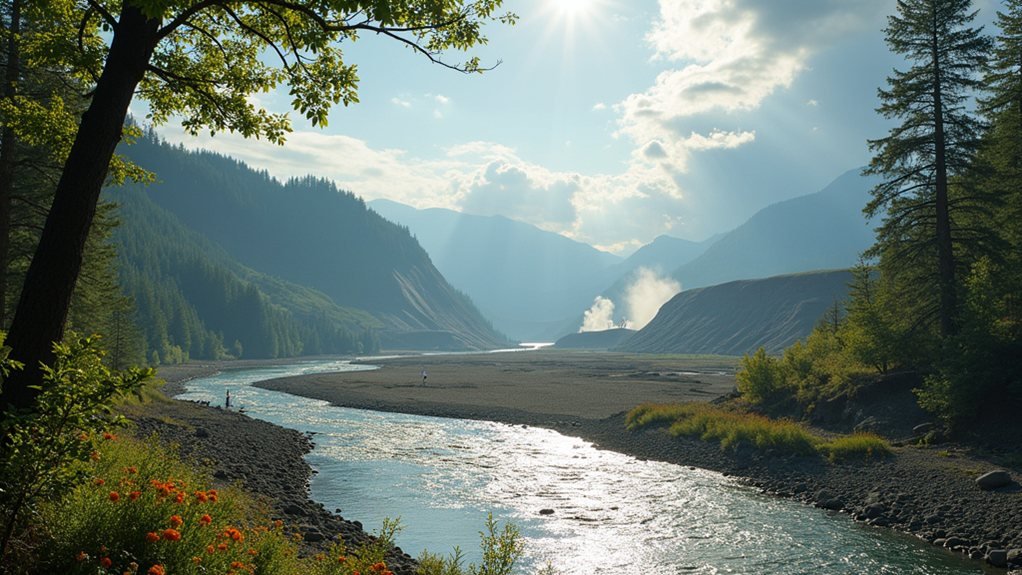

The Fording River expansion in British Columbia sparks serious water quality concerns, particularly for the Ktunaxa Nation. This project could pump higher selenium levels into local waters, endangering fish populations and, indirectly, the health of communities that rely on this water. Think of selenium like an unwanted spice in your soup, ruining not just the dish but the whole meal! As stakeholders strategize to tackle this, solutions are in the works, promising more insights ahead.
Quick Overview
- The Ktunaxa Nation is actively involved in addressing water quality concerns related to coal mine expansion in the Elk Valley.
- Expanding coal mining operations could significantly increase selenium levels, posing risks to aquatic ecosystems and community health.
- Environmental Impact Assessments are necessary to evaluate and mitigate potential damage from the Fording River expansion.
- The Ktunaxa Nation has secured funding for initiatives aimed at restoring and protecting habitats affected by mining activities.
- Collective action among stakeholders is essential to effectively tackle water quality issues arising from the coal mine expansion.
How the Fording River Expansion Affects Water Quality
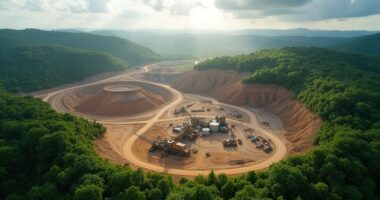
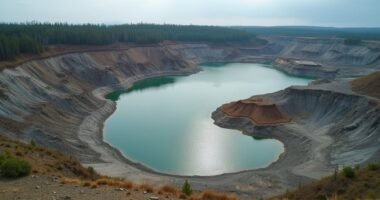
As concerns continue to ripple through the community, the Fording River expansion looms large over the delicate balance of water quality in the Elk Valley. This ambitious project is set to disturb 2,000 hectares and release nearly 4 billion pounds of waste rock, potentially ramping up selenium levels in the water. Such projects typically require a thorough Environmental Impact Assessment to evaluate and mitigate potential damage. Elevated concentrations could spell real trouble for aquatic life, especially the Westslope Cutthroat Trout. Selenium pollution builds up in food chains, causing reproductive issues in fish and aquatic insects. Imagine adding a few too many spices to a dish—what once was tasty becomes a disaster. Regulatory measures are in place, but the stakes are high, leaving both locals and ecosystems holding their breath. The ongoing treatment facilities have successfully removed significant levels of selenium, but the increasing pressure from the coal mine expansion raises concerns about future effectiveness.
Ktunaxa Nation’s Role in Addressing Water Quality Concerns
While water quality issues might seem like a distant concern for some, the Ktunaxa Nation is deeply invested in tackling these challenges head-on. Their involvement with the International Joint Commission (IJC) highlights a commitment to restoring waterways in ʔamakʔis Elk Valley. This agreement marks the first instance of an Indigenous nation being incorporated into pollution management strategies and governance efforts. With the establishment of technical working groups and the allocation of significant funding for habitat restoration, the Ktunaxa Nation pushes for transparency and collaborative solutions. Regular meetings guarantee that concerns about pollution, particularly from coal mining, remain at the forefront. Additionally, the Ktunaxa Nation has secured up to $30 million in funding for environmental initiatives to restore and conserve fish habitats affected by mining activities.
Strategies for Reducing Selenium Pollution Moving Forward
Finding effective strategies for reducing selenium pollution is essential not just for ecosystems but also for communities that depend on clean water. Implementing prevention at the source is vital, such as using impermeable soil covers to tackle sulphide oxidation. The innovative saturated rock fills, like the one at Elkview, create a low-oxygen haven for bacteria, which gobbles up selenium. Meanwhile, bioreactors and chemical treatments, though with limitations, offer clever alternatives. Pressure-driven membrane filtration acts as a superhero cape for water, although it sometimes gets a bit clogged. Integrating these methods with sustainable forest management practices can help maintain ecosystem health and water quality. Selenium (Se) is a naturally occurring element that can lead to significant ecological impacts when present in high concentrations, particularly as high selenium levels pose risks to aquatic life in the Elk River.