In a surprising twist, the UK is quietly slashing its climate funding for developing countries, cutting nearly £2.6 billion—a reduction that could spell trouble for crucial environmental programs. This decision threatens marine conservation efforts and climate adaptation, particularly in small island states. Critics see the cuts as self-sabotage, compromising global influence and food security. While the government insists it’s for greater impact, activists warn that this funding strategy might push us off course. Curious about the fallout?
Quick Overview
- The UK government has reduced its climate funding budget by nearly 20%, affecting developing countries’ support significantly.
- Funding cuts threaten marine conservation efforts in small island developing states and global biodiversity.
- Criticism from activists indicates these reductions undermine the UK’s global climate commitments and solidarity.
- Vulnerable communities in developing nations risk increased threats to their livelihoods and food security due to reduced financial support.
- Experts warn that lack of ongoing funding could derail future adaptation strategies and broader climate goals globally.
Effect of Reductions on Key Environmental Programs
The recent reductions in UK climate funding are casting a shadow over several essential environmental programs, much like a cloudy day threatens a well-planned picnic.
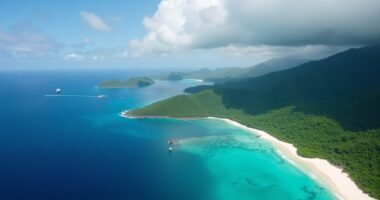
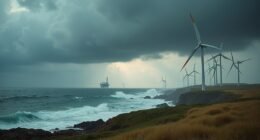
These cuts particularly impact marine environment initiatives in small island developing states (SIDS), where critical partnerships bolster ocean protections amidst growing climate pressures.
With funding slashes, anti-poverty efforts tied to marine conservation face uncertainty, threatening strategies aimed at climate resilience.
Coupled with dwindling biodiversity support, the cuts risk stalling infrastructure efforts like flood defenses.
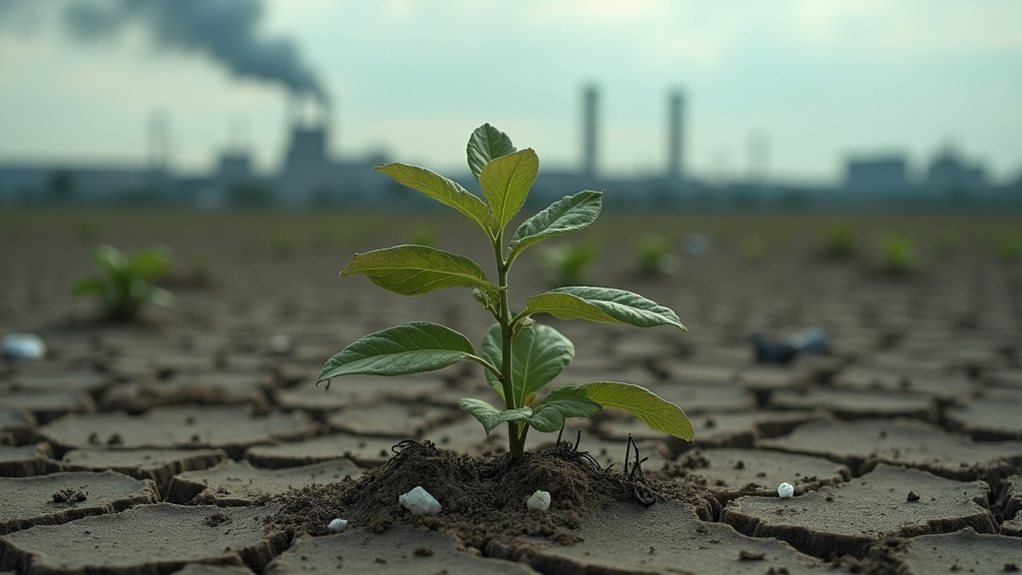
Without stable funding, the very ecosystems supporting livelihoods and global food security may become the next environmental tragedy played out on an ever-shrinking stage.
The UK’s climate funding reductions also threaten critical forest conservation programs in developing nations, where sustainable management and restoration efforts depend heavily on international financial support.
How UK Climate Funding Cuts Impact Developing Countries
In a world where climate change is the hot topic at every environmental summit—and sometimes even in casual conversations—the recent cuts to UK climate funding have landed like a wet sock on a sunny day.
With a slashed budget of nearly 20 percent, developing countries in Africa, Asia, and South America now face a severe reduction in critical climate and biodiversity support.
Imagine trying to save a sinking ship with a shrinking lifeboat—ineffective, right? These reductions threaten vulnerable communities, curbing adaptation efforts and increasing risks to lives and livelihoods.
The long-term impacts could echo for generations, leaving a chilling reality in their wake.
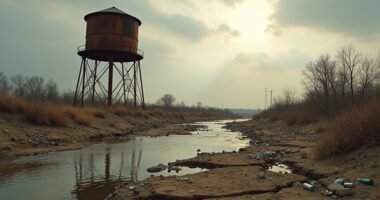
Effective sustainable water management will become even more challenging for these nations as funding cuts limit their ability to address water scarcity issues exacerbated by climate change.
What the UK Government and Activists Are Saying About Funding Cuts?
How exactly is the UK government framing its recent cuts to climate funding?
Officials describe the £2.6 billion reduction as a “modernising” move aimed at achieving “greater impact” for each pound spent.
Yet, activists and critics brand this approach an “act of self-harm,” risking both global influence and food security, particularly since the UK heavily relies on climate-vulnerable imports.
An open letter by 86 organizations labeled it a “massive betrayal.”
With the government’s own assessments indicating a need for increased support, the cuts have drawn sharp rebukes, reminding everyone that if all nations followed suit, climate goals could sink faster than an unsinkable ship.
Experts emphasize that meaningful progress requires reducing carbon emissions across all economic sectors and energy systems, not simply reallocating funds.