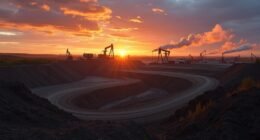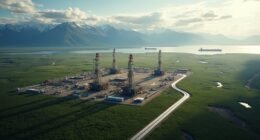

UK quarries are embracing renewable energy and closed-loop water systems in a big way. Think solar panels and wind turbines powering operations, cutting down on fossil fuel reliance—pretty cool, right? Closed-loop systems save up to 98% of water, recycling every precious drop while keeping equipment running like a well-oiled machine. This combo not only boosts efficiency but also helps the environment. Curious about what other innovative practices are shaping the future of quarrying? The adventure continues!
Quick Overview
- UK quarries are increasingly adopting renewable energy sources like solar and wind to reduce carbon emissions and enhance sustainability.
- Closed-loop water systems in quarries can save up to 98% of water compared to traditional methods, significantly lowering operational costs.
- Innovations such as AI algorithms and advanced crushing techniques are improving efficiency and sustainability in quarry operations.
- The integration of renewable energy and closed-loop systems supports the UK’s goal of achieving net zero emissions by 2050.
- Sustainable practices in quarrying, including water recycling and energy optimization, contribute to climate change mitigation efforts.
Adopting Renewable Energy in UK Quarries
As the UK strides confidently toward its ambitious net zero emissions target by 2050, the adoption of renewable energy in quarries has become a game-changer, much like finding out that your favorite pizza place now offers gluten-free crust. Quarries, often seen as fossil fuel guzzlers, are now harnessing solar panels and wind turbines to power their operations. This shift not only reduces reliance on traditional energy sources but also enhances resilience against market fluctuations. Advanced smart grid technologies are being implemented to optimize energy distribution and storage within these industrial environments. With a goal of carbon neutrality, quarry operators are transforming their practices, paving the way for a cleaner, more sustainable future—who knew rock and roll could be so green? In 2025, UK renewables accounted for 47% of total electricity supplies, showcasing the significant impact of renewable energy integration across various sectors. This transition is vital for tackling climate change effectively and achieving long-term sustainability goals.
How Closed-Loop Water Systems Boost Efficiency
When quarry operations embrace closed-loop water systems, they not only enhance efficiency but also become champions of sustainability—like trading in a gas-guzzling car for a sleek electric vehicle. These systems can save up to 98% of water compared to traditional methods, making them a lifeline in water-scarce regions. With minimal evaporation, they require only 2-8% of the water used in conventional aggregate washing. Additionally, closed-loop systems reduce costs by recycling drilling fluids and lessening maintenance needs. By controlling temperature precisely, these systems extend equipment life and prevent inefficiencies, proving that sustainability doesn’t just save the planet—it saves money too! Moreover, the use of sophisticated piping systems ensures efficient circulation, further enhancing overall system performance. These innovations represent a critical solution to water stress that affects over two billion people globally, helping industries reduce their environmental footprint.
What Future Innovations Will Shape Sustainable Quarrying?
Innovation is the name of the game in the world of sustainable quarrying, where the future is being shaped by a blend of cutting-edge technology and eco-friendly practices.
Advanced crushing techniques are transforming concrete into recycled aggregates that rival virgin materials, while biochar production turns organic waste into carbon-storing gold. Biochar sequesters carbon as it is embedded in construction materials, further enhancing sustainability efforts. Additionally, the introduction of technologies that utilize CO2 to break rock signifies a shift towards energy-efficient mining practices.
Meanwhile, AI algorithms are like treasure maps, guiding miners to hidden mineral riches with astonishing efficiency. Some quarries are exploring direct air capture technology to remove carbon dioxide directly from the atmosphere while operations continue. As the industry embraces calcined clay for low-carbon cement, it’s clear: sustainable quarrying is not just a dream but a reality, one that could even make Mother Nature crack a smile.