Ecosystem degradation is a serious concern for the UK’s future, threatening both economic stability and food security. With 40% of food imported, and rising global prices, our reliance on external sources makes us vulnerable. Meanwhile, declining biodiversity could mean fewer resources for everyone. But fear not! Clever solutions like wetland restoration and community partnerships can help. Tackling these challenges could bring resilience. Curious about how we can foster this sustainability? The next part has some insights!
Quick Overview
- Ecosystem degradation threatens UK prosperity by increasing food and energy prices, risking economic stability.
- The UK’s reliance on food imports makes it vulnerable to global supply chain disruptions.
- Biodiversity loss exacerbates competition for dwindling resources, affecting food security and market stability.
- Proactive strategies, including nature-based solutions, are essential to combat ecosystem collapse and ensure resilience.
- Stakeholder engagement and innovative funding models are crucial for community investment in biodiversity conservation and ecosystem health.
Key Risks of Ecosystem Collapse for the UK
As the world grapples with ecosystem degradation, the UK finds itself at a precarious crossroads, where the consequences of environmental collapse are no longer just distant worries but present-day threats. Economic stability hangs by a thread, as rising food and energy prices bite into budgets. The UK’s reliance on imports means that supply chain disruptions could lead to limited diets, a culinary nightmare. Meanwhile, biodiversity loss intensifies competition for dwindling resources, leaving the economy vulnerable. With critical ecosystems collapsing globally, the UK faces increased market shocks, making it clear that nature’s balance is not just an environmental issue, but an economic one too. The current extinction rate is tens to hundreds of times higher than historical averages, underscoring the urgency of addressing biodiversity loss. Ecosystem collapse amplifies risks of floods, droughts, and wildfires, further threatening the stability of the UK economy. Restoring habitats and promoting species diversity can help reduce these risks and support long-term resilience.
How Ecosystem Collapse Affects Food Security?
While many might think of food security as simply ensuring there’s enough food on supermarket shelves, the reality is much more complex and intertwined with the health of our ecosystems.
The UK relies heavily on imports—40% of its food, with 25% from Europe—making it vulnerable to global disruptions. When ecosystems like the Amazon falter, crop failures and fisheries loss ripple across borders, affecting availability and driving prices up. The interconnectedness between ecosystems and security highlights that ecosystem collapse poses risks to UK food security and economic stability. Additionally, the report warns that current food production levels are insufficient to feed the population, further exacerbating the looming crisis.
With depleted soils and dwindling pollinators, domestic production faces its own challenges. Hence, without robust ecosystems, the UK’s food security teeters on a precarious edge, leaving households grappling with rising food prices and uncertainty. A sustainable approach to farming and distribution that preserves biodiversity and reduces waste can help mitigate these risks and strengthen food resilience.
Implementing Strategies for Resilience Against Ecosystem Vulnerability
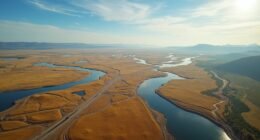
Recognizing the urgent need for resilience against ecosystem vulnerability, experts emphasize that a proactive approach is crucial to safeguarding natural resources and communities alike. The UK’s Third National Adaptation Programme aims to fill gaps in climate strategies, while a £10.5 billion flood defense initiative seeks to tackle rising waters. Innovative funding, like local climate bonds, guarantees that communities can invest in their futures. Nature-based solutions, such as restoring wetlands, offer double benefits: reducing floods and storing carbon. With inclusive partnerships and research driving these efforts, the UK is setting the stage for a robust ecosystem that supports both people and nature. Additionally, the conference will bring stakeholders together to discuss implications for national and local government plans, especially in light of the shift towards nature-positive solutions gaining traction across sectors. Coastal management approaches that combine engineering and sustainable ocean practices can further enhance resilience and economic benefits.