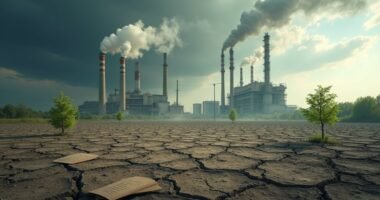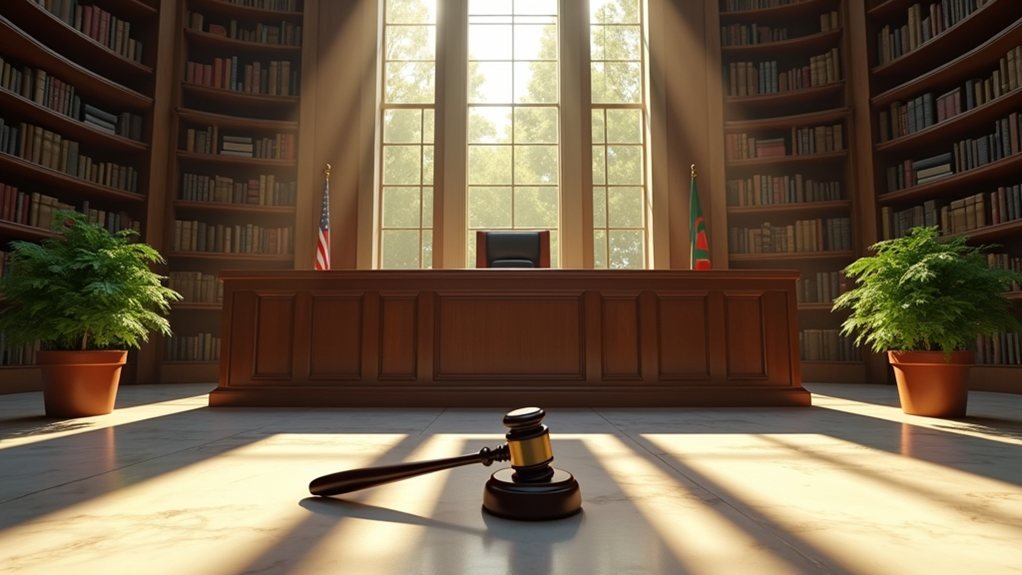

A recent court ruling tossed out attempts to block climate action, emphasizing that states have the green light to hold fossil fuel companies accountable. The judge noted a lack of real disputes in federal claims, boosting state-level initiatives for environmental justice. This ruling allows state attorneys general to sue for climate damages, like battling extreme heat and strengthening infrastructure. Curious about the growing momentum for legal actions against oil giants? More exciting developments are unfolding!
Quick Overview
- A federal judge dismissed Michigan’s climate lawsuit, indicating no real dispute under Article III requirements.
- The U.S. Department of Justice’s attempt to block the claims was deemed premature due to lack of standing.
- The ruling encourages states to pursue independent lawsuits against fossil fuel companies for climate damages.
- Multiple state attorneys general are now asserting their rights to sue, focusing on climate-related infrastructure issues.
- Michigan’s Attorney General has initiated an antitrust lawsuit against major oil companies, alleging anti-competitive practices.
What Was the Court’s Ruling on Michigan’s Climate Lawsuit?
When the court ruled on Michigan’s climate lawsuit, it was like a game of legal chess where the pieces were set, but the opponent didn’t even show up. Judge Jane M. Beckering dismissed the case on January 24, 2026, citing a lack of a real dispute under the Article III case-or-controversy requirement. The U.S. Department of Justice’s bid to block Michigan’s claims was deemed premature since the state hadn’t even filed its suit. The court found that without concrete injuries, the federal government lacked standing, leaving Michigan free to pursue its climate litigation, much to the chagrin of fossil fuel companies. This ruling emphasizes constitutional limitations on federal lawsuits and encourages state-level initiatives on environmental claims. The decision also highlights the growing role of ESG frameworks in shaping how courts and parties assess corporate environmental responsibility.
How the Court’s Ruling Impacts State Efforts to Hold Fossil Fuel Companies Accountable
The court’s recent ruling in Michigan’s climate lawsuit has opened the floodgates for states enthusiastic to hold fossil fuel companies accountable, much like a sudden downpour after a long drought.
Michigan’s ruling has unleashed a wave of legal action against fossil fuel companies, igniting state accountability efforts.
Multiple state attorneys general, from California to New Jersey, are seizing the moment, asserting their right to sue fossil fuel giants for climate damages and deceptive practices. With claims ranging from extreme heat management to infrastructure fortification, states are now armed with legal standing. Meanwhile, coordinated efforts, like California’s case management, promise to keep fossil fuel companies on their toes, as states aim for financial recovery and accountability. This momentum is further bolstered by recent court rulings that favor states in their lawsuits against Exxon. Additionally, the oil executives’ awareness of fossil fuel dangers for decades strengthens the states’ position in their legal battles. The surge in state actions also raises questions about greenwashing indicators and how companies represented themselves to the public.
What’s Nessel’s New Antitrust Action Against Fossil Fuel Companies?
In a bold move that could shake up the fossil fuel industry, Michigan Attorney General Dana Nessel has launched a federal antitrust lawsuit against major oil companies, including BP, Chevron, and Exxon Mobil.
The lawsuit claims these companies acted like a “cartel,” stifling competition and keeping Michigan residents stuck with high energy costs. By manipulating patents and hiding renewable energy options, they’ve made it tough for consumers to choose cleaner alternatives. This lawsuit is based on allegations of violating state and federal antitrust laws, which could reshape the energy market landscape. Notably, the lawsuit alleges that oil companies raised energy prices for Michigan consumers, contributing to the ongoing energy affordability crisis.
Nessel seeks damages and penalties, marking a significant shift in the legal landscape where climate accountability meets antitrust law. The case also highlights growing attention to environmental, social, and governance considerations in how investors and stakeholders evaluate corporate behavior.
Will this shake up the fossil fuel giants? Only time will tell!