
Canada is rolling up its sleeves to boost carbon capture technology in the oil sands, aiming for a greener future by 2026. With initiatives like the Pathways Project, major players are vying to cut emissions and create thousands of jobs. Imagine a 650 km pipeline transporting CO2 underground, much like a highway for pollution prevention! Despite the challenges and financial hurdles, the potential to capture 70 million tonnes of CO2 annually keeps hope alive for Alberta’s eco-friendly ambitions. Curious about how it all unfolds?
Quick Overview
- Canada supports the Pathways Project, aiming for net-zero emissions in oil sands by 2050 through significant investments and collaborations among major producers.
- A proposed 650 km pipeline aims to enable underground CO2 storage, contributing to the goal of cutting 22 million tonnes of greenhouse gases by 2030.
- The government has invested over $1.2 billion in carbon capture initiatives, with expectations of 40 projects enhancing Alberta’s capture capacity.
- Phase one of the Pathways Project is scheduled to commence in late 2026, reinforcing Alberta’s strategy for a sustainable energy future.
- Innovations in carbon capture, alongside technologies like direct air capture, are essential for achieving environmental benefits and addressing public skepticism.
Context of Carbon Capture in Canada’s Oil Sands
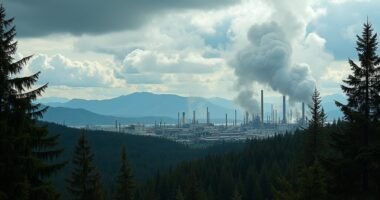
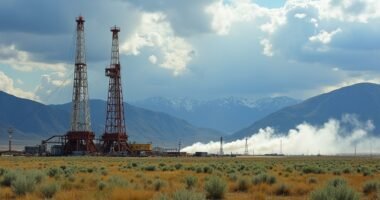
As the climate conversation heats up—and no, not just from the oil sands—Canada is stepping up its game in carbon capture technology, particularly in the country’s extensive oil sands.
An impressive array of initiatives, including tax credits for carbon capture and significant government partnerships, is underway. The Alberta oilsands alone emitted 89 megatonnes of CO2 in 2023, prompting urgent action for cleaner practices.
Canada is ramping up its commitment to carbon capture, as Alberta’s oil sands face urgent calls for cleaner practices.
Major industry players are uniting to create a CO2 transportation network, while innovative technologies like Enhanced Oil Recovery (EOR) are being explored to reduce emissions.
These efforts complement other carbon storage methods, ranging from natural solutions like forest management to advanced direct air capture technologies.
It’s all hands on deck in this high-stakes environmental poker game.
What You Need to Know About the Pathways Project
A remarkable collaboration is underway in the Canadian oil sands, aiming for a cleaner, greener future through the Pathways Project.
Launched by six major producers, this initiative targets net-zero emissions by 2050, while ambitiously seeking to cut 22 million tonnes of greenhouse gases by 2030.
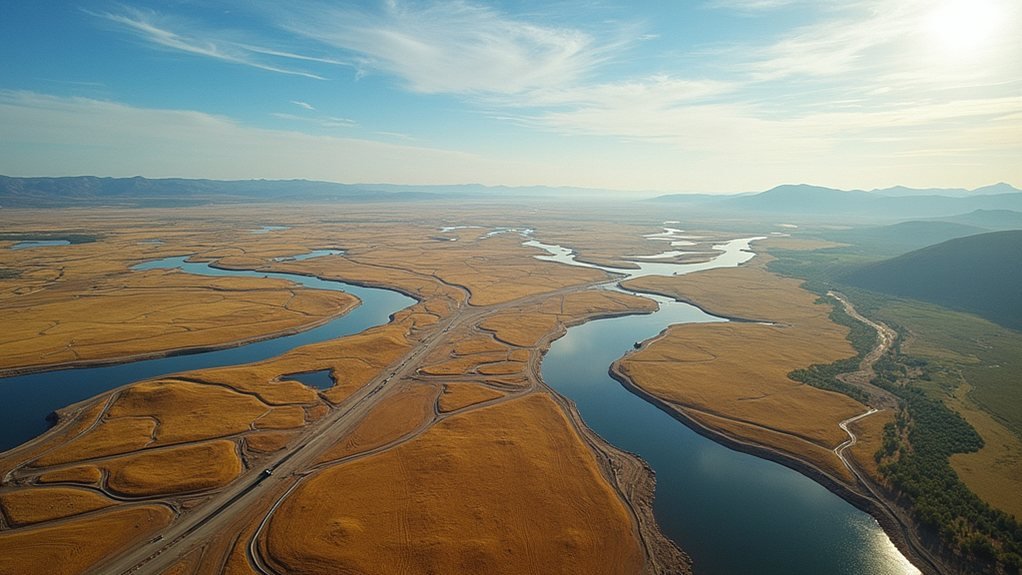
Picture a expansive 650 km pipeline whisking CO2 away to its underground storage home, nestled 1,000-2,000 meters deep.
With a hefty $16.5 billion investment, expect 35,000 new jobs popping up in Alberta like wildflowers.
Phase one kicks off foundational work by late 2026, setting the stage for a sustainable energy future—no magic wand required!
While the focus remains on reducing carbon emissions, organizations increasingly recognize the need to address biodiversity loss alongside climate action through comprehensive environmental frameworks.
Challenges and Opportunities in Alberta’s Carbon Capture Initiatives
Maneuvering the landscape of carbon capture initiatives in Alberta presents both significant hurdles and exciting possibilities.
On one hand, the province boasts over 100 billion tonnes of CO2 storage capacity, making it a geological treasure chest. However, widespread implementation requires overcoming financial barriers and public perception.
With government investments surpassing $1.2 billion and 40 promising projects on the horizon, the potential capture could reach 70 million tonnes annually.
As pipelines like ACTL become operational, Alberta’s ambition stands tall—ready to transform emissions into a treasure map of environmental benefits.
Still, it’s a balancing act between innovation and skepticism, with every step taken counting. Beyond traditional carbon capture, emerging technologies like direct air capture offer complementary pathways for removing atmospheric CO2 to support corporate net-zero strategies.