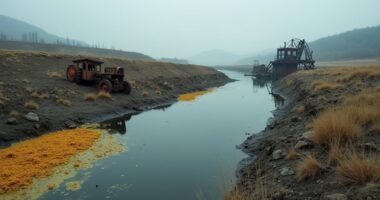

As of March 2026, the water crisis in First Nations communities is spiraling out of control, largely due to climate change. Rising temperatures spawn blue-green algae blooms, while diminishing snow and glacial melt shrink water supplies, making clean water a precious commodity. It’s like trying to squeeze water from a stone—frustrating and ineffective. With operational hurdles and chronic underfunding stalling progress, urgent and innovative solutions are required. Stick around to explore how sustainable management practices can help turn the tide.
Quick Overview
- Rising temperatures exacerbate water scarcity in First Nations, increasing incidents of blue-green algae blooms and further diminishing water quality.
- Chronic underfunding and ineffective oversight hinder the functionality of existing water infrastructure in many communities.
- Drought conditions attributed to climate change are worsening the ongoing drinking water crisis faced by First Nations communities.
- Coastal First Nations are experiencing flooding and saltwater intrusion, making clean water access even more challenging.
- Implementing sustainable water management practices and Indigenous-led governance can improve long-term resilience against climate impacts.
Understanding the Ongoing Water Crisis in First Nations Communities
Although many Canadians may take access to clean drinking water for granted, the ongoing water crisis in First Nations communities paints a starkly different picture.
As of February 2026, 39 long-term drinking water advisories plague 37 communities, impacting over 5,700 homes. Surprisingly, nearly half of these systems already have the infrastructure for clean water but face operational hurdles.
Chronic underfunding and ineffective federal oversight have created a perfect storm of infrastructure woes.
Chronic underfunding and poor federal oversight have led to a crisis in water infrastructure for First Nations communities.
Meanwhile, the recently added Seine River First Nation advisory reminds us that these challenges are not just numbers; they represent lives grappling with inadequate resources in their quest for a basic human right. Implementing sustainable water management practices could help address both the immediate crisis and long-term resilience of these communities.
How Climate Change Affects Water Availability and Quality in First Nations?
As the planet warms, the intricate dance of water availability and quality faces new, unpredictable moves, especially for First Nations communities. Rising temperatures inflate blue-green algae blooms like balloons at a birthday party, threatening drinking water.
Meanwhile, less snow and glacial melt lead to dwindling water supplies, making droughts the unwelcome guests. Flooding and saltwater intrusion crash the party for coastal communities, with poor infrastructure struggling under the pressure.
With 39 drinking water advisories in place, the stakes are high. Regular water quality monitoring through proper sampling techniques and analysis of key parameters becomes essential for detecting these climate-driven threats before they escalate. This brewing storm means First Nations face a future where clean water is as elusive as a rare Pokémon, and sipping water feels like a game of chance.
Top Solutions for Sustainable Water Management in First Nations
When it comes to sustainable water management in First Nations, a wealth of innovative approaches is emerging, turning challenges into opportunities for revitalization.
Indigenous-led governance fosters stewardship, emphasizing harmonious relationships with nature—think of it as giving Mother Earth a heartfelt hug.
Infrastructure upgrades have lifted many drinking water advisories since 2015, while nature-based solutions, like restoring wetlands, prove beneficial beyond mere aesthetics.
Additionally, empowering Indigenous Protected Areas allows communities to guard their sacred waters as cherished heritage.
Collaborative partnerships breathe new life into these initiatives, combining ancient wisdom with modern technology—a true team effort in reviving water’s essential flow.
Urban water management techniques such as rain gardens and pervious pavements offer scalable models that can be adapted to protect community water sources while enhancing local landscapes.