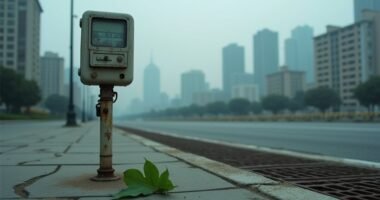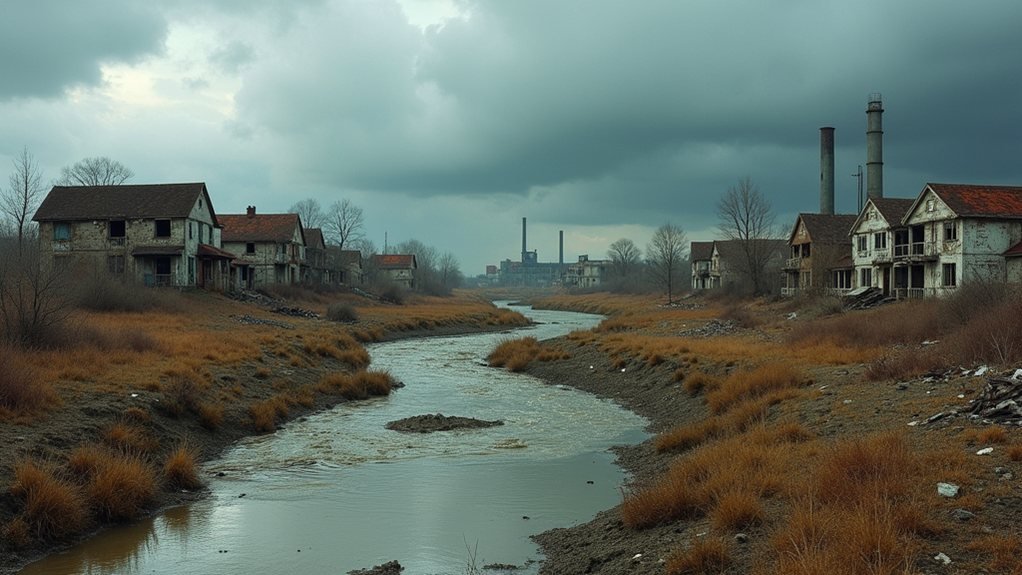

The issue of toxic housing developments in the U.S. is making headlines, especially concerning sites near former Superfund areas. Residents are understandably worried about lingering pollutants, despite officials assuring safety. It’s like finding a candy bar in your jacket only to remember it had melted last summer—uncertain and unsettling. With over 50 million tons of carbon emitted annually from construction, the stakes are high. Curious about how communities are addressing these hidden hazards? There’s much more to explore!
Quick Overview
- A viral video in March 2026 highlighted concerns about new housing built near toxic Superfund sites in Houston’s Second Ward.
- Residents expressed fears about legacy toxins, raising issues of environmental justice for marginalized communities.
- The video showcased ecological risks from new developments, including habitat destruction and increased carbon emissions from construction.
- Safety standards for housing development were discussed, highlighting legislation aimed at improving living conditions and disaster preparedness.
- Community engagement is vital, as developers need to address resident feedback to create sustainable and safe housing solutions.
The Hidden Dangers of Toxic Housing in America
In a world where every new housing development seems to sprout like weeds after a rain, it’s alarming to discover that some of these homes are pitched perilously close to toxic land.
Take the Houston Second Ward, for instance—a $140 million housing project nestled next to former Superfund sites and contaminated ash dumps.
A $140 million housing project in Houston’s Second Ward sits alarmingly close to toxic waste sites.
While officials proclaim safety tests show no immediate risks, residents whisper concerns about legacy toxins lurking underneath.
It’s like being served a delicious-looking meal but knowing the kitchen is a health hazard.
Environmental justice hangs in the balance, with low-income families potentially bearing the brunt of historical pollution.
This pattern reflects how environmental burdens are disproportionately distributed across different communities, with marginalized populations often facing greater exposure to pollution and contamination.
Understanding Environmental Risks in New Housing Projects
What exactly lies beneath the surface of new housing projects? It’s not just soil and rock; it’s a complex tapestry of environmental risks.
Clearing forests and wetlands can disrupt essential habitats for local wildlife, while creating vast swaths of concrete transforms urban areas into heat islands, exacerbating the heat.
As new homes arise, so does a concerning estimate of over 50 million tons of embodied carbon emissions each year, potentially equivalent to multiple power plants.
Additionally, recklessly constructing on pristine land might seem appealing but leads to significant ecological harm, raising an urgent call for smarter, more mindful development.
Just as coastal development threatens marine ecosystems, inland construction can compromise waterways that flow into oceans, making sustainable development strategies essential for protecting both terrestrial and aquatic environments.
Strategies for Enhancing Safety Standards in Housing Development
How can developers strike the right balance between safety and innovation in housing projects?
They must embrace recent legislation like Assembly Bill 628, mandating stoves and refrigerators in rental units, alongside disaster cleanup standards from Senate Bill 610.
By enhancing safety through clear guidelines, such as eliminating aesthetic requirements while ensuring functional design, they can foster safer living environments.
Enhancing safety with clear guidelines creates functional designs, fostering safer living environments for everyone.
Additionally, manufactured housing reforms simplify construction processes, making it easier to adopt energy-efficient practices.
With these strategies, developers not only meet safety standards but also pave the way for innovative housing solutions that prioritize both comfort and sustainability—because who wouldn’t want a safe home that looks great, too?