
U.S. power usage is on track to hit historic highs in 2026-2027, largely fueled by a surge in demand from artificial intelligence and data centers. These tech giants are guzzling energy like it’s going out of style, with AI servers projected to ramp up consumption considerably. Meanwhile, fossil fuels are gradually giving way to renewables, especially solar. As the energy landscape shifts, there’s more to uncover about how we can adapt to this electrifying trend!
Quick Overview
- U.S. electricity demand is projected to increase to 4,372 billion kWh by 2027, representing a significant rise from previous years.
- AI-driven servers, growing at 30% annually, are expected to elevate data center energy consumption to 326 TWh by 2028.
- The increasing power density in AI racks is transforming data centers into major energy consumers, stressing regional grids.
- Renewable energy sources are expected to grow from 24% to 27% of the power generation mix, increasingly supporting rising demand.
- Stakeholder collaboration and innovations in energy management will be essential to address the challenges posed by surging AI power consumption.
Overview of Power Demand Trends for 2026-2027
As the sun rises on the energy landscape of 2026 and 2027, a transformation is underway that even Hollywood couldn’t script.
A groundbreaking transformation in the energy landscape is unfolding, setting the stage for an electrifying future.
The U.S. electricity demand is set to climb, reaching a staggering 4,372 billion kWh in 2027, up from 4,195 billion kWh in 2025.
Residential, commercial, and industrial sectors all forecast gains, with commercial sales skyrocketing by 10 billion kWh in 2026 alone.
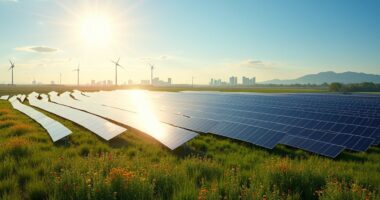
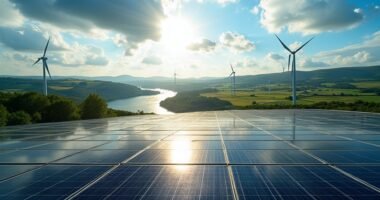
Meanwhile, renewable energy‘s share is growing, proving that the future may be brighter than a Pennsylvania summer.
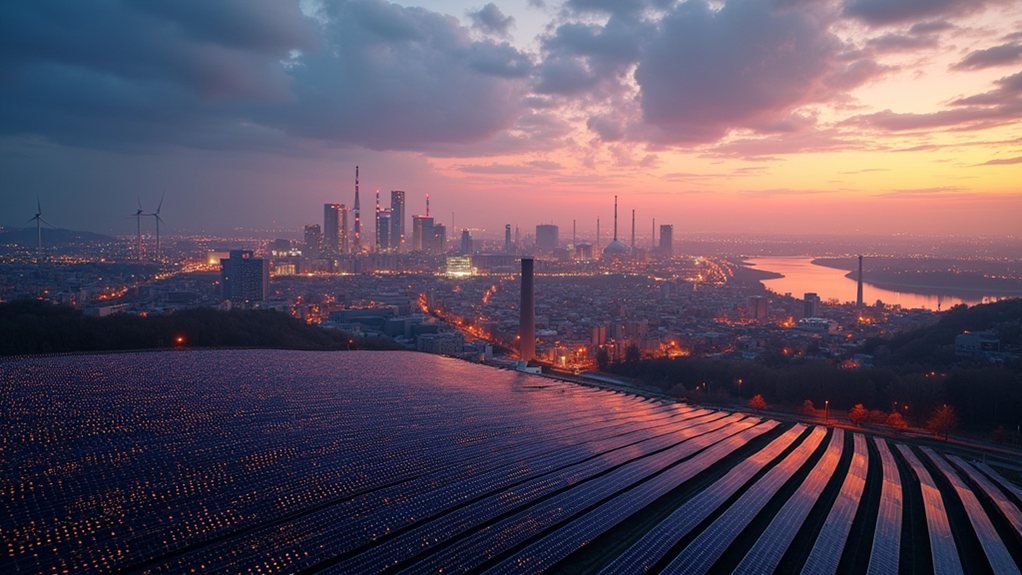
As demand surges, the electric grid hums a promising tune, embracing an era of renewed energy innovation and challenge.
To manage the environmental impact of this energy surge, stakeholders should adopt a waste management hierarchy that prioritizes prevention and efficiency improvements before considering disposal options.
AI and Data Centers’ Roles in Power Demand Dynamics
While the world continues its dance with digital innovation, the surge in AI-driven demand is redefining the power dynamics of U.S. data centers.
In 2024, these digital powerhouses consumed 183 TWh, equating to the energy for 15 million homes. AI servers, growing at an astonishing 30% annually, are set to devour up to 326 TWh by 2028.
That’s like giving a power-hungry toddler a lifetime supply of candy! As AI racks tripled in power density, they transformed data centers from simple rooms into energy-hungry giants. This new reality is pushing regional grids to their limits and reshaping our energy future. Meeting this unprecedented demand will require a fundamental shift toward renewable energy sources to ensure sustainable power infrastructure for the digital age.
Trends in Natural Gas, Coal, and Renewable Energy Generation
The landscape of energy generation in the U.S. is undergoing a transformation that is nothing short of dazzling, especially when it comes to the tug-of-war between natural gas, coal, and renewable energy sources.
While natural gas maintains a 40% power generation stake, a slight decline to 39% is anticipated by 2027. Meanwhile, coal’s share dwindles from 17% to 15%, reflecting its retirement from the energy spotlight.
In contrast, renewables are flourishing, rising from 24% to an impressive 27%, with solar leading the charge.
As renewables grow, the energy mix shifts towards a more sustainable future, leaving fossil fuels trailing behind. Understanding the advantages of renewable energy sources like solar, wind, and hydro becomes increasingly important as these technologies continue to expand their role in the nation’s power grid.