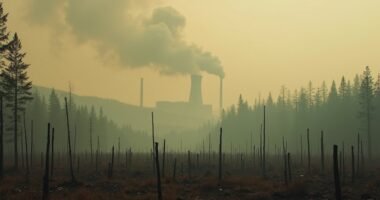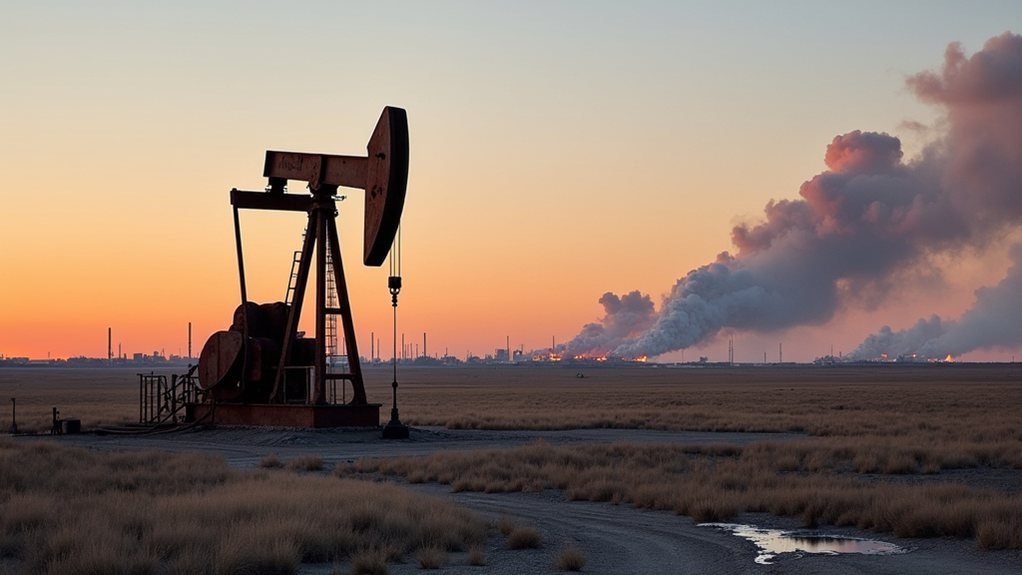

Canada’s climate tuning is hitting new notes, dropping the federal fuel charge by 2025 while cranking up the industrial carbon price volume. Alberta’s oil tunes are swaying critics, with emissions caps caught in a dance-off. The oil industry’s smiling like a kid with extra cookies, even as job numbers dip like the stock market on a bad day. Will these changes lead to a cleaner crescendo or just more noise? Stick around for the encore.
Quick Overview
- Canada plans to remove the federal fuel charge by April 2025, impacting climate regulations.
- Alberta’s oil and gas sector benefits from relaxed constraints on climate regulations and increased production.
- Emission caps and methane regulations have stalled, affecting Canada’s climate goals.
- Alberta anticipates economic gains, despite job losses and uncertainties in renewable energy investments.
- Canada risks heading towards a 4°C increase due to insufficient emissions intensity reductions.
Recent Policy Changes in Canada’s Climate Legislation
In a surprising twist akin to a plot in a suspense novel, Canada has rolled back some of its climate policies, shaking up the landscape like an unexpected storm.
The federal fuel charge, or consumer carbon tax, is set for removal in April 2025. While industrial carbon pricing persists, rising to $170 per tonne by 2030, household and small business fuels see a reprieve. The Clean Electricity Regulations, finalized in December 2024, aim for a net-zero electricity grid by 2050, though their effectiveness may vary due to provincial variability in energy production. Exploring strategies to cut carbon could provide guidance on effective methods to counterbalance such policy shifts. A discotheque of progress stalled—emissions caps and methane regulations wait for their cue. Zero-emission vehicle mandates hit pause, testing their brakes just ahead of ambitious targets. Canada’s continued support for oil/gas infrastructure, including major LNG projects, remains a contentious issue as it contrasts sharply with international climate goals.
Canada’s clean electricity goals shuffle schedules, chasing net-zero before the lights blink out.
Implications for Alberta’s Oil and Gas Industry
Imagine a world where Alberta’s oil and gas industry breathes a sigh of relief, free from the constraints of stringent climate regulations. This newfound freedom offers a ticket to economic resurgence by releasing more black gold. Royalties promise to fatten GDP, albeit with a side of debt-induced indigestion. Pipelines become Canada’s new straws, sucking up opportunities from rising natural gas demands. Yet, jobs do a disappearing act—falling 43% per barrel against production’s rise. As oil prices tango, fluctuating a dollar up or down, Alberta’s revenue dances to a $1.35 billion tune. Despite these changes, the renewable energy sector in Alberta faces ongoing policy uncertainty, causing estimated losses of $84 million from canceled projects. In response to declining oil and gas revenues, the budget plays the deficit blues. Meanwhile, understanding the distinction between mitigation vs. adaptation becomes crucial as Canada navigates its evolving approach to climate policy.
Environmental Concerns and Canada’s Climate Goals
Alberta’s oil boom might be sending cheers through industry halls, but Canada’s climate goals tell a different, more tangled tale. Picture Canada’s climate to-do list as a marathon—one where our runners forgot their sneakers. The target is clear: a 40-45% reduction in emissions by 2030. Yet, current policies have Canada running at a 4°C track, not the ideal 2°C. This setting is less ‘Olympic glory’ and more ‘lost their way’. Industrial carbon pricing and other green strategies are key players, but with pauses, pitfalls, and policy potholes, they might only coach us to a ‘nice try’ finish line. To effectively measure progress, organizations may need to navigate various sustainability reporting frameworks which provide guidelines on how to track and report emissions. Despite commitments for a 40% reduction in GHG emissions below 2005 levels by 2030, the challenge remains significant, as previous reductions in emissions intensity from 2001 to 2022 were only 32%. Achieving net-zero emissions by 2050 is essential for ensuring a safe and livable world for future generations.