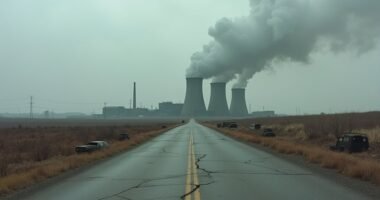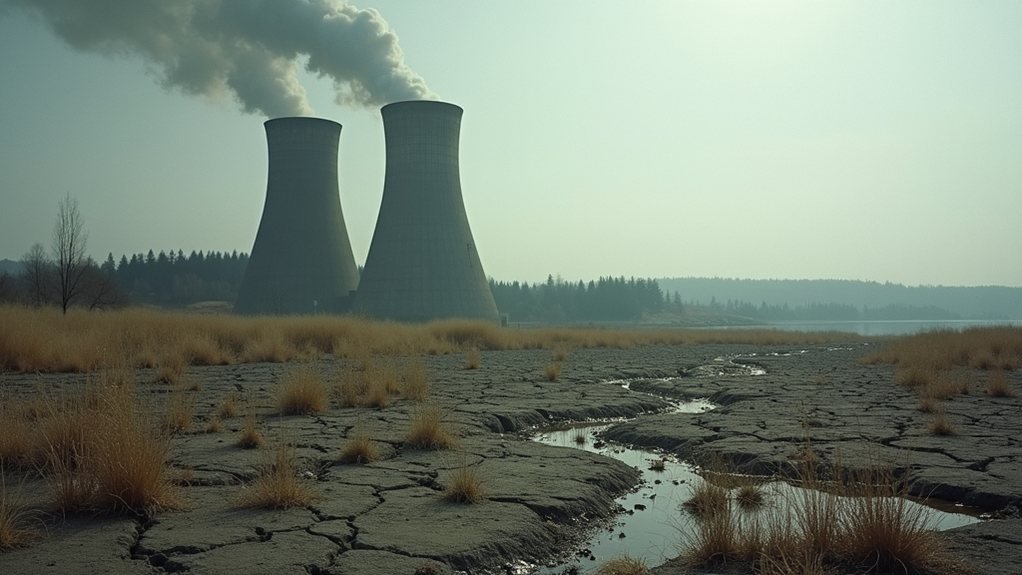

The EPA’s rollback of the Mercury and Air Toxics Standards feels like taking the seatbelt off while speeding on a highway. With mercury emissions likened to neurotoxic confetti, this move particularly risks exposing children and mothers-to-be to heightened health hazards. The rollback eases compliance like letting students grade their own exams—inviting mischief. Public health advocates are responding with the fervor of eco-warriors. Curious about the full drama affecting our planet’s health? Let’s keep rolling.
Quick Overview
- The EPA rollback reduces coal plants’ compliance with the Mercury Air Toxics Standards (MATS), affecting public health protections.
- Senior citizens, pregnant individuals, and children face heightened health risks due to increased mercury emissions.
- Continuous emissions monitoring requirements for power plants have been eliminated, decreasing oversight.
- The rollback risks reversing a 90% reduction in toxic pollutants like mercury achieved under previous standards.
- Public health and environmental organizations oppose the rollback, citing increased mercury exposure and ecological impact concerns.
Health and Environmental Risks of Reverting MATS
In the tug-of-war of environmental policy, the EPA’s rollback of coal pollution standards feels like an unexpected drop of the rope.
Vulnerable populations now face a greater exposure to mercury—nature’s mischievous neurotoxin rightfully feared by parents. This rollback jeopardizes the brain development of children and fetuses, putting stressed families on edge. Stronger emissions standards are essential for safeguarding American health against threats from increased mercury emissions. Harnessing nature can be a key strategy in addressing the environmental challenges posed by elevated pollution levels.
Seniors, who might have thought they’d earned performance-free golden years, now face heightened health risks. As for pregnant people? Their respiratory systems, already working overtime, now face tougher tests. The rollback of key protections, which were initially implemented to reduce emissions, signals a step back in safeguarding public health.
Communities once shielded by 2024 standards now stare down increased harms, exacerbating already fragile health and worsening pre-existing conditions.
Changes in Emissions Monitoring and Compliance Flexibility
When it comes to changes in emissions monitoring and compliance flexibility, some would say the EPA’s recent decisions are like swinging open the gates of a regulatory zoo. By eliminating continuous emissions monitoring, power plants get to shed those pesky real-time reports that used to keep pollution in check. Think of it like removing the referee from sports—less oversight, more chaos. Meanwhile, reverting to 2012 standards gifts a hearty reprieve to coal plants that prefer the lighter touch. Compliance flexibility can be easily manipulated to create a facade of environmental responsibility, giving the appearance of sustainability without substantial change. Compliance flexibility? It’s like giving a hall pass in emissions school—students (or power plants) can now skip the stringent class for detention-free days. The rollback of these standards undermines decades of progress in reducing air pollutants like mercury, which had been minimized by 90% under the previous standards. State officials have expressed concern that these relaxed regulations could increase the public’s exposure to hazardous pollutants like mercury, posing serious risks to health and the environment.
Public and Institutional Reactions to the EPA Rollback
Although the Environmental Protection Agency’s (EPA) rollback on coal pollution standards could be dubbed a raging party for polluters, it’s received a chilly reception from public health and environmental groups dancing to a different tune.
The American Public Health Association (APHA) passionately denounced the rollback, likening it to pulling the plug on essential health safeguards. The rollback allows for increased emissions of mercury, a potent neurotoxin, and heavy metals that pose serious health risks. With the repeal affecting updated limits on mercury and air toxics, the expected emissions reductions of 1,000 pounds of mercury and 770 tons of fine particulate matter (PM2.5) are now in jeopardy. Understanding the impact requires estimating the ecological footprint of increased pollution on both human health and the environment.
Meanwhile, Earthjustice is on the legal offensive, suing over exemptions granted to coal plants. With mercury emissions rising like an unwanted encore, public health advocates warn of a grim future.
Even the former EPA scientist chimed in, equating the move to medicine’s opposite: harm-inducing folly.