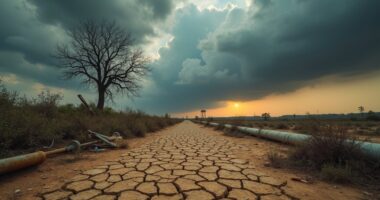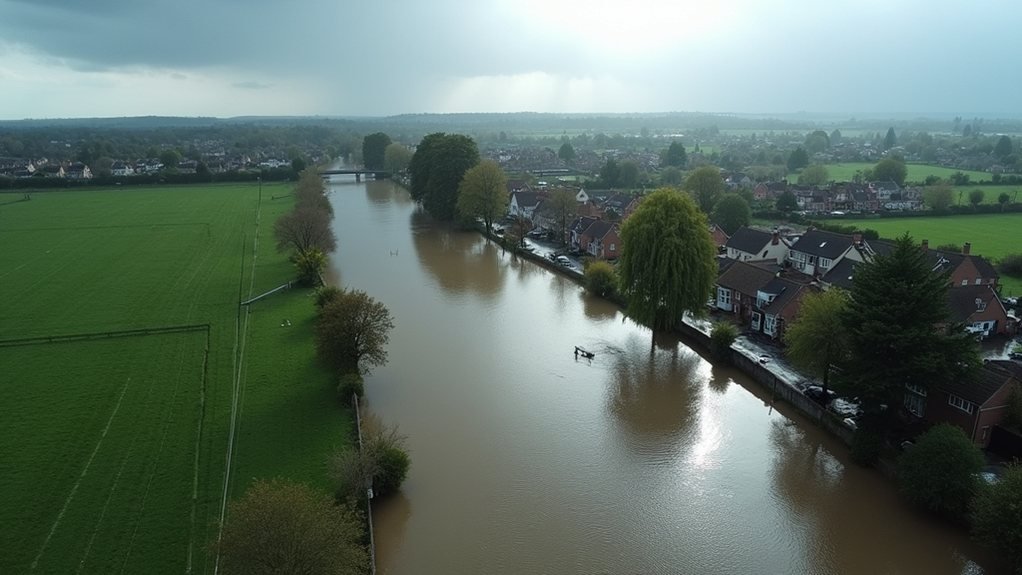
The UK is facing its worst flooding in over a decade, courtesy of Storm Chandra‘s relentless downpour. Areas like Bermondsey and Old Southwark are nearly all at risk, while 2.4 million properties nationwide are classified as high-risk. Residents are urged to brace for possible evacuations and to stay updated through the Environment Agency. It’s a serious situation, but staying informed and prepared can make all the difference—like having an umbrella on a rainy day! Want to know more?
Quick Overview
- The UK is currently experiencing severe flooding due to Storm Chandra, with extensive damage reported across multiple regions.
- More than 2.4 million properties are classified as high-risk, with areas like Bermondsey and Old Southwark facing critical threats.
- Residents are advised to prepare for potential evacuations and have emergency plans in place, including evacuation routes.
- Community drop-in sessions are available for residents to receive flood advice and support during this crisis.
- Long-term flood mitigation strategies emphasize improved water management and protecting vulnerable areas to enhance community resilience.
What You Need to Know About the Current Flooding Crisis in the UK
As the sun rises over the saturated fields of Somerset, the UK finds itself grappling with a flooding crisis that has turned not just roads but whole communities into waterways.
With five flood warnings and eleven alerts active, the situation remains precarious. Heavy rainfall from Storm Chandra has left the ground thoroughly waterlogged, creating a recipe for disaster with even minor additional rain. Residents are particularly urged to prepare for potential evacuation as flooding of homes is possible in several areas. In response to the crisis, community drop-ins for flood advice are being held to support residents.
While river levels are stabilizing, the risk of flooding persists, especially with higher tides hindering drainage. Residents are advised to stay updated via the Environment Agency and prepare for lingering impacts, as flood management continues across the region. improved water management practices help communities prepare for and respond to such events.
Key Areas and Communities Most Affected by Flooding
While many parts of the UK are currently facing a deluge, certain communities are bearing the brunt of the flooding crisis with alarming intensity. In England, Bermondsey and Old Southwark are particularly precarious, with 90.4% of buildings at risk of abandonment. Nearby, Boston and Skegness also face dire challenges, with 89.9% at risk. Kingston upon Hull is a hotspot, where multiple constituencies rank high for flood vulnerability. 2.4 million properties are currently classified as high-risk across the country, highlighting the urgent need for intervention. The situation underscores the crucial importance of watershed protection and land management practices that reduce flood peaks and safeguard water quality for affected communities Protecting Watersheds for Clean Water and Healthy Ecosystems. In Wales, Newport East and Cardiff South are forecasted to see significant risks by 2050. As storm clouds gather, these regions are in the crosshairs of nature’s unpredictable fury.
How to Prepare for Flood Risks in Your Area
When residents understand the potential flood risks in their area, they can take proactive steps to protect themselves and their property, somewhat like preparing for an unexpected guest—one who might just bring a tidal wave instead of a casserole. Utilizing tools from the Environment Agency, they can assess local flood risks and sign up for alerts. An emergency plan is vital, including evacuation routes and pet provisions. Furthermore, they should be aware of the Flood and Coastal Erosion Risk Management (FCERM) strategies aimed at reducing flood risks in England. Assembling a flood kit with essentials like food, water, and first aid supplies is wise. Additionally, residents should explore flood protection measures for their property and guarantee they have adequate insurance coverage. Staying informed about the RFG service can provide timely updates on heightened flood risks in their area. The Environment Agency provides guidance and sign-up options to monitor local flood risks and alerts.