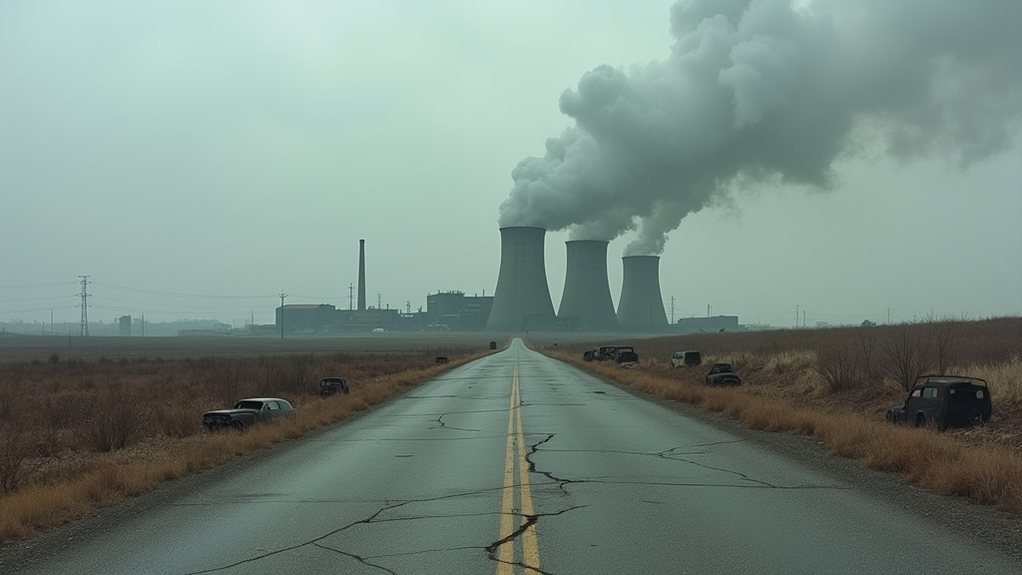

The Trump administration’s environmental rollbacks threw a wrench into climate progress, much like someone flipping a switch off at a concert. They slashed EPA regulations and overlooked air quality, risking health for everyone—especially vulnerable groups like babies. Renewable energy projects lie stalled, while fossil fuel permits are on the rise, creating chaos for investors. Vehicle and power plant standards took a hit too, leading to more fuel consumption and emissions. Curious about the ripple effects? There’s more to explore.
Quick Overview
- The Trump administration’s EPA rollbacks significantly undermined climate progress by eliminating critical air quality regulations and references to climate change.
- Over 22 gigawatts of renewable energy projects were stalled or canceled, impeding clean energy development for millions of homes.
- Rollbacks of vehicle and power plant standards could lead to increased emissions and higher fuel costs for families.
- Vulnerable populations face heightened health risks due to increased pollution from the dismantling of environmental protections.
- The overall trajectory of climate progress is jeopardized by conflicting regulatory changes and uncertainty in the energy market.
Impact of EPA Rollbacks on Climate Progress
As the Trump administration rolled back numerous Environmental Protection Agency (EPA) regulations, the impact on climate progress became starkly evident, much like a magician revealing their secrets—only this trick was less about pulling rabbits from hats and more about pulling the rug out from under environmental protections.
The EPA stripped climate change references from its communications and aimed to dismantle essential air quality regulations. Without these safeguards, industries could pollute freely, much like kids let loose in a candy store. The rollback of these standards could lead to increased pollution and heightened health risks for vulnerable populations, including babies and fetuses. Additionally, the EPA’s plans to repeal the 2009 endangerment finding regarding greenhouse gas emissions further undermines efforts to combat climate change.
The elimination of these critical standards threatens both public health and the environment, leaving future generations to deal with the messy aftermath.
A deeper look into how natural systems can help buffer such shocks reveals that protecting wetlands, restoring forests, and investing in green infrastructure can provide resilience against climate-driven extremes and improve water quality, offering a practical pathway alongside policy safeguards. natural systems can play a complementary role in moderating pollution, supporting healthier communities, and maintaining ecosystem services that communities rely on daily.
Consequences of Renewable Energy Restrictions
Renewable energy restrictions have taken quite a toll on the landscape of clean power, with significant consequences that could leave even the most optimistic climate advocate feeling a bit deflated.
Over 22 gigawatts of potential wind and solar projects have been canceled or stalled, enough to power 16.5 million homes. Federal oil and gas permits have surged, contrasting with renewable project delays, contributing to an electricity crisis in the U.S. due to rising demand and stalled renewable projects. Furthermore, the cancellation of significant projects has created uncertainty for developers and investors alike.
Meanwhile, offshore wind initiatives have come to a screeching halt due to vague national security claims.
With federal permits bottlenecked, developers face a frustrating game of waiting while fossil fuels get the green light.
The result? An electricity affordability crisis that’s about as welcome as a rainy day at a picnic.
What’s Next for Vehicle and Power Plant Standards?
With the ink barely dry on the Trump administration’s rollbacks of vehicle and power plant standards, questions swirl about what lies ahead for America’s emissions landscape.
The administration’s changes, like a chef tossing out the recipe, aim to align regulations with market realities, but risks abound. Automakers, while cheering for affordability, face potential litigation and instability, leaving families bracing for higher fuel costs. The proposed rollback could result in over 200 billion additional gallons of gasoline consumed, further straining household budgets. Furthermore, the rollback targets the Corporate Average Fuel Economy standards, which critics argue will exacerbate environmental challenges.
Meanwhile, the rollback could inflate emissions by billions of metric tons—imagine adding smog to your morning coffee. As the EPA reconsiders the Clean Trucks Plan, the future remains a tangled traffic jam of conflicting interests and uncertain environmental impacts.