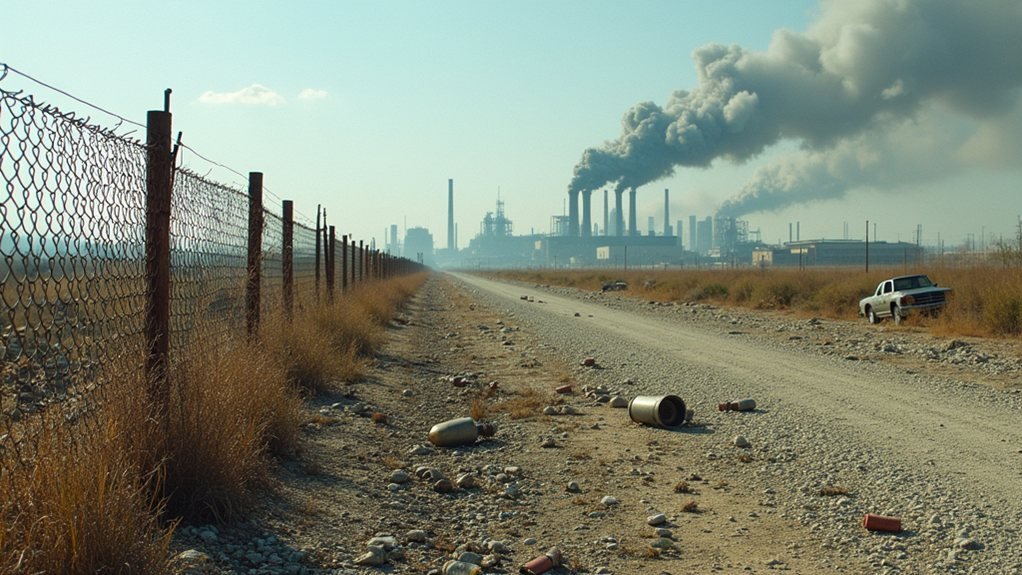

The Trump administration’s approach to climate policy can be described as a “rollback rampage.” Over 100 environmental rules were reversed, prioritizing fossil fuel expansion and economic growth while sidelining essential protections. The U.S. withdrawal from the Paris Agreement further isolated the country from global climate efforts. With weakened regulations on emissions and reduced support for renewable energy, the current trajectory raises eyebrows about the future of environmental accountability. Curious about the specifics? There’s more to explore!
Quick Overview
- The Trump administration reversed over 100 environmental regulations, significantly weakening protections against climate change and pollution.
- Withdrawal from the Paris Agreement halted U.S. climate commitments, undermining international cooperation on climate action.
- The Clean Power Plan was replaced with a less stringent alternative, prioritizing fossil fuel expansion over renewable energy initiatives.
- Deregulatory actions, including weakened emissions standards and reduced EPA staffing, prioritized short-term economic growth over long-term environmental sustainability.
- Businesses struggled to align with Sustainable Development Goals as environmental protections were rolled back, raising concerns about the future of climate initiatives.
Overview of U.S. Climate Policy Under the Trump Administration
How did U.S. climate policy take such a sharp turn during the Trump Administration? The answer lies in a flurry of regulatory rollbacks, where over 100 environmental rules were reversed, and the Clean Power Plan was swapped for a weaker alternative.
With a focus on “energy dominance,” Trump championed fossil fuel expansion, approving projects like the Keystone XL Pipeline. Additionally, the administration’s rollback of methane emission regulations for oil and gas facilities aimed to stimulate economic growth at the expense of environmental protections.
Trump’s “energy dominance” agenda prioritized fossil fuel growth, exemplified by the approval of the controversial Keystone XL Pipeline.
Meanwhile, renewable energy initiatives faced sharp cuts, halting investments and terminating essential programs. A shift toward reducing carbon regulations often prioritized short-term economic objectives over long-term decarbonization goals.
The EPA, once a guardian of environmental health, was weakened and stripped of critical climate science.
All these moves painted a stark picture of a nation retreating from climate progress, reflecting a broader trend of U.S. climate policy that undermined international cooperation.
How the Paris Agreement Withdrawals Impacted Climate Policy
The announcement of the U.S. withdrawal from the Paris Agreement marked a seismic shift in climate policy, reminiscent of a rollercoaster ride where the initial thrill quickly turns into a stomach-churning drop. By ceasing financial commitments and ending binding climate obligations, the Trump administration prioritized fossil fuels over collective global action. This move not only halted the U.S. from submitting nationally determined contributions (NDCs) but also stripped it of crucial voting rights within the Paris framework. Additionally, the administration aimed to limit US financial contributions to climate change mitigation efforts globally, further undermining international collaboration. This decision was part of a broader strategy to cease funding for entities advancing globalist agendas, which further exacerbated concerns about the future of climate initiatives. While some states heroically continued their climate initiatives, the withdrawal raised fears about the future of international cooperation, leaving the planet gasping for breath. Businesses and organizations were forced to reassess how their operations aligned with the Sustainable Development Goals, measuring private-sector contributions to global climate objectives.
What Environmental Rules Did the Trump Administration Change?
While many people might have hoped for a greener future, the Trump administration’s changes to environmental rules felt more like a jarring U-turn on a scenic drive through a lush forest.
Key regulations saw dramatic rollbacks, such as the proposed overturning of the Clean Power Plant Rule, weakening vehicle emissions standards, and redefining waterways under the Clean Water Act. The administration also sought to narrow reporting and transparency by targeting federal greenhouse gas reporting requirements.
The EPA even invited power plants to apply for exemptions from mercury limits, a toxic pollutant. Significant staffing reductions planned, potentially affecting enforcement and research, further compounded the challenges for environmental protection. The administration’s actions, including proposed elimination of the Greenhouse Gas Reporting Program, showcased its commitment to undermining climate accountability.
With over 30 deregulatory actions, the administration’s approach resembled a bulldozer clearing the way for industry, leaving environmental protections in the dust.