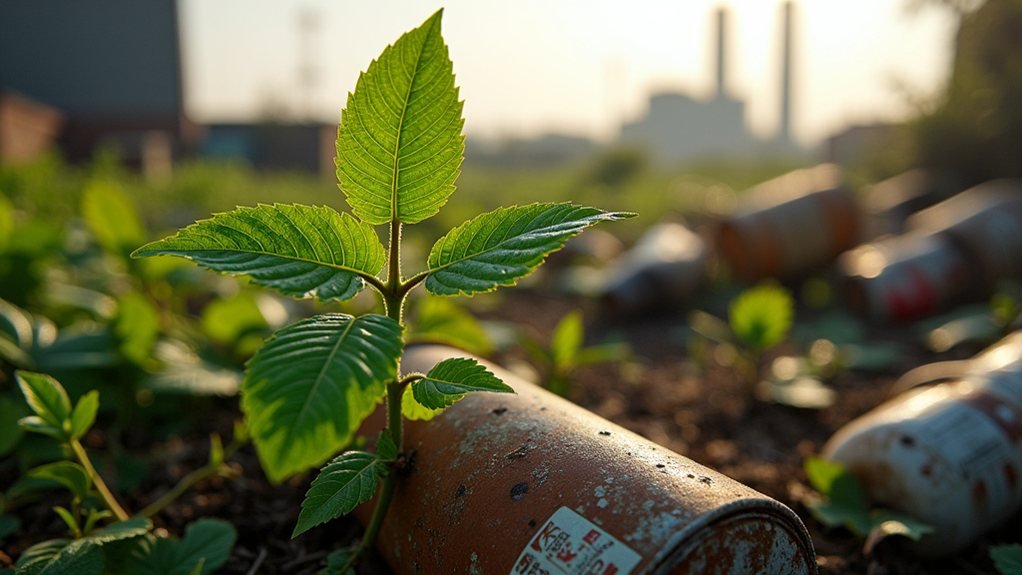

Canada is ramping up its fight against toxic substances with updated regulations. The new rules ban chemicals like Dechlorane Plus and PFOA, which hang around in the environment like uninvited guests at a party. Businesses need to pivot quickly, swapping out harmful substances for safer alternatives, while keeping detailed records—think of it as environmental bookkeeping. This marks a significant leap towards protecting both people and ecosystems. Curious about what’s next? There’s plenty more to uncover!
Quick Overview
- Canada’s new regulations replace the 2012 version, focusing on reducing harmful chemicals in the environment and enhancing public health safety.
- Key substances like Dechlorane Plus and Decabromodiphenyl Ethane will face bans by June 30, 2026, to mitigate ecosystem threats.
- Stricter rules on PFAS compounds, including PFOS and PFOA, promote safer alternatives in consumer products.
- Companies must apply for time-limited permits and maintain detailed bilingual records for compliance with the new regulations.
- The regulations support the adoption of green chemistry practices and emphasize the importance of environmental safety and ecosystem rehabilitation.
Overview of Canada’s New Toxic Substance Regulations
As Canada gears up for a significant overhaul of its toxic substance regulations, one might say it’s like preparing for a grand feast—except instead of turkey and mashed potatoes, the country is dishing out a robust new framework aimed at reducing harmful chemicals in the environment. The Prohibition of Certain Toxic Substances Regulations, 2025, set to replace the outdated 2012 version, align Canada with international commitments standards. With stricter rules on substances like PFOS and PFOA, along with new prohibitions on materials like Dechlorane Plus, the regulations promise a cleaner, safer environment. It’s a significant step toward a healthier future, one regulation at a time, as the regulations also tighten controls on PFAS. The updated framework also emphasizes site rehabilitation practices to restore ecosystems affected by contamination.
Key Prohibited Substances and Their Impacts
Canada’s upcoming regulations are not just a step forward; they are a giant leap into the future of environmental safety.
Key substances like Dechlorane Plus and Decabromodiphenyl Ethane, notorious for their persistence and bioaccumulation, will face bans by June 30, 2026. These chemicals, often found in electronics and textiles, pose long-term threats to ecosystems. Additionally, the regulations include time-limited exemptions that allow industries to transition to safer alternatives while maintaining safety and performance standards.
Meanwhile, Perfluorooctane Sulfonate and Perfluorooctanoic Acid, part of the infamous PFAS group, are also under stricter scrutiny. Think of them as environmental party crashers—persistent, toxic, and not leaving anytime soon. The new bans are part of Canada’s crackdown that aims to clear the guest list for a healthier future. The move encourages broader adoption of safer chemical choices across everyday consumer products.
How to Comply With Canada’s New Toxic Substance Regulations
Steering through the new landscape of Canada’s toxic substance regulations may feel like trying to find your way through a dense forest without a map; however, with the right strategies, companies can successfully chart their course. Organizations must act swiftly, applying for time-limited permits within 30 days of the regulations taking effect. This means evaluating supply chains and identifying alternatives to harmful substances like Dechlorane Plus. Additionally, the regulations introduce record-keeping is essential; businesses should maintain detailed, bilingual records for five years. With proper planning and testing, compliance can be achieved, turning a regulatory maze into a clear path forward for sustainable practices. Companies should note that compliance preparation is recommended before October 2025 to ensure a smooth transition to the new regulations. Consider conducting a lifecycle assessment to identify environmental impacts across product stages and prioritize effective substitution options, such as materials assessment.