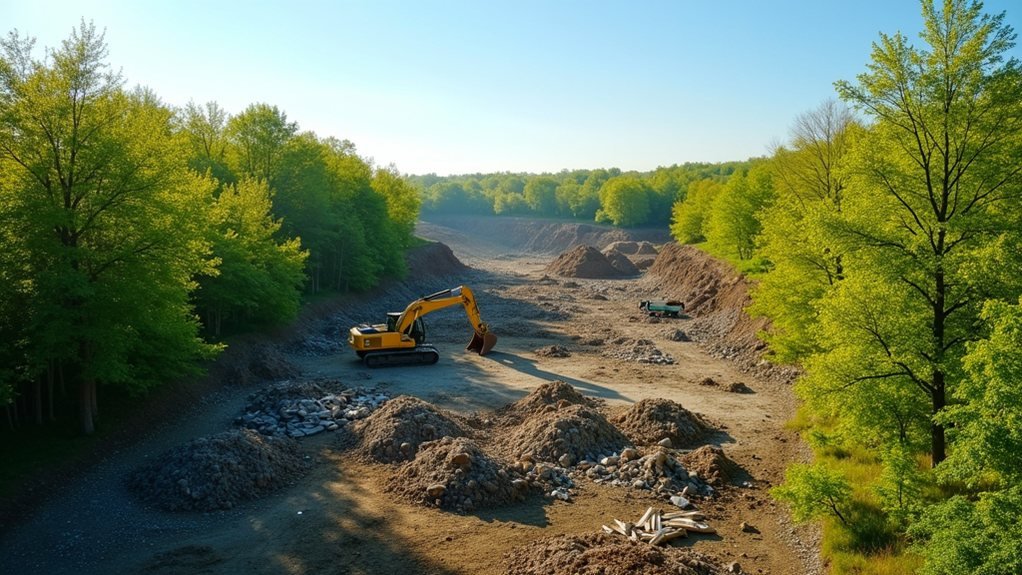

Ford’s Bill 5 is like a bulldozer tearing through Ontario’s Greenbelt protections, favoring housing developers over nature’s needs. This legislation opens the door to bulldozing wetlands and eroding vital farmland, all while throwing endangered species under the bus. With over 30,000 people rallying against it, there’s a growing outcry for accountability and action. The stakes are high as our agricultural lands and precious ecosystems hang in the balance. Curious about the future landscape? There’s much more to explore.
Quick Overview
- Bill 5 significantly weakens Greenbelt protections, allowing unchecked development that threatens natural ecosystems and biodiversity.
- The repeal of the Endangered Species Act increases risks for vulnerable wildlife, further endangering Ontario’s ecological balance.
- Daily loss of 319 acres of farmland to development underscores the urgent threat to agricultural lands and food security.
- Public opposition is strong, with over 30,000 signatures and widespread rallies demanding accountability from the government regarding Bill 5.
- The introduction of Special Economic Zones raises concerns about prioritizing housing developers over environmental sustainability and community consent.
The Erosion of Greenbelt Protections
As the dust settles from the whirlwind of Bill 5, one of the most concerning outcomes is the significant erosion of Greenbelt protections, which, like a trusty umbrella in a rainstorm, once shielded valuable ecosystems from the encroachment of development.
The erosion of Greenbelt protections leaves ecosystems vulnerable, stripping away crucial safeguards against rampant development.
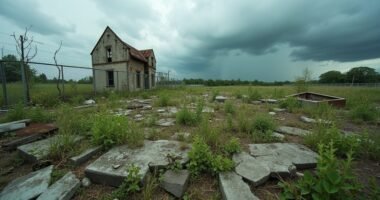
This legislation turns the dial down on rules safeguarding endangered species and natural heritage sites. With the repeal of the Endangered Species Act, vulnerable wildlife faces dire risks. The new powers allow for bulldozing wetlands without assessments, effectively rolling out the red carpet for development while tossing clean air and water protection out the window. This approach directly contradicts sustainable forest management principles that balance resource use with biodiversity conservation. Additionally, the increased powers of the Minister allow for expedited project approvals, which may lead to even more rapid ecological degradation. Moreover, the bill weakens protections for endangered species and opens the door for further exploitation of Ontario’s natural resources. A true recipe for ecological disaster!
Implications for Agricultural Lands and Natural Resources
The landscape of Ontario’s agricultural lands and natural resources is undergoing a seismic shift, and not in a good way.
With 319 acres of farmland lost daily, the removal of 7,400 acres from the Greenbelt threatens essential Class 1–3 prime agricultural land. This land, critical for crops and livestock, faces climate change risks and fragmented ecosystems. Experts warn that by 2050, increased temperatures are expected to significantly reduce productivity for key crops in Ontario. The current loss rate of farmland is unsustainable, raising urgent concerns about the future of Ontario’s agricultural capacity.
These agricultural lands also play a vital role in maintaining water security through natural filtration and groundwater recharge processes. Proposed highways and special economic zones add pressure, jeopardizing water quality and biodiversity. As farmers grapple with uncertainty and weakened protections, the sweet taste of local produce may soon be overshadowed by the bitter reality of lost farmland and ecological degradation.
Public Opposition and the Call for Accountability
How does one measure the pulse of public sentiment when it comes to controversial legislation like Bill 5? The reaction has been nothing short of resounding.
Over 100 organizations, including Indigenous leaders and environmental advocates, signed a letter opposing Bill 5’s drastic changes. Within days, 30,000 signatures flooded in, reflecting widespread dissent. Effective ecosystem rehabilitation methods could restore these natural areas if they’re protected from development now.
Over 100 organizations united against Bill 5, gathering 30,000 signatures in days to express widespread dissent.
Rallies erupted at Queen’s Park, with Indigenous leaders demanding accountability. Legal challenges loomed, emphasizing a lack of consent for Indigenous Peoples. Critics warn of unchecked powers and environmental chaos, as Bill 5 grants provincial ministers the ability to declare Special Economic Zones anywhere in Ontario. As Ontario Nature’s Tony Morris noted, unity is key—mobilization could match the fervor of the Greenbelt reversal. With the bill’s elimination of environmental assessments for certain mining projects, the potential for significant environmental degradation has intensified concerns among advocates and communities alike.