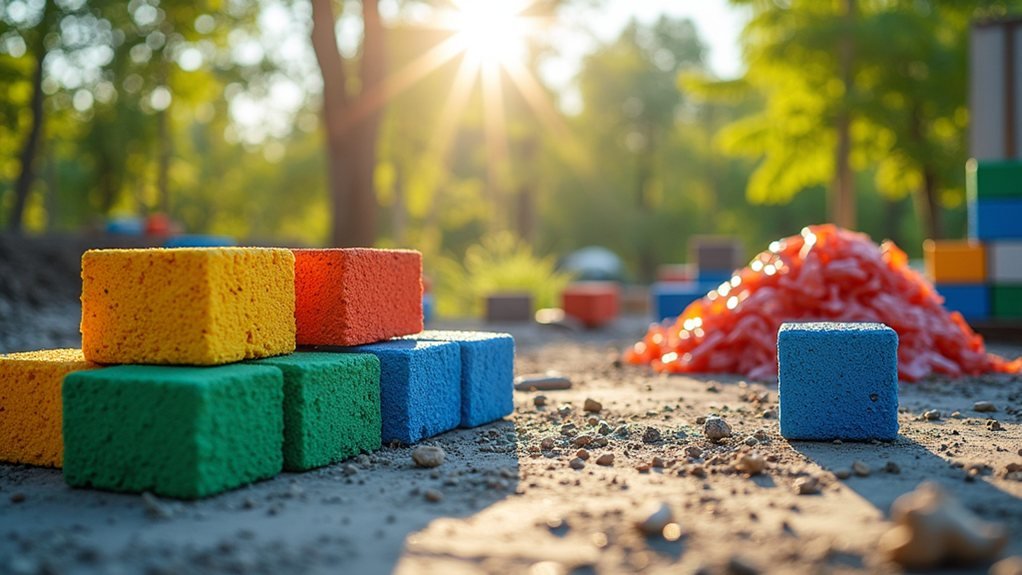

B.C.’s Construction Plastics Initiative is creating a buzz by turning plastic waste from construction sites into valuable resources, marking a significant win for the circular economy. This program captures nearly 80% of construction’s clean plastic packaging, using innovative collection and processing methods like mechanical and chemical recycling. Local firms are joining the cause, finding clever ways to save materials and cut carbon footprints. Curious about how these efforts are reshaping the construction landscape? Stay tuned for more insights!
Quick Overview
- Light House’s Construction Plastics Initiative in B.C. aims to upcycle construction plastic waste and promote a circular economy.
- Innovative recycling methods, including mechanical and chemical processes, are revitalizing plastic materials from construction sites.
- Major companies like Diringer & Scheidel and Multiplex are actively participating in reducing plastic waste through recycled materials and sustainable practices.
- The construction sector’s shift towards circular economy strategies is projected to save costs and reduce environmental impact significantly.
- Collaboration among contractors in B.C. is essential for successful repurposing of plastics, making eco-friendly practices economically viable.
The Construction Plastics Initiative: A Game Changer for Metro Vancouver
In a bold move that could redefine construction practices in Metro Vancouver, a groundbreaking initiative is taking shape—think of it as the superhero of sustainable building.
A transformative initiative in Metro Vancouver is set to revolutionize sustainable construction practices for a greener future.
Launched in 2024 by Light House, this pilot program aims to capture and upcycle construction site plastic waste. Not only does it endeavor to assess and repurpose plastics, but it also champions the local industry, showcasing the benefits of a circular economy. This approach demonstrates how continuous reuse eliminates waste by reimagining how materials flow through our economic systems. With participation from major contractors on notable projects, the initiative promises to reduce material use and embodied carbon, making construction greener—one plastic pellet at a time. Approximately 80% of plastic waste from construction activities is clean packaging, who knew waste could be so valuable? This initiative aims to divert the 52% of plastic packaging waste in Canada generated from industrial, commercial, and institutional sources.
Transforming Plastic Waste: Innovative Collection and Processing Methods
While the challenge of plastic waste might seem intimidating, innovative collection and processing methods are emerging as the superheroes of the recycling world. Mechanical recycling, for instance, is like a gym for plastic, pumping new life into old materials, while advanced techniques like chemical recycling are the secret sauce that can turn stubborn plastics into reusable treasures. However, the collection of construction plastics can feel like herding cats—complex and often chaotic. With better cooperation and selective collection strategies, the recycling landscape can shift dramatically, reducing landfill use and leaving a lighter carbon footprint. In fact, only 15% of plastic waste is collected for recycling, highlighting the urgent need for improved practices. Additionally, C&D waste in EU-15 is estimated at 180 million tonnes/year, emphasizing the scale of the challenge. Embracing conscious consumption habits can significantly reduce waste generation before it even enters the construction stream. It’s a win-win for both the planet and our wallets!
Leading the Way: Industry Participation and Circular Economy Applications
The construction industry is stepping up to the plate in the battle against plastic waste, proving that sustainability can be both practical and profitable.
Companies like Diringer & Scheidel are using recycled plastic to save tons of concrete and CO2 emissions, while Multiplex’s “7:5:3” plan tackles single-use plastics like a pro.
Diringer & Scheidel is turning recycled plastic into concrete savings, while Multiplex’s “7:5:3” plan tackles single-use plastics effortlessly.
Mace is not only reducing plastic waste but also cleaning up beaches—talk about multitasking! Plastic consumption in construction has prompted many firms to rethink their approach to materials and waste management. These initiatives help address the environmental consequences of plastic pollution while creating sustainable building solutions. With the U.S. Circular Economy Materials in Construction market projected to reach USD 27.8 billion by 2034, it’s clear that repurposing plastic isn’t just a trend; it’s a crucial strategy that’s both eco-friendly and economically savvy.
Who knew saving the planet could be so chic?








1 comment
u