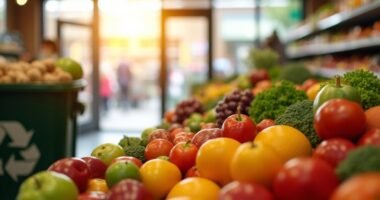
Regenerative agriculture is trending as a smart solution to secure food supplies while tackling environmental issues. By building healthy soil through practices like no-till farming and cover cropping, it helps capture carbon and supports biodiversity. Not only can farmers boost profits and create more jobs, but they also increase resilience to climate shocks. With consumers enthusiastic for chemical-free, nutrient-rich crops, it’s clear this sustainable approach is more than just a trend—it may be the future of farming. Curious about its impact?
The Rise of Regenerative Agriculture
What if the key to a sustainable future for our planet lies beneath our feet? This isn’t just a whimsical thought—it’s a reality that’s sprouting with the rise of regenerative agriculture. Picture a world where farming isn’t just about what’s on your plate but also about healing the Earth.
Regenerative agriculture, with its carbon-sequestering practices like no-till farming and cover cropping, could offset up to 10% of global CO2 emissions. That’s like magically removing a billion cars from the road—talk about a traffic jam of good news! In addition, healthy soil supports biodiversity and acts as a carbon sink, trapping atmospheric CO2.
Regenerative agriculture could offset 10% of global CO2 emissions—like taking a billion cars off the road!
But the benefits don’t stop there. This innovative approach to farming not only boosts soil health but also restores degraded lands. By enhancing soil fertility and increasing biodiversity—yes, even the worms get a shout-out—farmers cultivate nutrient-dense, chemical-free crops that improve food quality. Think of it as nature’s way of giving a gentle nudge to the industrial agriculture system that often leaves soils tired and depleted. Additionally, regenerative practices lead to improved resilience against pests, drought, and floods, contributing to long-term agricultural stability.
Economically speaking, regenerative practices are a win-win. Farmers can see profit margins surge by 20-30%, all while cutting input costs by up to half. It’s like finding a hidden stash of cash in your gardening gloves!
And here’s a kicker: these methods create 32% more jobs per farm compared to conventional practices. Who knew farming could be such a bustling hub of activity?
As climate change continues to challenge our food systems, regenerative agriculture offers resilience against extreme weather, ensuring that farms can withstand whatever Mother Nature throws their way. These methods minimize environmental impact while maintaining productivity for future generations.
Technology plays its part too, with AI and digital tools optimizing practices, while blockchain lets farmers cash in on carbon credits.
In a world where 89% of consumers are willing to pay more for sustainably produced food, it seems regenerative agriculture is not just trending; it’s paving the way for a healthier planet—and tastier meals. Who wouldn’t want a slice of that pie?