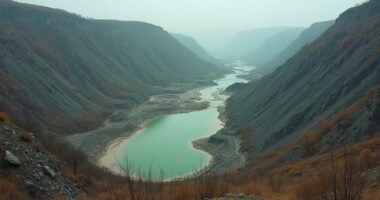
In June 2024, a heap leach pad landslide at the Eagle Gold Mine in Yukon shook things up, spilling contaminants like cyanide and mercury into nearby Haggart Creek. Wildlife and local fisheries took a hit as mercury levels soared, with methyl mercury—nature’s sneaky little bioaccumulator—making things worse. Regulatory checks were clearly on vacation, leading to a court-ordered cleanup initiative. Want to know how this mess is being fixed and what could prevent it in the future?
Quick Overview
- The June 2024 heap leach pad landslide at the Eagle Gold Mine led to significant mercury contamination in Haggart Creek.
- Mercury levels exceeded water quality objectives downstream, posing risks to wildlife and ecosystems.
- Methyl mercury, a harmful bioaccumulator, was detected, raising long-term ecological concerns.
- Regulatory failures, including neglect of safety berms, contributed to the contamination spread without adequate monitoring.
- Cleanup efforts are under court-ordered receivership, emphasizing the need for accountability and improved future safeguards.
Immediate Aftermath of the Eagle Gold Mine Spill
When the heap leach pad at the Eagle Gold Mine in Yukon experienced a landslide in June 2024, it was as if a ticking time bomb had finally gone off, sending shockwaves through the local environment and raising alarms across the region.
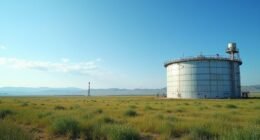
Victoria Gold quickly confirmed the incident, suspending operations without injuries but leaving a puzzling mess. Their immediate focus turned to damage control, with a repurposed water treatment plant scrambling to contain cyanide. Major contaminants from the disaster include cyanide, cobalt, and mercury, posing significant risks to both the environment and community health. Tests downstream of Eagle Gold Mine show concerning mercury levels have raised additional concerns about the contamination’s impact on local wildlife and ecosystems.
The environmental consequences mirror broader issues seen with plastic pollution, where toxic substances persist in ecosystems long after their release.
To add to the drama, a court-ordered receivership stepped in for cleanup, highlighting the mine’s urgent need for accountability amidst a rising tide of environmental concerns.
Regulatory Failures in Mining and Future Safeguards
The Eagle Gold Mine incident has cast a glaring spotlight on the regulatory landscape governing mining operations in Yukon, revealing a series of failures that could make even the most seasoned environmental watchdog cringe.
The Yukon Water Board’s oversight faltered, with safety berms neglected and contamination spreading like gossip at a family reunion. Despite mercury and cyanide levels exceeding limits, the government’s monitoring response seemed more reactive than proactive. Comprehensive environmental impact assessments could have identified these potential risks before project implementation, potentially preventing the disaster altogether. Ongoing updates provided by the government highlight that environmental monitoring is crucial in addressing the spill’s impacts. Additionally, elevated mercury levels found at various sampling sites underscore the urgent need for stringent regulatory measures.
Future safeguards, like increased groundwater monitoring and stability assessments, are critical, but let’s hope they aren’t just fancy band-aids on a much deeper wound. After all, prevention is better than a cleanup crew!
Key Findings on Mercury Levels in Haggart Creek
Recent findings reveal troubling levels of mercury lurking in Haggart Creek, raising eyebrows and alarm bells alike. Total mercury levels exceeded water quality objectives at multiple monitoring sites, particularly three kilometers downstream from the Eagle Gold mine. For the first time, methyl mercury, a notorious bioaccumulator, appeared in samples, posing serious risks to fish and wildlife. With cyanide and cobalt levels also on the rise, the situation grows dire. While immediate human health risks are minimal, the long-term ecological impact, especially on salmon and grayling fisheries, warrants urgent attention. Clearly, Haggart Creek’s health is hanging by a thread. The government’s monitoring efforts aim to assess the ongoing environmental impact of the mine and ensure public safety. Understanding the full lifecycle impact of mining operations is critical for preventing similar environmental disasters in the future. Furthermore, recent groundwater samples at the Eagle Gold mine show high cyanide levels, contributing to the alarming situation.