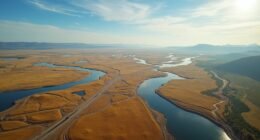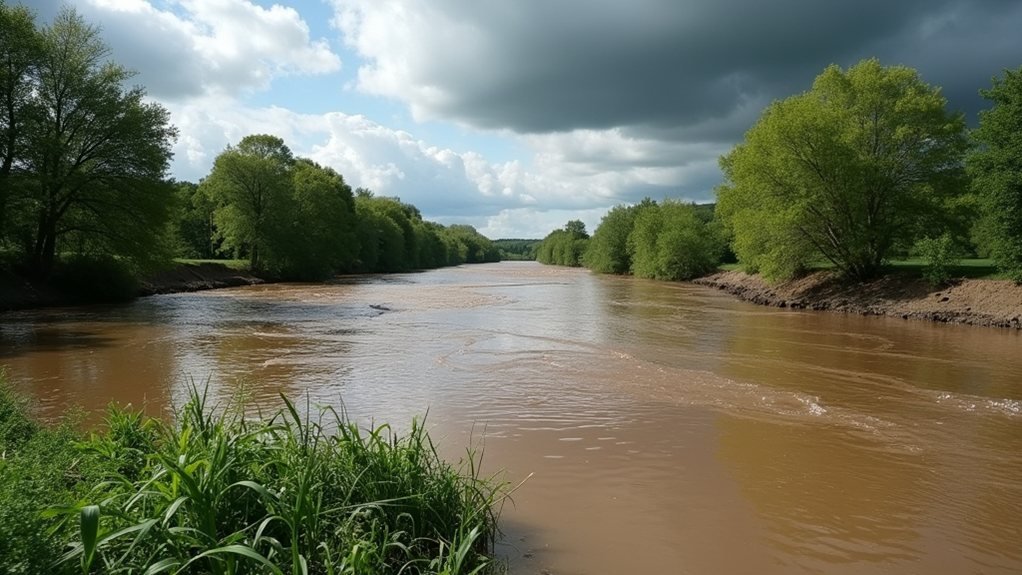

Wales is grappling with a serious climate crisis, where flood risks and polluted rivers are becoming uncomfortably common. With one in seven properties in flooding danger, and rising pollution levels making rivers look more like “science experiments,” the situation is critical. Increased rainfall and rising temperatures are the culprits, causing algae blooms and muddy waters. But all is not lost! Innovative strategies and community collaboration offer hope for restoring Wales’s waterways. Discover how these efforts can make a difference!
Quick Overview
- Climate change in Wales increases flooding risks, with 275,000 properties currently threatened by rivers and sea water.
- Rising temperatures and altered precipitation patterns lead to intensified river pollution and ecosystem degradation.
- Heavy rainfall exacerbates water contamination with fertilizers, resulting in algal blooms and reduced water quality.
- Collaborative efforts among regulators, farmers, and communities are essential to combat pollution and manage flood risks effectively.
- Strategic governance and new technologies, like bubble barriers, can transform polluted waterways into healthier ecosystems.
Flooding Risks Linked to Climate Change in Wales
As climate change continues to reshape our world, it’s becoming increasingly clear that Wales is not immune to its impacts, particularly when it comes to flooding risks.
Currently, about 275,000 properties, or one in seven, face threats from rivers, sea, and surface water. By 2120, an additional 112,000 properties may join the ranks of the flood-prone, thanks to rising sea levels and more intense rainfall. The expectation of rising flood risk as extreme rainfall events become more frequent adds urgency to our preparations. This includes ongoing investment of £47 million from the Welsh Government for flood risk management activities.
With winter storms becoming a regular guest at the party, Wales must prepare for these aquatic interruptions. After all, who wants to swap their living room for a swimming pool, even if it sounds fun? A growing focus is also being placed on sustainable water management to reduce long-term impacts and improve resilience.
How Climate Change Contributes to River Pollution
While many may envision a pristine river flowing through a picturesque landscape, the reality is often quite different, especially in the age of climate change.
Rising temperatures lead to reduced snowpack, leaving rivers thirsty and more concentrated with pollutants. Droughts diminish water levels, making it hard to dilute harmful substances like pharmaceuticals. Changes in precipitation patterns and warmer temperatures will also increase evaporation from reservoirs, further straining our water resources. Additionally, the incidence of TN pollution is sensitive to temperature increases, highlighting the intricate relationship between climate change and water quality. Natural features like rain gardens can help capture and filter runoff before it reaches waterways.
Conversely, heavy rains wash in fertilizers and waste, turning rivers into muddy messes. Algal blooms thrive in warmer waters, robbing fish of oxygen and creating “dead zones.”
As precipitation patterns shift, ecosystems struggle, leaving us with rivers that are far from the idyllic scenes we once dreamed of.
Practical Steps to Address Water Pollution and Flooding?
Tackling water pollution and flooding might seem like trying to tame a wild river, but there are practical steps that can be taken to restore balance.
A strategic approach involving regulators, farmers, and environmental groups helps manage nutrients effectively. Think of it as a team effort, like a band where everyone plays their part. Recently, a new action plan was agreed upon at the River Pollution Summit to tackle phosphorus pollution. Implementing technologies like bubble barriers and remote monitoring keeps silt in check and pollution at bay. Meanwhile, creating riparian buffer strips is like giving rivers a protective hug. Notably, pollution control measures such as flow diversion channels have proven effective in reducing total suspended solids during in-river activities. Protecting the surrounding land is essential to maintaining water quality, which is why watershed protection measures are so important.
With coordinated governance, Wales can transform its waterways from polluted to pristine—just like a good makeover!