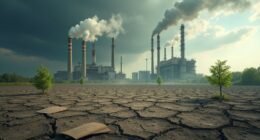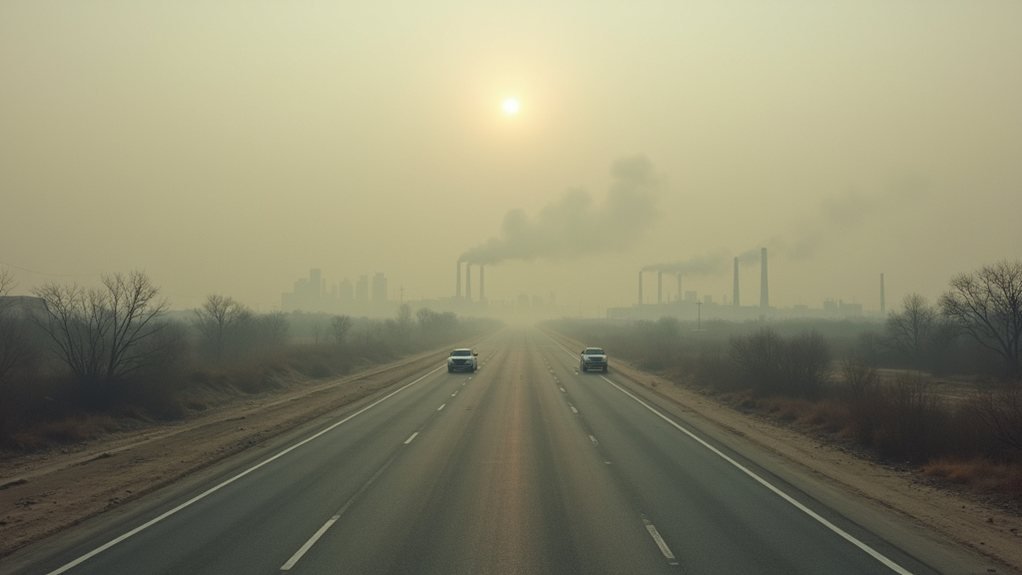

The Trump administration’s repeal of federal greenhouse gas emission standards is stirring up quite a cocktail of regulatory chaos and potential climate shifts. With emissions set to rise by 10% over 30 years, we’re looking at a future where the air might have more bite than a jalapeño. Businesses flounder amid a “regulatory Wild West,” while public health possibly faces steeper hills to climb. Curious about the intricate dance of economics, environment, and legislation? There’s more to uncover.
Quick Overview
- The EPA repeal predicts a 10% rise in greenhouse gases over the next 30 years.
- Economic analysis projects $1.3 trillion savings from the repeal, versus $1.5 trillion in regulatory costs.
- States develop individual standards post-repeal, increasing regulatory complexity and uncertainty.
- Increased vehicle and power plant emissions pose significant public health and air quality risks.
- Legal disputes may escalate to the Supreme Court due to the repeal’s contentious nature.
Breaking Down What the EPA’s Repeal Means for You
Imagine waking up one morning to find that the rules of the road have radically changed overnight. With the repeal of federal greenhouse gas emission standards, chaos ensues. This significant deregulatory action is part of a broader effort by the administration to eliminate federal climate regulations, arguing a lack of statutory authority for such measures. As the emissions equivalent of a nation, the transportation sector now faces an unclear path. States scramble like caffeine-fueled drivers at rush hour, creating their own regulations in a regulatory Wild West. The result? Legal battles racing into the Supreme Court, leaving long-term investments stranded like deer in headlights. Some measurement methods provide critical insights into the impact of such deregulations on greenhouse gas levels. While some find loopholes large enough to drive a truck through, greenhouse gas accountability stalls in neutral, threatening environmental progress with a 7 percent discount rate skid.
Economic and Regulatory Fallout
As we wade into the murky waters of economic and regulatory fallout, it becomes clear that the repeal of federal greenhouse gas emission standards is more than just a bureaucratic shuffle—it’s a seismic policy shift with ripple effects across the financial and environmental sectors. The creation of eco-friendly products is critical in minimizing the adverse effects of such policy changes. Imagine a game of Jenga where each regulation removed makes the tower wobble. Some claim $1.3 trillion in savings, a tidy sum unless you factor in the $1.5 trillion costs—kind of like buying a yacht and forgetting upkeep costs. The elimination of the 2009 Greenhouse Gas Endangerment Finding raises questions about long-term effects on both the economy and the climate. In the absence of federal standards, states now craft DIY rules, creating a regulatory jigsaw that puzzles businesses and investors. Brace for legal fireworks ahead.
How the Repeal Will Impact Air Quality and Climate
While the ink is barely dry on the Trump administration’s repeal of federal greenhouse gas standards, the potential impacts on air quality and climate loom large.
Envision this: removing tailpipes’ constraints is like inviting your car to an all-you-can-emit buffet. Despite shiny, newer rides roaming the roads, the rollback revokes incentives for eco-friendly gadgets, nudging emissions northward. The repeal not only influences vehicle emissions but also suggests a broader agenda aimed at weakening environmental standards and undermining clean air protections. Climate’s poker face might not twitch much till 2100, says the EPA, but air quality rings alarm bells now.
The release of additional pollutants such as nitrogen oxides and carbon monoxide contributes significantly to air quality deterioration, posing serious health risks. Loosened leash on power plants’ toxic treats, like mercury and arsenic, doubles down on the pollution jackpot, especially for neighborly communities already overburdened. The repeal places an additional strain on public health, exacerbating respiratory diseases and increasing risks for vulnerable populations, including children and older adults.