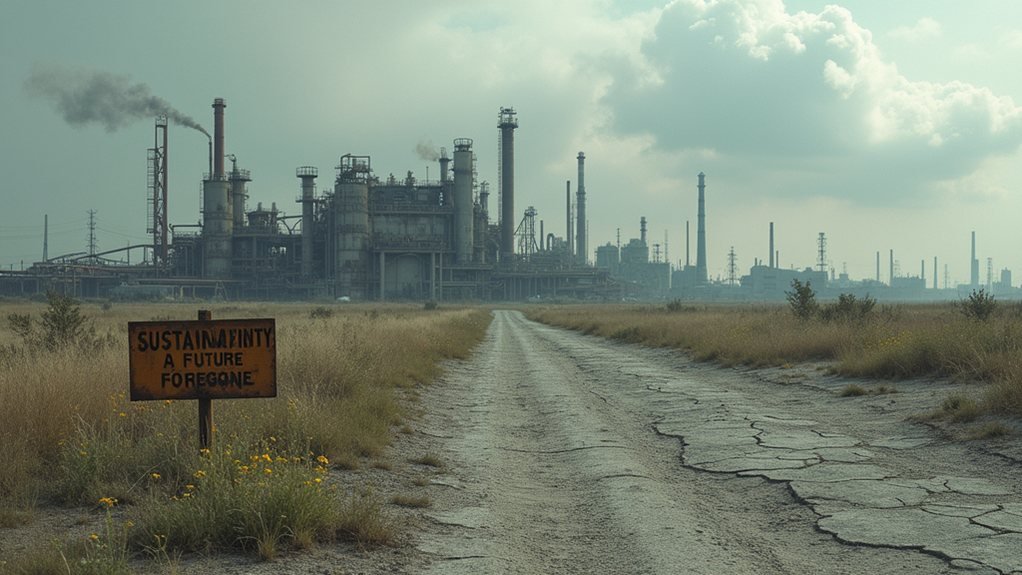

The Trump EPA’s bold move in 2026 to gut chemical safety regulations rolled back protections faster than a boulder downhill, raising eyebrows—and safety concerns—nationwide. It’s like swapping Kevlar for bubble wrap in a firefight. Workers and communities find themselves exposed, sans the shield of oversight and third-party audits. Think of it as a chemistry experiment gone awry, with citizens as guinea pigs. But fret not, a deeper dive awaits those curious about this regulatory rollercoaster.
Quick Overview
- The Trump EPA significantly weakened chemical safety regulations, impacting community and worker safety by reducing oversight and protective measures.
- Deregulatory actions prioritize industrial cost savings over environmental and human health, increasing safety risks at chemical facilities.
- Community notification and employee input are bypassed, undermining transparency and public accountability in chemical safety.
- New proposals erode existing protections, compromising risk assessment processes and increasing potential hazards in the chemical industry.
- The rollback dismantles safety nets, leading to heightened exposure to carcinogens and hazardous substances.
Why Deregulation Raises Safety Concerns
Deregulation often sounds like hitting the gas pedal while blindfolded on the safety highway, leaving experts and workers throwing up their hands in exasperation. Imagine factory workers, farmers, and hairdressers exposed to risky chemicals without warning signs, like a horror movie with the safety tape missing. In Europe, carcinogens contribute to 100,000 occupational cancer deaths annually. Reduced data requirements for fertilizers amplify risks. Safety Data Sheets (SDSs) sometimes omit essential danger signals, like ingredients on a mislabeled ketchup bottle reading “tomato,” while the real hazard lurks beneath. As EPA risk evaluations diminish, workplace safety balance seems more like a tightrope act without the net. Safer chemical ingredients are being embraced in some consumer product sectors, from cleaners to cosmetics, but deregulation threatens to undercut such efforts. Bypassing traditional processes prevents public accountability and limits oversight, further complicating the ability to respond effectively to weaken existing protections in industries dealing with hazardous substances.
Impact on Chemical Safety Regulations and Community Risks
What could possibly go wrong when regulations holding back chemical chaos are stripped away like a magician’s disappearing act? Not much—if you’re a fan of unpredictability.
Removing safer technology requirements in chemical facilities is like kicking the training wheels off a bike, but adding turbo boosters—accidents waiting to race out of control. With over 177 million Americans living near industrial chemical facilities, the risks are heightened, threatening vulnerable communities. ESG frameworks could provide a comprehensive way to evaluate these risks and hold corporations accountable for the safety of their operations.
Employee input is as welcome as a porcupine at a balloon party, while community notifications vanish faster than a rabbit in a hat. As the American Chemistry Council supports the new EPA proposal, industry voices are prioritizing cost savings over safety concerns.
Third-party audits? Gone, just like your neighbor’s solar-powered Santa display.
Result? Risks and threats ramped up faster than a jackrabbit on a skateboard.
Future Challenges in Chemical Safety and Resilience
Though the future of chemical safety seems to teeter on the edge of a tightrope, balancing on it requires nothing short of a circus act.
Picture a market as unpredictable as an overcaffeinated squirrel—with demand fluctuations, geopolitical plot twists, and a global economy more uncertain than your next meal. Rising input costs impact profitability and operational efficiency, further complicating the act. It is crucial for businesses to align their operations with sustainable development goals to ensure long-term viability and positive contributions to society. As trade policy shifts and tariffs add layers of complexity, companies must navigate these challenges with precision and agility.
Operational resilience is the backstage crew, using digital twins and AI to dodge disruptions like an acrobat ducking flaming hoops.
Evolving regulations? Ah, the ever-shifting rules of the game, where PFAS and HazCom updates tighten the ropes.
Charting this unpredictable terrain challenges even the savviest safety trapeze artists.