
Climate denial, often supported by figures like Trump, obstructs essential health measures as our planet heats up. This denial allows pollutants to thrive, worsening air quality and increasing heat-related illnesses. With about 489,000 heat-related deaths each year, the vulnerable—like seniors—are at higher risk. Plus, warmer temperatures create a mosquito paradise, spreading diseases like malaria and dengue. If this sounds alarming, it should—climate change is reshaping our health landscape in ways you might not expect.
Quick Overview
- Climate denial, including rhetoric from Trump, impedes necessary actions to combat health risks linked to rising temperatures and air quality deterioration.
- Heat-related deaths have surged, particularly among vulnerable populations, exacerbated by misinformation and lack of preventive measures.
- Increasing temperatures and erratic rainfall, driven by climate change, enhance mosquito breeding, leading to a higher incidence of diseases like malaria and dengue.
- By 2080, climate change may expose eight billion people to mosquito-borne diseases due to expanding habitats and prolonged breeding seasons.
- Addressing climate change through emission reductions and improved infrastructure is crucial for mitigating health risks associated with heat and vector-borne diseases.
The Impact of Climate Denial on Public Health
While it may seem like a distant concern, the denial of climate change is not just an abstract issue; it directly impacts public health in ways that are both alarming and tangible.
Climate denial can stall vital actions, allowing pollutants to fester and amplify health risks. For instance, when air quality deteriorates, respiratory ailments like asthma can soar—no one wants to be wheezing like a broken accordion. Moreover, the increased frequency of extreme weather events can lead to higher rates of heat-related illnesses and injuries, further straining health systems already under pressure. Additionally, estimated excess health costs in low- and middle-income countries could reach US$21 trillion by 2050, further jeopardizing public health initiatives. Furthermore, misinformation fosters confusion, leading people to overlook preventive measures. Essentially, climate denial is like ignoring a smoke alarm; it may be annoying, but the fire it signals is very real and very dangerous. The scientific consensus that greenhouse gases trap heat in the atmosphere underpins why delaying emissions reductions makes these health impacts worse.
How Climate Change Fuels Heat-Related Health Risks
Extreme heat is not just a seasonal nuisance; it’s rapidly becoming one of the most significant health challenges of our time.
With around 489,000 heat-related deaths annually, heat stress is the leading cause of weather-related fatalities. Vulnerable groups, including seniors and those with chronic conditions, face heightened risks as temperatures soar. Heat-related mortality for people over 65 increased by approximately 85% between 2000–2004 and 2017–2021, highlighting the urgent need for targeted interventions. As climate change ramps up the frequency and intensity of heat waves, the human body struggles to keep cool, leading to severe health issues like heatstroke. In fact, 37% of heat-related deaths in the past 30 years have been attributed directly to climate change.
This isn’t just hot air; it’s a boiling crisis that demands urgent attention to protect our health and well-being. Strategies to cut emissions across sectors — from cleaner electricity to energy efficiency in buildings — can reduce future heat exposure and associated health risks.
Linking Climate Change and Rising Risks of Mosquito-Borne Diseases
As the planet warms, the connection between climate change and the rise of mosquito-borne diseases becomes increasingly clear, like a puzzle slowly revealing its disturbing picture.
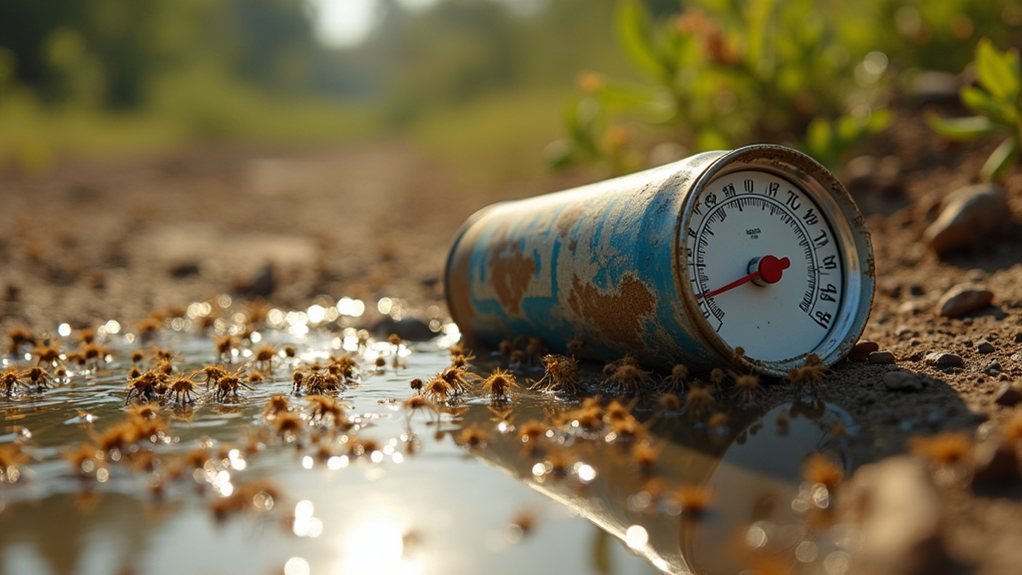
Rising temperatures and erratic rainfall create perfect breeding grounds, allowing once-innocuous mosquitoes to flourish. These little pests aren’t just annoying; they’re accelerating the spread of diseases like malaria and dengue. Warming global temperatures increase suitable breeding conditions for mosquitoes, exacerbating the issue. Furthermore, extreme weather events create favorable breeding conditions for mosquitoes, leading to an uptick in local populations.
Rising temperatures and erratic rainfall are transforming mosquitoes from nuisances into deadly spreaders of diseases like malaria and dengue.
With their habitats expanding and seasonal cycles lengthening, regions previously safe are now at risk. By 2080, an estimated eight billion people could face these threats. Sustainable water management strategies, including water conservation and infrastructure improvements, can reduce standing water that serves as mosquito breeding habitat.
It seems climate change is throwing a party, and mosquitoes are the uninvited guests nobody can ignore.