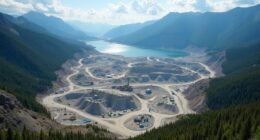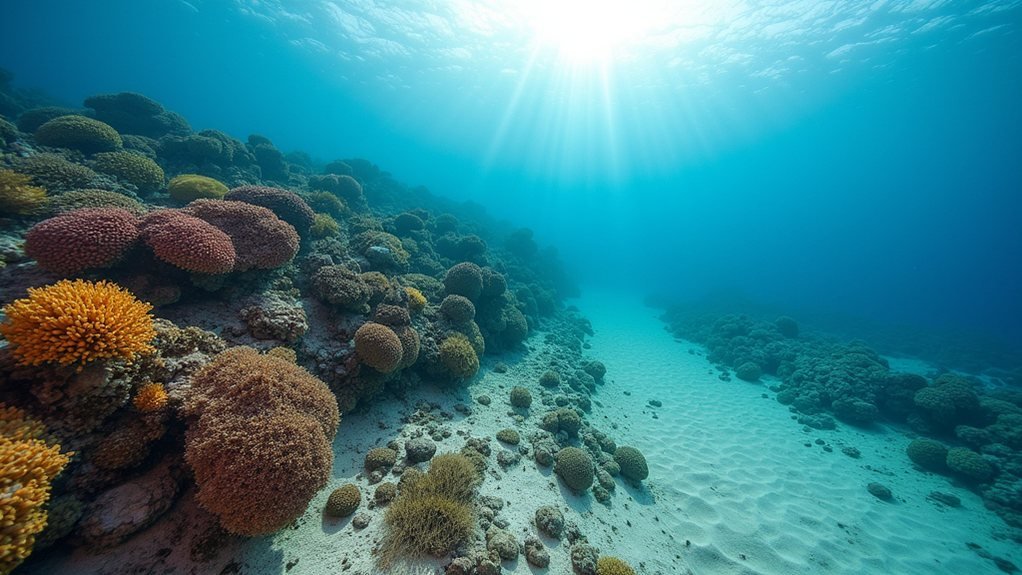

The U.S. government’s rush into deep-sea mining, fueled by the Trump administration’s critical minerals strategy, has sparked alarm among experts like OSU professors. They point out the potential disaster for marine ecosystems, akin to pulling a vital piece out of a Jenga tower. Sediment removal can smother delicate habitats, leaving marine life gasping for breath in a cloud of chaos. This push for minerals might just be a shiny lure hiding deeper pitfalls that need careful navigation. There’s much more to uncover in this intricate debate.
Quick Overview
- OSU professors emphasize the ecological risks of deep-sea mining, highlighting potential biodiversity loss and habitat degradation due to sediment removal.
- Research indicates that impacted deep-sea ecosystems may take decades to recover from mining disturbances, raising concerns about long-term environmental impacts.
- The Trump Administration’s Executive Order streamlined permits, prioritizing resource extraction but potentially neglecting thorough environmental reviews and sustainability practices.
- Noise pollution from mining operations can disrupt marine species communication and navigation, further threatening delicate deep-sea ecosystems.
- Advocacy for responsible mining practices is crucial to balance economic needs with environmental conservation, especially in light of significant mineral extraction potential.
Why the U.S. Government Is Rushing Into Deep-Sea Mining
As the world dives deeper into the complexities of resource extraction, the U.S. government is making waves in the domain of deep-sea mining, almost as if it’s on a scavenger hunt for treasure beneath the ocean’s surface. Understanding environmental impacts like a carbon footprint becomes critical in this venture.
The April 2025 Executive Order 14285 paves the way for streamlined permitting processes, signaling a rush to harness critical minerals. With a January 2026 rule revision, companies now enjoy faster approvals, akin to finding a cheat code in a video game. Consolidated license and permit applications aim to further simplify the process for applicants. Amid global debates on regulations, the U.S. seeks to lead, fueled by a blend of resource hunger and technological ambition that leaves some legal questions bubbling. Meanwhile, NOAA plans hydrographic surveys to better understand and map critical mineral deposits, which may influence future mining endeavors.
Impact of Seabed Mining on Marine Ecosystems
The impact of seabed mining on marine ecosystems resembles an uninvited guest crashing a well-planned party and wreaking havoc on the carefully arranged decorations.
By removing up to 20 cm of seafloor sediment, mining vehicles disturb delicate habitats, potentially leading to species extinction. The creation of sediment plumes smothers unsuspecting corals and sponges, creating an underwater disaster zone. Furthermore, research indicates that deep sea ecosystems can take decades to recover from such disturbances. Additionally, the detrimental impact on marine life suggests that these activities could extend tens of thousands of square kilometers, exacerbating the already fragile state of the ocean environment. Promoting sustainable ocean practices is critical to balance economic growth with the preservation of marine health.
In addition, noise pollution disorients creatures like whales, turning their oceanic communication into garbled static. As biodiversity declines and habitats vanish, the once-vibrant marine communities face irreversible loss.
Much like a party that can never be restored, the impacts of seabed mining linger for decades.
Why Research Is Crucial for Sustainable Deep-Sea Mining Practices
While it might seem tempting to dive headfirst into the lucrative world of deep-sea mining, understanding the complexities of this venture is akin to trying to bake a soufflé without knowing how to crack an egg.
Effective research is crucial to bridging existing regulatory gaps and filling baseline data deficiencies about fragile deep-sea ecosystems. Exploring effective strategies for ocean conservation can provide valuable insights into managing these environments responsibly. Long-term studies reveal that some ecosystems take decades to recover, underscoring the need for continuous monitoring and innovative mitigation strategies. The increased risks affecting marine ecosystems due to environmental risks highlight the dire importance of this research in fostering sustainable practices. Furthermore, the vast potential of deep-sea minerals, such as polymetallic nodules, suggests that responsible exploration could alleviate pressure on terrestrial resources.