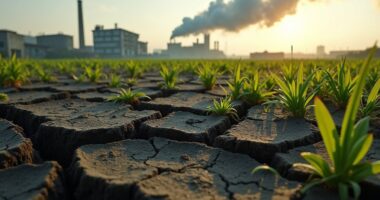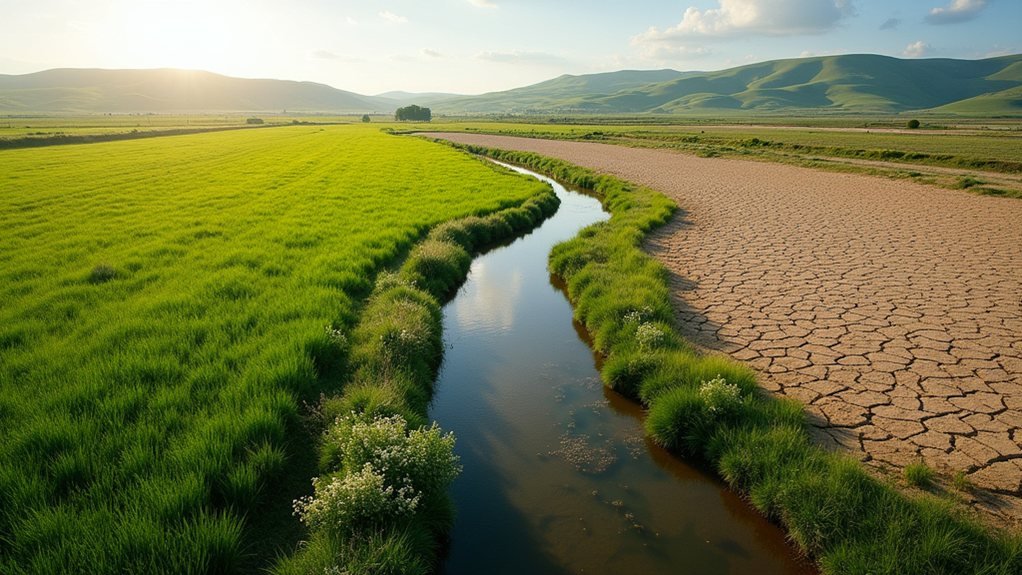

Soil degradation and declining water resources are set to shrink the UK’s GDP by 3%, signaling a serious nature crisis. Intensive farming has gobbled up organic carbon in soils, meaning they struggle to retain moisture—think of it as a sponge that’s lost its squish. As agriculture faces pressure, we must consider sustainable practices like crop rotation. If we want economic stability and a daring rescue for our ecosystems, there’s a lot more to uncover about what’s being done.
Quick Overview
- Soil degradation is projected to reduce UK GDP by 12%, highlighting its severe economic impact.
- Intensive agriculture has depleted significant organic carbon, worsening soil health and productivity.
- Water scarcity is exacerbated by soil compaction and erosion, negatively affecting crop yields.
- Healthy soils are essential for economic stability, impacting agriculture and water management.
- Sustainable farming practices can reverse soil degradation and enhance economic resilience.
The Economic Consequences of Soil Degradation
As the world grapples with the pressing issues of climate change and biodiversity loss, it’s easy to overlook a sneaky culprit lurking just beneath our feet: soil degradation.
This silent villain threatens the UK economy, with projections indicating a staggering 12% GDP reduction if the degradation persists. Chronic environmental degradation impacts GDP similarly to acute climate risks, underscoring the urgency of the issue. Approximately half of UK nature-related risks originate from overseas sources, further complicating the economic landscape.
Agriculture, the breadbasket of the nation, faces the biggest hit, while manufacturing sectors are left gasping for clean water. Implementing sustainable agriculture practices could help reverse this trend while ensuring long-term food security for future generations.
And let’s not forget the ripple effects; nature’s decline could cost more than the 2008 financial crisis.
In short, healthy soil isn’t just dirt; it’s the foundation of economic stability.
Causes of Soil Decline and Its Impact on Water Resources
Soil health isn’t just a matter of aesthetics; it’s a complex web of interactions that plays a pivotal role in water management. Intensive agriculture has stripped UK soils of 40–60% of their organic carbon, weakening their structure and water-holding capacity. Compaction from heavy machinery further restricts water movement, leading to waterlogging and drought vulnerability. Healthy soils host billions of organisms that are essential for nutrient cycling and improving plant productivity. Additionally, healthy soil acts as a natural water filter, improving river water quality and aiding flood management. Sustainable soil management practices include crop rotation, cover cropping, and reduced tillage that help preserve soil structure and biological activity. Erosion strips away the fertile topsoil, making fields less capable of retaining moisture. Meanwhile, urbanization seals soils with concrete, making them water-resistant. This cocktail of soil decline not only threatens crop yields but also exacerbates water scarcity, leaving farmers and ecosystems high and dry.
Policy Responses and Future Directions for Soil Health
While many might overlook the soil beneath their feet, it’s clear that fostering its health is crucial for a sustainable future. The UK government is stepping up with national soil health targets, aiming to track progress by 2026 and establish baselines by 2029. Through the Sustainable Farming Incentive, farmers will be rewarded for practices that boost soil vigor, like nurturing low-input grasslands. Nature restoration is essential in enhancing soil health, which in turn supports economic resilience amid supply chain disruptions. Regulatory measures are tightening, too, linking soil health with water quality. Integrating forest management practices can significantly improve soil quality and water retention while maintaining biodiversity in agricultural landscapes. With Local Nature Recovery Strategies guiding land-use planning, it seems the soil is finally getting the spotlight it so richly deserves—let’s hope it’s not just for a fleeting moment! Furthermore, the SFI has already led to the sustainable management of 800,000 hectares of arable land, demonstrating its potential impact on soil health.