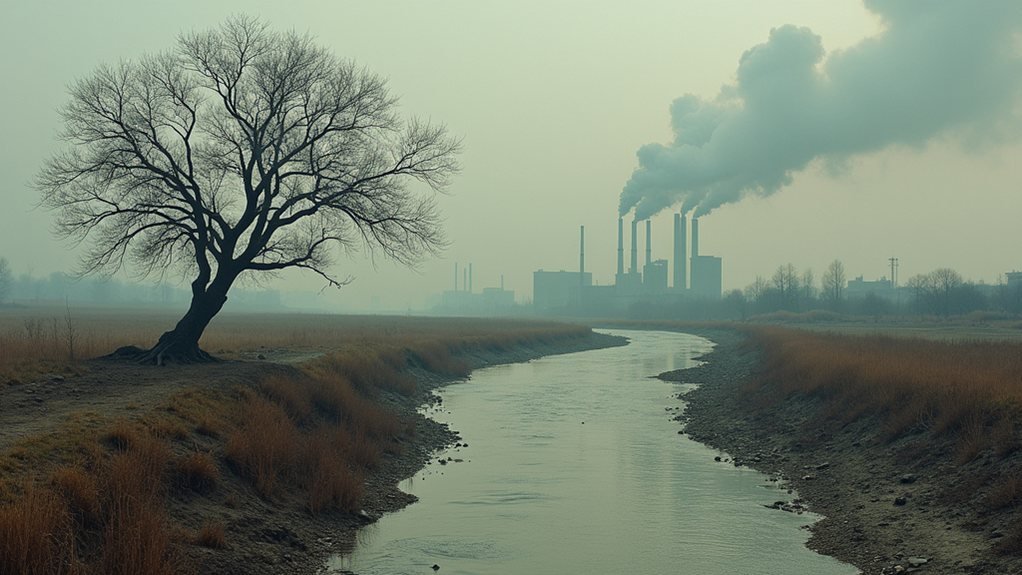

The Trump administration’s rollback of EPA regulations might sound like a cost-saving measure, but it’s a risky game of environmental Jenga. By slashing air quality standards, the air we breathe could contain more pollutants that lead to serious health issues. Water quality regulations are also loosened, letting nasty toxins creep into our drinking supplies. As the stakes rise, communities face dire consequences for their health and safety. Curious about the full impact? There’s more to uncover.
Quick Overview
- The Trump administration’s EPA rollbacks weaken air quality standards, increasing health risks and potentially leading to thousands of premature deaths annually.
- Deregulation of water quality standards raises concerns about drinking water contamination, exposing communities to toxic pollutants.
- Energy policy changes promote fossil fuel reliance, hindering clean energy initiatives and increasing greenhouse gas emissions.
- The rollback of environmental protections disproportionately affects vulnerable populations, exacerbating respiratory and health issues.
- Long-term sustainability is threatened as economic costs rise and climate resilience diminishes due to weakened regulations.
Impact of Environmental Deregulation on Air Quality Standards
As the Environmental Protection Agency (EPA) rolls back air quality standards, one can’t help but wonder if we’re taking a giant leap backward, akin to deciding to wear bell-bottoms again just because they were trendy once.
The elimination of fine particulate matter and ozone standards from health calculations is like ignoring the smoke alarm while cooking. With nitrogen oxide pollution standards slashed and mercury regulations overturned, the air could soon resemble a post-apocalyptic film set. Stricter air quality regulations have historically saved over 100,000 lives annually, but with these rollbacks, it seems we’re choosing convenience over clean air—and that’s no laughing matter. EPA regulations prevent over 100,000 deaths and millions of lost workdays annually, illustrating the significant public health benefits that are now at risk. The rollback of air quality standards could lead to increased health issues, including cancer and neurological disorders, further endangering vulnerable populations. Effective monitoring and emissions measurement are essential to detect and address pollution trends.
How Water Quality Rollbacks Affect Public Health?
How can the rollback of water quality regulations impact public health?
When safety nets are loosened, communities risk drinking water contamination without accountability. Rollbacks lead to toxic pollutants sneaking into public water supplies, heightening exposure to harmful substances. Meanwhile, the narrowing of protected waterways leaves essential lakes and rivers vulnerable, diminishing flood control and wildlife habitats. Increased pollution translates to more respiratory issues and asthma incidents, with millions facing health crises. Ultimately, these weakened rules contribute to premature deaths—30,000 annually—especially among the elderly and vulnerable. Weakened enforcement of the Safe Drinking Water Act exacerbates these risks, making it even more critical to maintain strong regulations. Furthermore, the rollback of regulations on greenhouse gas emissions can worsen air quality, further stressing public health. It’s like playing with fire while hoping for rain; the consequences can be dire. Monitoring water availability and conservation approaches are also essential to reduce stress on water systems and protect public health.
Long-Term Effects of Energy Policy Changes on Sustainability
While energy policies might seem like a dry topic best left to the bureaucrats, their long-term effects on sustainability are anything but boring.
The Trump administration’s rollbacks have fostered increased greenhouse gas emissions, with fossil fuel reliance rising like a bad sitcom character that just won’t leave. EPA regulations to limit heat-trapping pollution have been weakened or rescinded, leading to a dire situation for air quality and public health. The final rule on NOₓ emissions allows some gas plants to operate under weaker protections than those established in 2006, further exacerbating the problem.
Renewable energy projects face delays, creating a comedy of errors in clean energy deployment. The shift also undermines proven strategies for cutting carbon emissions, slowing transition timelines and reducing potential health benefits. Consumer costs skyrocket, and climate resilience crumbles, leaving communities as prepared as a squirrel in winter without nuts.
As regulations weaken, the future holds a precarious balance—like trying to juggle flaming torches while blindfolded. The stakes couldn’t be higher.