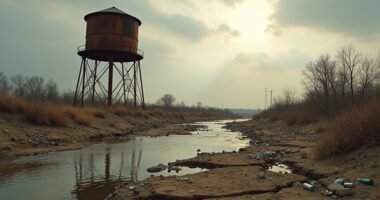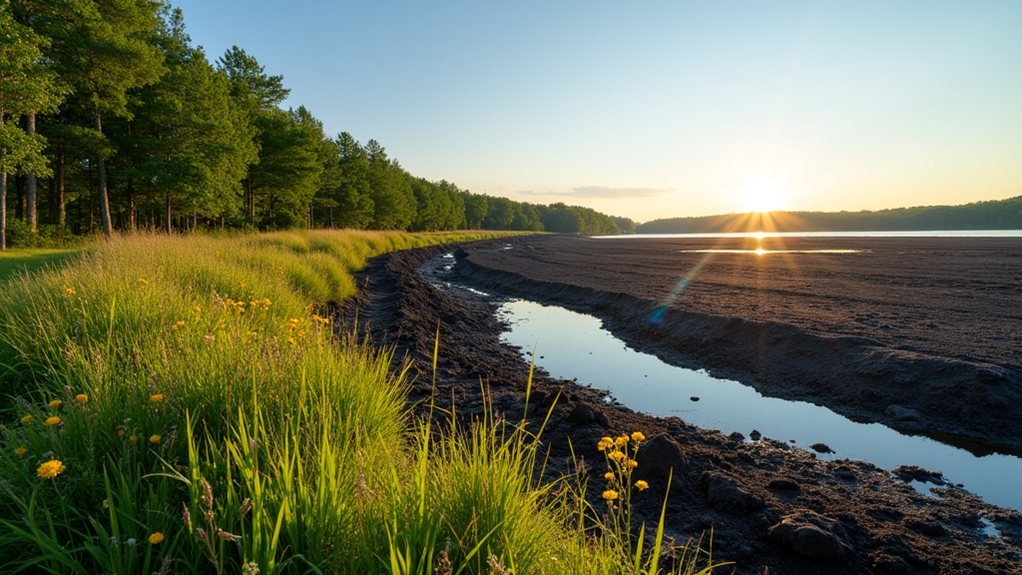

The EPA’s proposed extension for coal ash impoundment closures could keep some facilities in operation until 2029. This decision has major public health ramifications, as toxic metals like arsenic could continue to contaminate groundwater, affecting about 6 million people, including children. The ongoing issue highlights the delicate balance between maintaining energy reliability and protecting community health. If you’re curious about how to voice your opinion, there’s more to explore on commenting effectively.
Quick Overview
- The EPA has proposed extending coal ash impoundment closures until 2029, affecting certain unlined ponds over 40 acres.
- Public health concerns arise from toxic heavy metals contaminating groundwater, impacting approximately 6 million people.
- Environmental impacts include threats to biodiversity and long-term habitat degradation due to elevated contaminant levels.
- Comments on the proposed rule can be submitted until February 6, 2026, with public participation encouraged.
- A virtual hearing is scheduled for January 6, 2025, providing an opportunity for community input on coal ash management.
What You Need to Know About the EPA’s Proposed Extension for Coal Ash Impoundment Closures
As the clock ticks down to the 2026 deadline, those keeping an eye on coal ash impoundment closures might find the EPA’s proposed extension both a relief and a reason for a healthy debate.
This three-year delay affects a select few facilities with unlined coal combustion residuals ponds larger than 40 acres. While it allows continued operation of certain coal-fired plants—essentially pressing the snooze button on their retirement—it raises eyebrows about grid reliability. The extension is aimed at addressing concerns related to electric resource adequacy, as the retirement of coal-fired power plants could threaten the stability of the electric grid. This proposal also emphasizes the importance of baseload coal-fired energy in maintaining reliable power sources. Evaluating the product lifecycle impacts of coal combustion residuals remains critical to understanding the full environmental consequences of these extensions.
With a comment period and public hearing on the horizon, stakeholders are gearing up to voice their opinions. Will the extension be the lifeline or the anchor?
The Impact of the EPA’s Coal Ash Impoundment Closure Extension on Public Health
While the EPA’s extension for coal ash impoundment closures might seem like a temporary reprieve for certain facilities, it fundamentally opens a Pandora’s box of public health concerns.
With toxic heavy metals like arsenic and cadmium contaminating groundwater, the risk of cancer skyrockets, especially for those living nearby. About 6 million people, including 1.5 million children, face exposure, leading to alarming health issues like ADHD and gastrointestinal problems. Furthermore, residents near unlined wet impoundments face a 1 in 50 chance of cancer due to this ongoing contamination. Additionally, elevated contaminant levels in groundwater linked to coal ash pose significant risks to public health. Beyond human impacts, these toxic pollutants severely threaten local biodiversity by degrading natural habitats and water sources.
As if that wasn’t enough, nearly half of contaminated sites lack cleanup plans. This situation isn’t just a ticking time bomb; it’s a public health crisis waiting to explode.
How to Comment on the Proposed Rule Effectively
How can one effectively weigh in on a proposed rule that could shape the future of coal ash management?
First, submit comments at www.regulations.gov using docket ID EPA-HQ-OLEM-2025-XXXXX. Include your full name, affiliation, and contact info.
Reference specific rule sections to keep it clear—think of it as giving directions to a lost friend. The deadline is extended to February 6, 2026, so don’t rush! Additionally, it’s important to be aware that the EPA’s coal ash regulations are currently under review, which highlights the need for community input. The extension of the closure deadline to October 17, 2031 aims to support electric grid reliability.
Cite relevant data, like the DOE report, and highlight public health benefits. When addressing waste management concerns, remember that following the waste hierarchy principles can strengthen your argument for more sustainable coal ash solutions.
Finally, consider attending the virtual hearing on January 6, 2025, to make your voice heard—after all, every comment counts!