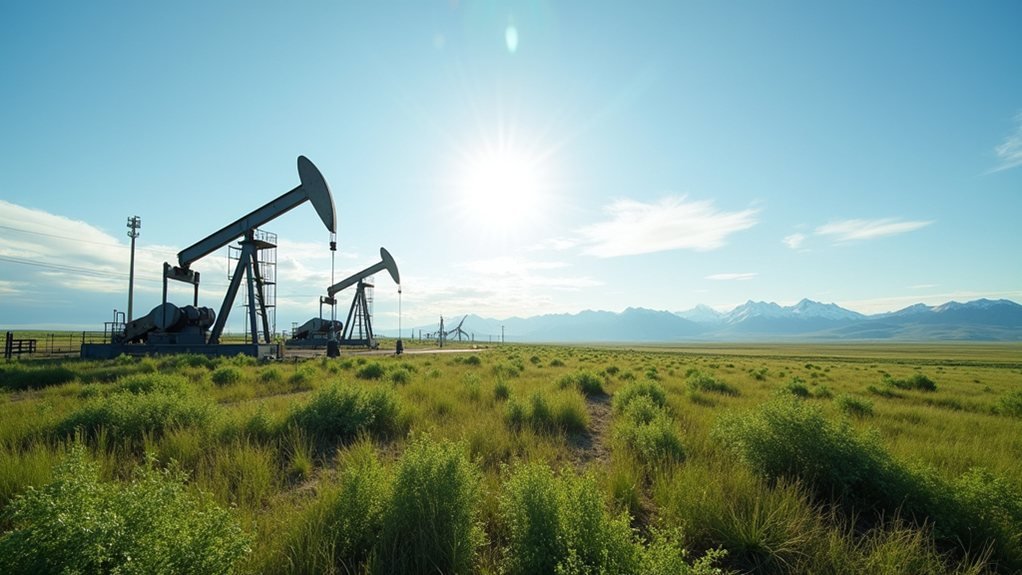

Canada is on a mission to cut methane emissions from the oil and gas sector by an impressive 75% by 2030. This ambitious goal is part of a broader effort to achieve a 35% reduction overall from 2020 levels. To meet these targets, operators must embrace leak detection technologies and regular inspections—think of it as a health check-up for the environment. Stay tuned, as there’s a lot more to unpack about these regulations and their impacts!
Quick Overview
- Canada aims for a 75% reduction in methane emissions from the oil and gas sector by 2030, from 2012 levels.
- The oil and gas industry represented 48% of Canada’s methane emissions in 2022, highlighting the sector’s significant impact.
- New regulations will require routine leak detection and repair practices to minimize methane emissions in operations.
- Compliance with these regulations is essential by 2028, with penalties for non-compliance expected to incentivize action.
- Innovative monitoring systems and phased implementations are designed to support operators in achieving reduction targets efficiently.
Understanding Canada’s Methane Reduction Targets for 2030
In the quest to tackle climate change, Canada’s ambitious methane reduction targets for 2030 are a beacon of hope—or perhaps a lighthouse, warning ships away from the rocky shores of rising emissions.
With a goal of 35% overall reduction from 2020 levels, Canada is committed to the Global Methane Pledge, aiming for a 30% cut.
The oil and gas sector, which is responsible for nearly half of methane emissions, faces a hefty 75% reduction target from 2012 levels. Additionally, the oil & gas sector accounted for 48% of methane emissions in 2022, highlighting the urgency of these initiatives. Investors play a crucial role in ensuring methane reductions through compliance strategies and capital allocation inquiries, emphasizing the importance of their engagement in this critical transition.
As provinces align with federal standards, the stakes are high, and the timeline tight, pushing for compliance by 2028. Canada is also exploring sector-specific strategies to cut emissions across industries, including energy-system changes and regulatory approaches.
Key Impacts of New Methane Regulations on Oil and Gas Operations
New methane regulations are set to reshape the landscape of oil and gas operations in Canada, and the implications are nothing short of monumental.
By 2030, routine venting will nearly vanish, and leak detection will become the norm. Companies will scramble to meet strict compliance deadlines—think of it as a high-stakes game of “Whack-a-Mole” with emissions. This shift could save over $2.2 billion CAD in wasted gas, creating approximately 34,000 new jobs. Moreover, this initiative aims for a 75% reduction in methane emissions, showcasing Canada’s commitment to addressing climate change. However, the path is fraught with regulatory hurdles, as provinces can’t opt out. Cutting methane emissions can quickly lower atmospheric concentrations, turning challenges into opportunities for innovation and growth. Supply chain evaluation methods can help operators identify environmental hotspots and prioritize mitigation across upstream and midstream activities.
Effective Strategies for Early Compliance With Methane Regulations
Steering the path to early compliance with methane regulations can feel like assembling IKEA furniture without the instructions—daunting, yet rewarding once accomplished.
Embracing both the prescriptive and performance-based pathways is key. Facilities can begin leak detection and repair early, ensuring they meet strict methane intensity limits. Regular inspections, akin to a health check-up for equipment, keep emissions in check. Furthermore, as Canada aims for a 75% reduction in methane emissions by 2030, early compliance becomes even more crucial for facilities to align with national goals. This is particularly important as the final regulations aim for a 72% reduction by 2030, slightly less than the initial target.
Additionally, adopting innovative compliance pathways can reduce costs while enhancing monitoring systems. Phased implementations and exemptions for smaller facilities ease the change, allowing operators to tackle methane emissions like seasoned pros, proving that early compliance is indeed within reach. New policies often build on broader environmental waste reduction principles to maximize overall impact.