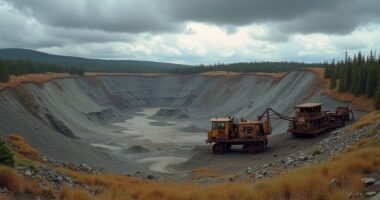
Canada’s cumulative impact assessment frameworks have a tendency to overlook the pollution effects from mining. While these frameworks aim for transparency, they mainly focus on large mining operations and neglect the smaller ones that contribute considerably to environmental degradation. Issues like air pollution from particulate matter and toxic water contamination from abandoned mines are rampant. Consequently, disadvantaged communities bear the brunt of these environmental hazards. Curious about how this affects ecosystems? There’s more to uncover on this topic.
Quick Overview
- Cumulative impact assessment frameworks in Canada often overlook critical environmental concerns, particularly from smaller mining projects.
- Federal oversight of mining pollution is limited, missing cumulative impacts from numerous small operations.
- Scoping processes for assessing mining impacts are typically reactive, lacking proactive measures to address pollution.
- Abandoned mines in Canada leach harmful metals into waterways, contributing to ongoing environmental degradation.
- Disadvantaged communities disproportionately suffer from health risks due to air and water pollution from mining activities.
Examining the Flaws in Canada’s Cumulative Impact Assessment Frameworks
While one might hope that Canada’s cumulative impact assessment frameworks would seamlessly blend various environmental concerns into a harmonious whole, the reality is more akin to a jigsaw puzzle missing several key pieces.
These frameworks often target specific sectors like mining, leaving smaller projects to slip through the cracks. With provincial regulations creating a patchwork of rules, consistency is a rare gem. The Cumulative Effects Framework aims for consistent and transparent management of cumulative effects, yet its application remains inconsistent across various sectors. This inconsistency is evident in the Impact Assessment Act which mandates the consideration of cumulative effects but often fails to be enforced across all projects.
The federal role is limited, missing cumulative effects from numerous small operations. Scoping processes are like trying to predict the weather with a broken crystal ball—uncertain and often too late for proactive measures. A more effective approach would consider the product lifecycle impacts from resource extraction through processing, use, and ultimate disposal.
The federal role falters, overlooking the cumulative impacts of countless small operations, leaving scoping processes shrouded in uncertainty.
It’s a regulatory maze begging for clarity.
How Mining Pollutes Our Air: What You Need to Know
Mining operations, often seen as the backbone of resource extraction, come with a less glamorous side: they can considerably pollute the air we breathe.
From coal mines, a staggering 42.1% of national particulate matter emissions in Australia stemmed from mining between 2008–2018. This fine dust isn’t just a nuisance; it wreaks havoc on respiratory health, especially in vulnerable communities. Community monitoring indicated that PM10 levels were significantly higher in mining areas compared to nonmining areas, further highlighting the health risks associated with these operations. Moreover, exposure to pollutants increases the likelihood of developing occupational diseases, putting workers at greater risk. These environmental burdens are often disproportionately borne by disadvantaged communities who have less access to resources for addressing environmental hazards.
Add to this the toxic metal emissions—92% of industrial mercury in the U.S. came from mining—and you have a recipe for disaster.
Impact of Water Contamination and Abandoned Mines on Ecosystems
Water contamination and the legacy of abandoned mines represent a less-than-glamorous chapter in the story of resource extraction, revealing just how deeply intertwined human activity is with our ecosystems.
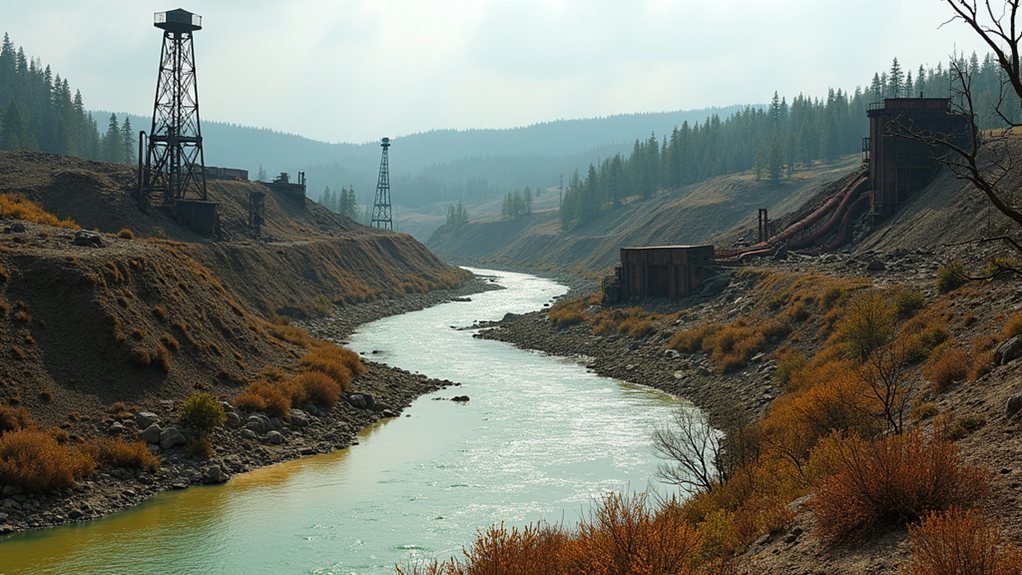
For instance, the Red Chris Mine in British Columbia spills contaminated seepage, raising toxic levels in nearby lakes and creeks. Groundwater contamination linked to tailings deposits has been an ongoing issue since mining began, exacerbating the environmental crisis. Additionally, the degradation of clean freshwater due to mining activities has profound implications for local biodiversity and ecosystem health.
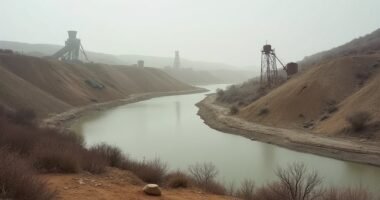
Meanwhile, over 10,000 abandoned sites across Canada, like the infamous Mount Washington mine, continue to leach harmful metals into waterways, decimating local fish populations.
With insufficient monitoring and lax regulations, these environmental impacts create a grim legacy that challenges the very fabric of aquatic ecosystems, making a splash for all the wrong reasons. Effective habitat protection strategies are urgently needed to prevent further biodiversity loss in these compromised ecosystems.