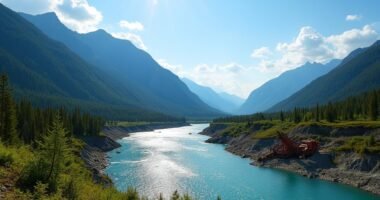

The brisk pace of mining approvals in British Columbia is raising eyebrows and red flags among First Nations. With quick green lights on projects, communities worry about their rights and the ecological well-being of their lands. For instance, the proposed pit expansion near the Similkameen River has locals anxious about potential pollution. As the government aims to address these concerns by 2026, balancing economic interests with Indigenous rights could lead to exciting developments worth exploring further.
Quick Overview
- Rapid mining approvals in B.C. may overlook First Nations’ rights, increasing tensions over consultation and consent requirements.
- Environmental concerns arise from proposed projects near sensitive areas like the Similkameen River, threatening ecological integrity and water quality.
- Legal changes, including reforms to the Mineral Tenure Act, aim to enhance Indigenous rights and promote co-management of resources.
- Proposed amendments could limit First Nations’ access to the courts, raising further concerns about their ability to protect their rights and heritage.
- By June 2026, the B.C. government plans to amend the Declaration Act, potentially integrating UNDRIP principles for better economic inclusion.
How Are Rapid Mining Approvals Affecting First Nations Rights?
In recent years, the rapid approval of mining projects has stirred the pot regarding the rights of First Nations, with tensions simmering like a pot of not-so-great soup that you accidentally left on the stove. Building resilient and sustainable approaches is essential to mitigate long-term impacts on affected communities.
The Upper and Lower Similkameen Indian Bands challenged the rushed timeline for the New Ingerbelle project’s approval, warning that this speedy approach could ruin years of trust-building. They proposed extending decision timelines to allow for proper consultation. The project, which aims to expand mining operations near Similkameen River, raises significant environmental and cultural concerns, further complicating the approval process. This situation is exacerbated by the statutory duty for the Crown to consult and collaborate with Indigenous Peoples, as outlined in the Declaration Act.
Legal pressures are mounting as decisions made without consent could undermine Indigenous rights, prompting a serious reevaluation of the relationship between mining practices and the First Nations they impact. Implementing sustainable supply chains could help balance economic development and Indigenous rights moving forward.
Specific Environmental and Consent Issues Highlighted by Similkameen First Nations
Tensions around the New Ingerbelle mining project have alerted First Nations to the specific environmental and consent issues at stake, highlighting concerns that aren’t just bureaucratic red tape but rather a matter of ecological integrity and cultural respect.
The proposed pit expansion creeps ominously close to the Similkameen River, raising pollution fears. With the province’s rush for approval, First Nations feel their voices are muffled in the din. Accusations of disregarding Indigenous input underscore the urgency. Moreover, local leaders are striving to balance the river’s health with potential economic benefits from mining, emphasizing the importance of environmental health in the decision-making process. The New Ingerbelle expansion will bring the pit within 50 meters of the Similkameen River, increasing concerns over contamination. Efforts to integrate sustainable forest management practices could help mitigate some impacts if mining proceeds.
Ultimately, the balance between economic promises and lasting environmental damage teeters precariously, as communities seek assurance that their lands and heritage won’t be sacrificed.
What Does the Future Hold for Mining in B.C. Regarding Indigenous Rights?
What will the future of mining in British Columbia look like when Indigenous rights take center stage? As legal precedents shape the game, such as the Gitxaala ruling demanding consultation before mineral claims, the landscape is evolving. These changes underscore the importance of addressing how environmental benefits and burdens affect Indigenous communities.
With the Mineral Tenure Act reform pushing for co-management and incorporating Indigenous knowledge, mining could become a collaborative endeavor. However, proposed amendments raising concerns about limiting First Nations’ access for court access add uncertainty. Additionally, the B.C. government plans to amend the Declaration Act by June 2026, which may impact Indigenous rights and responsibilities in mining practices.
Ultimately, embracing principles from UNDRIP will likely enhance economic certainty while ensuring Indigenous voices are heard. It’s a balancing act, but one that promises a more inclusive mining future in B.C.