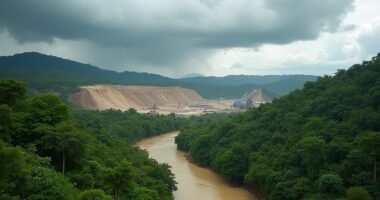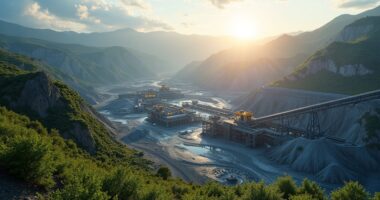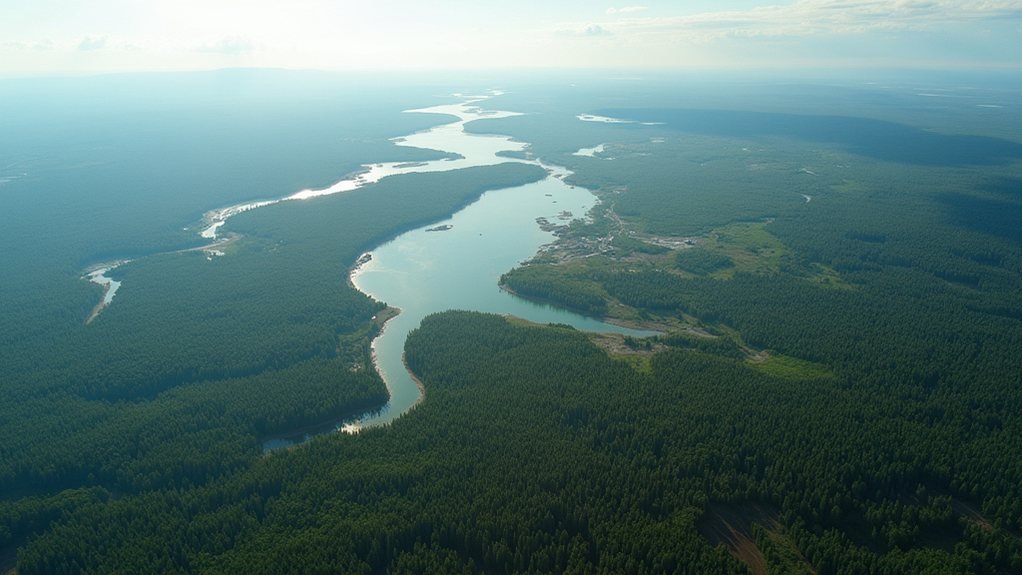

The Ring of Fire Mine in Ontario recently cleared a major regulatory hurdle, advancing despite protests from some First Nations. While it promises economic growth, with projected GDP boosts and job creation, concerns about environmental impacts and consultation rights remain. It’s like juggling flame-throwers while dancing on a tightrope; thrilling but risky. The mine’s target production year is 2027, setting the stage for continued debate among stakeholders. What’s next in this unfolding drama? Stick around to find out!
Quick Overview
- The federal government has opted against a full impact assessment for the Eagle’s Nest project, facilitating quicker development.
- Neskantaga First Nation has voiced strong concerns about potential environmental impacts and inadequacies in consultation.
- In contrast, neighboring First Nations, such as Webequie and Marten Falls, support the mine’s development and economic opportunities.
- The regulatory changes aim to streamline operations but highlight ongoing tensions regarding Indigenous rights and consultation practices.
- With a target production year of 2027, the project is under pressure to address dissent and environmental concerns effectively.
Understanding the Controversy Surrounding the Ring of Fire Mine
While one might think that the allure of untapped mineral riches in Ontario’s Ring of Fire would unite interests across the board, the reality is far more complicated—and it involves some unexpected twists.
Discovered in 2002 and further developed by Noront Resources in 2007, the area drew prospectors like moths to a flame, leading to tensions with local First Nations. The region is known for its mineral-rich deposits, particularly chromite and nickel, which have sparked intense interest from mining companies. Bill 5 aims to fast-track these mining projects by suspending local laws requiring consultations, further complicating the already contentious relationship with Indigenous communities.
Mining moratoriums and protests emerged, highlighting the urgent need for proper consultation. The situation morphed into a complex legal quagmire, as communities demand their voices be heard against the backdrop of lucrative mining prospects—a classic case of money versus rights, indeed.
This dynamic underscores the need for policy frameworks that safeguard both economic opportunity and community well-being, with Indigenous rights at the center of the debate.
Exploring Economic Growth and Environmental Risks in the Ring of Fire
Canada Ring of Fire Ontario Mine Clears Hurdle First Nations Protest
Exploring Economic Growth and Environmental Risks in the Ring of Fire
The Ring of Fire in Ontario is not just another patch of land; it’s a treasure trove of mineral wealth that’s sparking interest like a juicy rumor at a dinner party.
Estimated to generate up to $9.4 billion in GDP over the first decade and create thousands of jobs in mining and related sectors, it’s an economic powerhouse in the making—if it weren’t wrapped in a big shiny bow of environmental risks. Rising global demand for strategic minerals is pushing the Ring of Fire into the spotlight, highlighting its importance as a key export hub. With mineral values exceeding $60 billion, concerns about infrastructure costs and ecological impacts loom large, especially with mining claims in Ring of Fire increasing by 66% over the past three years.
Balancing growth and sustainability might be the greatest challenge of all, proving that not all treasures come without a cost. This broader view should account for the environmental footprint across the product life cycle, from extraction to disposal life-cycle analysis.
What Recent Rules Mean for the Ring of Fire Mine?
What does the recent shift in regulations mean for the much-anticipated Ring of Fire mine? This approach draws on traditional ecological practices that have stewarded these landscapes for generations.
The federal government has opted not to conduct an impact assessment for Wyloo’s Eagle’s Nest project, citing existing laws as sufficient. This decision may streamline operations but faces vocal opposition from the Neskantaga First Nation due to potential environmental harm. Meanwhile, neighboring First Nations have jumped on board, enthusiastic for development. The environmental impacts raised concerns highlight the ongoing dialogue regarding Indigenous rights and ecosystem preservation. Additionally, the project’s partnership with Webequie and Marten Falls First Nation underscores the complexity of interests at play.
The federal government’s choice to skip an impact assessment for Wyloo’s Eagle’s Nest project sparks controversy amid environmental concerns from Neskantaga First Nation.
With special economic zones looming and a target production year of 2027, the mine’s future looks like a rollercoaster ride—full of thrilling ups and downs that will keep all eyes glued to the track ahead.