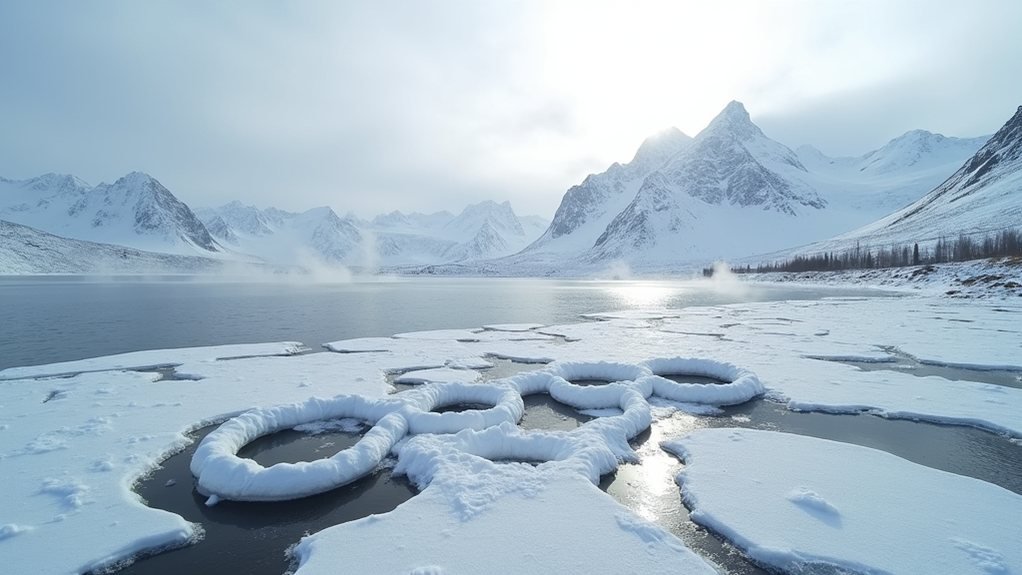

Climate change is putting the Winter Olympics on thin ice, quite literally. Rising temperatures and shrinking snow levels threaten winter sports’ charm and reduce the number of viable host cities. As ski resorts increasingly rely on artificial snow—talk about a slippery slope!—economic losses from low-snow years mount. If that’s not enough to raise eyebrows, projections for future host cities are downright alarming. But fear not, innovative strategies are emerging to keep the winter sports spirit alive. Curious about how?
Quick Overview
- Rising temperatures have caused significant snow depth reduction, threatening the Winter Olympics’ viability in traditional host cities.
- Projections suggest that reliable host cities for the Winter Olympics could plummet to just eight by the 2080s.
- Over 60% of ski resorts depend on artificial snow, raising concerns about sustainability and environmental impact during the Games.
- Economic losses exceeding $1 billion during low-snow years highlight the financial risks for the ski industry linked to climate change.
- Athletes are increasingly advocating for eco-friendly practices and climate action initiatives to ensure the future of winter sports.
The Impact of Climate Change on Winter Sports
As climate change continues to warm the planet, it’s becoming increasingly clear that winter sports are facing a serious identity crisis—like a snowman trying to survive a heat wave.
With average winter temperatures rising by over 5 degrees in Northern states, snow depth is dwindling, and ski seasons are shrinking.
Imagine needing fake snow for the Winter Olympics in the Alps! Over 60% of ski resorts rely on artificial snow production to stay open, complicating operations. This is especially concerning as most indoor events are set to take place in Milan, where rising temperatures threaten natural snowfall. Economic losses are staggering, with the ski industry losing over $1 billion in low-snow years.
As resorts struggle to stay viable, the charm of winter sports is melting away, leaving enthusiasts to ponder: can winter sports survive this climate crisis? Many stakeholders are now exploring sustainable water management strategies to reduce the environmental impact of snowmaking and conserve local water resources.
Future Host City Reliability: Challenges Ahead
While the allure of the Winter Olympics continues to captivate global audiences, the reliability of potential host cities is becoming as questionable as a snowflake in July.
Currently, 94% of the 93 contenders boast reliable climate conditions, but projections for the 2050s reveal a sharp decline, with only 46 cities remaining viable. Under mid-range emission scenarios, that number could plummet to just eight by the 2080s. As temperatures rise and snowfall dwindles, cities once synonymous with winter sports are at risk. This trend is underscored by the fact that only 52 out of 93 potential host sites will have reliable conditions by the 2050s. Waste reduction and prioritizing prevention and reuse in event planning can lessen the environmental footprint of hosting these Games.
The challenge ahead is clear: finding reliable hosts may soon become as elusive as a perfect powder day in a warming world.
Innovative Strategies for Sustainable Winter Games
With the clock ticking down to the next Winter Olympics, the pressure is on to find creative solutions that can guarantee these games are not only thrilling but also sustainable.
As the Winter Olympics approach, innovative solutions are crucial for ensuring excitement and sustainability go hand in hand.
Athletes are stepping up, from Alex Hall’s petition against fossil fuel sponsorships to Pragnya Mohan’s bicycle initiative promoting eco-friendly travel. Innovations like Jacquie Pierri’s low-impact rink cooling alternatives are essential, while Hugo Inglis champions climate charities. Meanwhile, Kevin Wekesa’s Play Green educates kids about recycling and tree planting. Additionally, the inclusion of 10 players from Florida Panthers competing at the Olympics highlights the intersection of sports and sustainability. These strategies show that sustainability can be as exciting as a last-minute goal, proving that green practices and winter sports can indeed coexist! Furthermore, climate action is crucial for preserving the future of outdoor sports, as highlighted by the challenges athletes face due to rising temperatures and pollution. New infrastructure planning increasingly emphasizes eco-friendly transportation to reduce event emissions and support long-term sustainability goals.