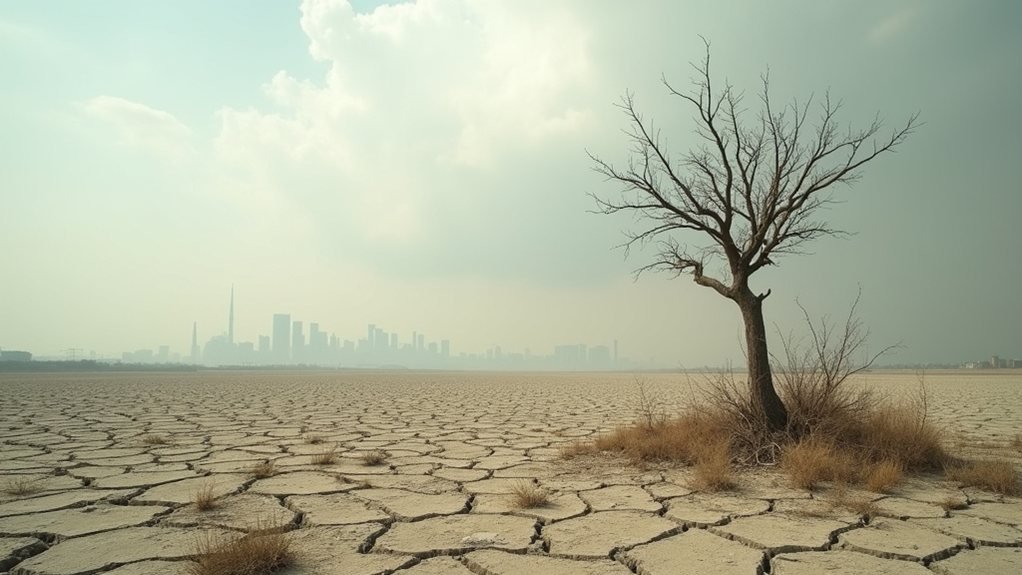

The recent U.S. exit from the Paris Agreement has been critiqued as a “colossal own goal” by climate leaders. This withdrawal jeopardizes global climate cooperation and threatens progress made over decades. It sets a worrisome precedent that suggests countries can simply opt-out of commitments without facing repercussions. Without U.S. support, other nations, like China and the EU, are poised to take the lead in global climate efforts. Curious about what this all means for the future of climate cooperation?
Quick Overview
- The US withdrawal from the Paris Agreement undermines global climate cooperation and sets back decades of progress in combating climate change.
- Critics, including climate experts, label the exit a “colossal own goal” that diminishes U.S. influence in international climate negotiations.
- Economic consequences include rising energy costs for households and potential job losses as other nations invest in clean technologies.
- The absence of U.S. leadership may allow competitors like China and the EU to dominate global climate initiatives and reshape international dynamics.
- Future climate cooperation faces significant hurdles without U.S. involvement, risking a fragmented approach to addressing the climate crisis.
Impacts of the US Withdrawal From the Paris Agreement
While some might argue that the United States’ withdrawal from the Paris Agreement is merely a political maneuver, the reality is far more complex and consequential.
This decision dismantles a crucial global system of climate cooperation, risking decades of progress. By joining the ranks of Iran and Yemen, the U.S. sets a troubling precedent, potentially igniting a race to the bottom in climate standards. Furthermore, the withdrawal undermines the collective global climate efforts, which could exacerbate the already urgent climate crisis. Additionally, the legal authority for such a unilateral exit remains dubious, raising questions about the long-term implications of this move. The decision also ignores widely accepted science about how greenhouse gases trap heat and drive global warming.
Economically, households may face rising energy costs, while American jobs dwindle as other nations invest in clean energy.
The international community watches, and the U.S. risks losing its leadership role in global climate efforts.
Why Some See This as a Huge Mistake
The decision to withdraw from the Paris Agreement has sparked a storm of criticism, with many experts viewing it as a monumental blunder. By stepping back, the U.S. risks falling behind in the global energy shift, as other nations embrace clean technologies. This move not only isolates America from leadership opportunities but also raises carbon emissions and weakens its bargaining power. In addition, the withdrawal sets a troubling precedent, suggesting that major players can simply opt-out of commitments. As the U.S. finds itself in a diplomatic pickle, competitors like China and the EU are happily stepping into the leadership vacuum. Furthermore, the U.S. cessation of financial aid to the Green Climate Fund negatively impacts climate change research and progress towards Paris Agreement goals. Businesses must now assess climate-related risks to adapt their strategies accordingly.
Future of Global Climate Cooperation Post-US
How will the world navigate the choppy waters of climate cooperation without the United States at the helm?
With the US withdrawal, financial resources dwindle, leaving the IPCC scrambling for funds. Meanwhile, China and the EU are poised to fill the leadership void, enhancing their global reputations. As the U.S. was the second largest emitter of greenhouse gases in 2025, its absence may hinder global efforts to curb emissions. Notably, the U.S. has now joined Iran, Libya, and Yemen as non-signatories to the agreement, illustrating a significant shift in global climate dynamics. Subnational efforts, like California’s ambitious climate targets, will endeavor to keep the US in the game. Yet, a race to the bottom looms, threatening coherent global commitments and creating chaos in carbon markets. As tensions rise in international bodies, the future of climate cooperation teeters on a precarious edge, emphasizing the need for collaborative resolve. Effective global response will require both mitigation and adaptation strategies to be coordinated across national and local levels.