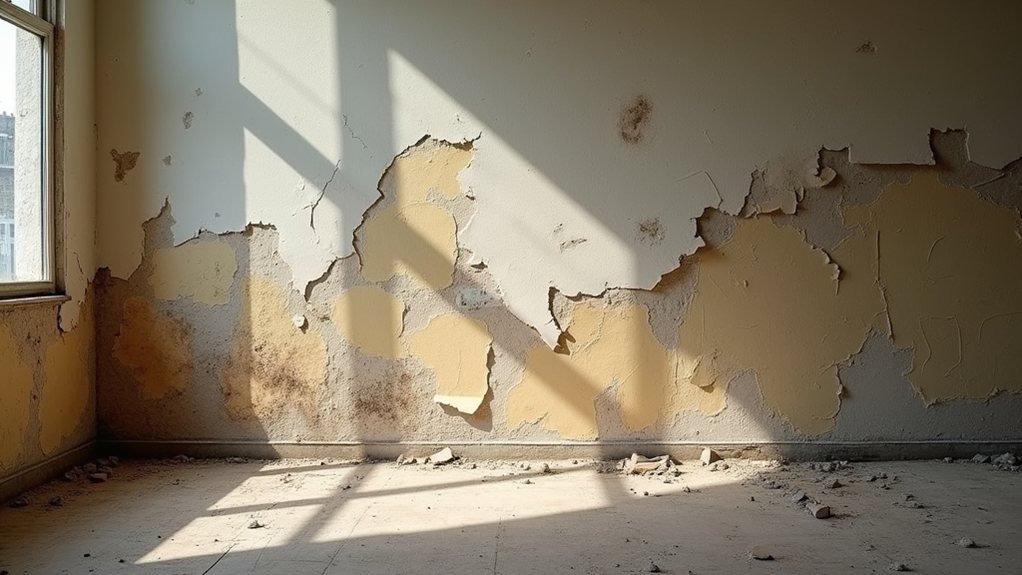

In the UK, a major scandal has erupted over home insulation failures, with MPs calling for an investigation into possible fraud amid alarming reports. A staggering 98% of homes with external wall insulation are facing damp and structural issues. The government is stepping up, committing £1.5 billion for repairs and audits. But let’s be honest—turning insulation initiatives into horror stories feels like a bad plot twist. More juicy details on this unraveling saga are just ahead.
Quick Overview
- MPs are demanding an investigation into fraud allegations related to UK home insulation schemes, particularly the ECO scheme.
- Investigations indicate potential fraudulent claims could total between £56 million and £165 million linked to insulation failures.
- Over 30,000 properties reported severe installation defects, raising significant health and safety concerns for residents.
- The government is focused on increasing oversight and implementing clear guidelines to prevent future insulation mishaps.
- Ongoing audits and regulatory measures aim to rectify past failures and protect consumers in insulation retrofit schemes.
What Happened With Home Insulation in the UK?
As the UK endeavored to make homes warmer and energy-efficient through various insulation schemes, it inadvertently opened the door to a staggering 98% failure rate, leaving many homeowners in a fix that could rival a plot twist in a soap opera. The ECO4 and GBIS initiatives, funded by a £1 billion taxpayer budget, aimed to help low-income households but instead left over 23,000 homes plagued with damp, mould, and property damage. With inadequate assessments and rushed installations, many properties became unsellable, trapping moisture like a bad dinner guest. The ongoing saga highlights the significant oversight failures that turned good intentions into costly disasters, as nearly all homes with external wall insulation are likely to develop damp or mould. This troubling situation has resulted in nearly 30,000 homeowners affected by poor-quality work from the government-backed ECO scheme. Sustainable construction practices emphasize proper material selection and installation to prevent such failures, including guidance on insulation materials and installation methods.
What Is the Government Doing About It?
The fallout from the UK’s home insulation blunder has prompted a flurry of government action, as officials scramble to untangle the mess left behind. The Department for Energy Security and Net Zero (DESNZ) is stepping up, setting clear guidelines for repairing faulty installations and reforming consumer protections in retrofit schemes. Meanwhile, the Energy Company Obligation (ECO4) has been extended, allowing time for remediation efforts. Certification bodies are suspending poor installers, and households are receiving on-site audits. Increased oversight aims to prevent future mishaps, ensuring that everyone’s home insulation doesn’t turn into a comedy of errors. The government has identified that 98% of homes with external wall insulation under the ECO scheme require repairs for major issues. To further address these challenges, the government has committed £1.5bn for low-income household upgrades, which aims to support those most affected by the insulation failures. Communities are also being encouraged to adopt recycling and reuse practices to reduce waste and lessen the environmental impact of retrofit work.
Fraud Allegations in UK Home Insulation Schemes
While many homeowners sought comfort and energy savings through UK home insulation schemes, a troubling wave of fraud allegations has surfaced, casting a shadow over these well-intentioned initiatives.
Investigations suggest that between £56 million and £165 million may have been fraudulently claimed by businesses, with about 30,000 properties affected by severe installation defects. Poor insulation has ironically turned these schemes designed to enhance safety and energy efficiency into sources of damp, mould, and even structural issues. Furthermore, poor quality installations have led to significant health and safety risks for residents, complicating the challenges homeowners face.
Investigations indicate that fraudulent claims may reach up to £165 million, impacting around 30,000 homes with serious installation flaws.
As energy suppliers grapple with skyrocketing costs, homeowners are left wondering if their quest for warmth has morphed into a costly gamble. The incidents have also raised questions about adherence to the waste management hierarchy in project planning and materials selection.