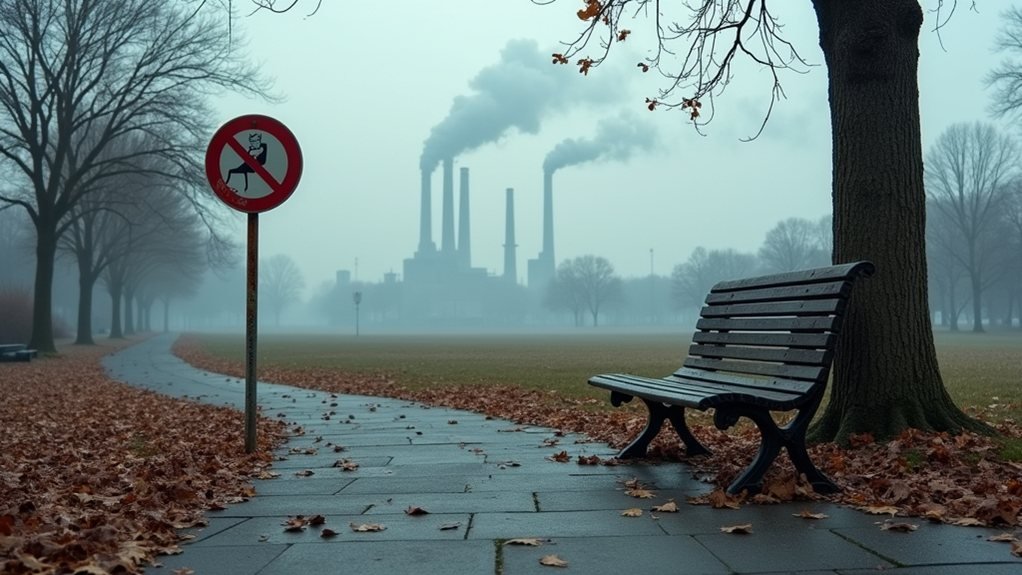

In March 2026, the EPA announced a controversial decision to revoke the 2009 Greenhouse Gas Endangerment Finding, a move many see as a significant step backward for U.S. climate policy. By eliminating emission standards, manufacturers face fewer compliance hurdles, but air quality may suffer. Critics like David Widawsky are calling this decision irresponsible and warn of rising energy bills. As the dust settles, questions arise about the long-term environmental impacts and the future of climate initiatives in the U.S. There’s more to uncover about the implications of this decision.
Quick Overview
- In February 2026, the EPA revoked the 2009 Greenhouse Gas Endangerment Finding, a pivotal climate regulation.
- The decision eliminated various vehicle emission standards, purportedly saving $1.3 trillion in regulatory costs.
- Critics, including environmental groups, decried the rollback as irresponsible, risking air quality and stall in clean technology advancement.
- The lack of regulatory frameworks complicates future emission tracking and compliance for companies.
- This deregulatory move raises questions about U.S. commitment to global climate initiatives and potential increases in emissions.
The EPA’s Decision: Key Details on GHG Standard Revocation
As the ink dried on the EPA’s most recent climate decision, one couldn’t help but feel as if a dramatic plot twist had just unfolded in an already thrilling saga.
Signed by EPA Administrator Lee Zeldin, the February 2026 ruling marked a historic deregulatory shift, rescinding the 2009 Greenhouse Gas Endangerment Finding. This decision eliminated emission standards for various vehicles, with claims of saving $1.3 trillion in regulatory costs.
Curiously, the EPA leaned on legal interpretations of the Clean Air Act, suggesting U.S. vehicle regulations barely impacted global climate.
The reversal raises questions about how companies will track and report their emissions moving forward, as the previous standards had established frameworks for measuring GHG emissions through various monitoring and calculation methods.
Talk about throwing the kitchen sink at climate policy—or maybe just tossing it out altogether!
Consequences of Revoking GHG Standards Established in 2009
While the decision to revoke the 2009 greenhouse gas (GHG) standards might have seemed like a bold move to some, the consequences unfold like a complicated game of Jenga—one misplaced block could bring the whole tower crashing down.
The revocation strips manufacturers of emission oversight, eliminating compliance burdens but sparking potential chaos for air quality. Economic data suggests $1.3 trillion saved, yet the long-term environmental cost remains unclear.
Without these standards, advancements in clean technology could stall. Fundamentally, the nation may find itself cruising down a highway with no speed limit, grinning blissfully unaware of the looming traffic jam ahead. Implementing effective strategies to cut emissions requires coordinated action across economic sectors and energy systems, a challenge made more difficult without regulatory frameworks in place.
Climate Advocates’ Responses and Actions
Climate advocates wasted no time expressing their dismay following the EPA’s controversial revocation of greenhouse gas standards.
David Widawsky of the World Resources Institute slammed the decision as a “dangerous breach of responsibility,” arguing it jeopardizes Americans’ health and finances.
The U.S. Conference of Mayors called it “a terrible step backwards,” voicing their frontline experience with climate chaos.
Meanwhile, the Environmental Defense Fund is gearing up for legal battles to counter the rollback.
With rising energy bills and increasing emergency room visits, advocates pointedly noted how families could face displacement—all while big polluters enjoy a green light for their risky behaviors.
As organizations fight this rollback, many are urging citizens to learn how to distinguish genuine sustainability efforts from corporate messaging that may obscure environmental impact.