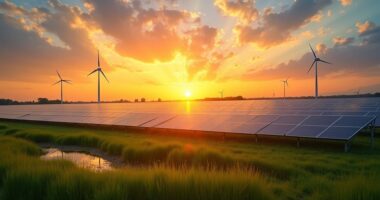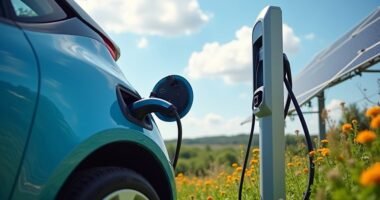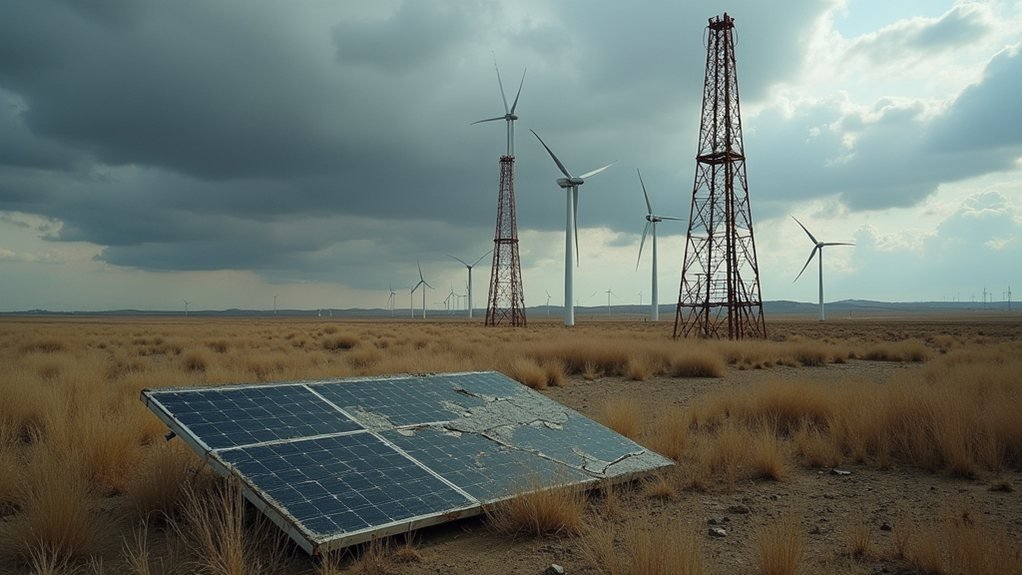

The U.S. clean energy sector has seen a shocking $34 billion in project cancellations, primarily due to policy flip-flops and regulatory hurdles. Think of it as a rollercoaster where the ride keeps stalling. With over 200 clean energy projects scrapped and thousands of jobs at risk, the future now looks a bit cloudy. However, there’s still a silver lining—the sector could grow considerably if the right support and strategies are put in place. Curious about what’s next?
Quick Overview
- The clean energy sector faces a $34 billion investment loss due to policy uncertainty and project cancellations.
- Over 200 clean energy projects have been terminated, impacting jobs and industry growth.
- The Trump administration’s rollback of incentives has dampened demand for electric vehicles and renewable energy projects.
- Approximately 38,000 jobs are affected by project cancellations, risking future job growth in the clean energy sector.
- The disruption in clean energy expansion threatens to erase gains and investor confidence, necessitating clear sustainability strategies.
Key Factors Behind the $34 Billion Clean Energy Investment Loss
In the domain of clean energy, the recent $34 billion investment loss looms large, like a storm cloud overshadowing a promising sunny day.
Key factors include the Trump administration’s rollback of critical incentives, which sent policy uncertainty spiraling. A pause on offshore wind leasing left projects floundering, while the repeal of EV tax credits dampened demand. Nearly $3 in clean energy projects were abandoned for every $1 announced in 2025 underscored the alarming trend of cancellations.
With manufacturing pullbacks totaling over $30 billion, the momentum of clean energy supply chains stumbled. Ironically, this happened after years of robust investments. The stark reality? For every dollar announced, nearly three were canceled—an unsettling trend for future energy ambitions. Furthermore, the cancellation of 61 projects has impacted approximately 38,000 jobs, further emphasizing the need for a renewed focus on clean energy policies. Emerging technologies such as small modular reactors are being explored to help stabilize energy investment and support decarbonization efforts.
Why Are Clean Energy Projects Being Canceled in 2025?
Why are clean energy projects suddenly facing the chopping block in 2025? A perfect storm of policy rollbacks and funding terminations is wreaking havoc.
The Trump administration’s climate policy reversals halted vital momentum, while the Department of Energy pulled the plug on over 200 projects, saving billions. 321 financial awards were terminated after a thorough review, leaving investment uncertainty looming large; for every dollar announced, three projects are axed. States like Michigan felt the brunt, losing billions and thousands of jobs. In Q3 2025 alone, clean technology manufacturing cancellations amounted to $2 billion, underscoring the crisis.
It’s like a game of musical chairs, but instead of music, there’s just a deafening silence—leaving many clean energy dreams stranded without funding or support. The sudden cancellations have also disrupted plans to expand solar and wind capacity, slowing deployment timelines and undermining investor confidence.
Future of Clean Energy Jobs in the U.S
While the landscape of clean energy jobs in the U.S. is currently buoyed by impressive growth, the future remains a thrilling rollercoaster ride filled with both promise and uncertainty.
With 3.6 million jobs projected by 2024, the energy sector is booming—nearly 12% growth compared to a sluggish job market. Fast-growing roles like wind turbine technicians and solar installers are hot commodities. Furthermore, clean energy employment increased by 3% from 2023 to 2024, with projections indicating that 22 out of every 1,000 workers in the U.S. will be in clean energy-related positions. Additionally, the expected creation of 500,000 – 600,000 additional jobs highlights the significant potential for future workforce growth. A clear sustainability strategy can help firms align hiring with long-term goals and workforce planning.
Yet, project cancellations loom large, threatening to erase tens of thousands of jobs. As states like California and Texas lead the charge, specialized labor gaps persist.
The challenge? Keeping this green momentum rolling while dodging the potholes ahead.