
The UK is sprinting toward its 2050 net-zero goal, with a keen focus on transforming transport. By 2030, the ambition is to phase out petrol and diesel vehicles, making way for snazzy zero-emission buses and hydrogen trains. Smart ports and electric charging networks are popping up like mushrooms after a rainstorm. As they lace up their eco-friendly trainers, the UK Government is committed to creating a sustainable transport landscape. Stick around to uncover more transformative developments!
Quick Overview
- The UK aims for net zero emissions from vehicles by 2050, emphasizing the need for sustainable transport solutions.
- Key milestones include phasing out petrol and diesel vehicles by 2030 and replacing diesel trains by 2040.
- Significant investments, such as £1.3 billion for electric vehicle charging infrastructure, support the transition to zero-emission transport.
- The government promotes innovations like zero-carbon aircraft and autonomous electric systems to enhance sustainable transport infrastructure.
- Ongoing efforts focus on expanding public transportation networks and implementing renewable energy sources for a greener transport sector.
Key Milestones in the Journey to Net Zero in UK Transport
The journey to achieving net zero in UK transport is like a thrilling relay race, with each sector passing the baton at critical milestones along the way.
The race to net zero in UK transport is an exhilarating relay, with each sector hitting key milestones for a sustainable future.
Cars and vans will see the phase-out of new petrol and diesel models by 2035, while heavy goods vehicles aim for a similar fate by 2040. Additionally, the government has committed to phase out new diesel and petrol cars and vans by 2030.
Rail, with its ambitious target of removing diesel-only trains by 2040, is also in the mix.
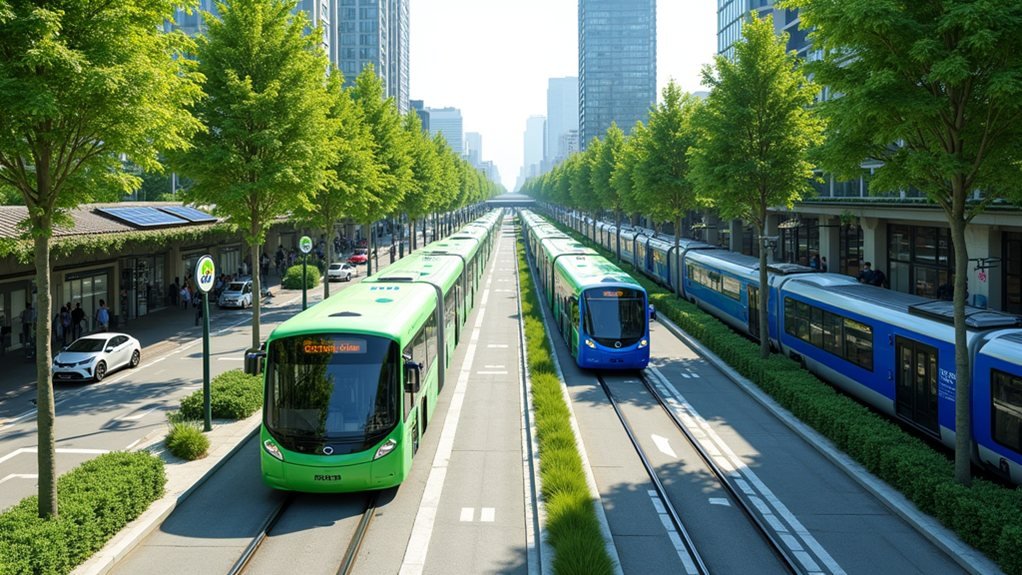
Buses are getting a makeover, too, with plans for 4,000 new zero-emission vehicles. These initiatives represent economic sector approaches to systematically reduce carbon emissions across the transportation landscape.
Each milestone is a step closer to a greener future, proving that even transport can go green without losing speed!
Net Zero Innovations in Sustainable Infrastructure
As the world races toward a greener future, innovative solutions in sustainable infrastructure are not just a dream but a vibrant reality, transforming how we think about transport.
The FlyZero project is soaring ahead, exploring zero-carbon aircraft, while the Future Flight Challenge pioneers autonomous electric systems.
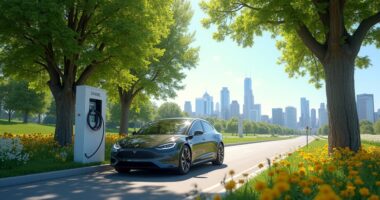
On the ground, £1.3 billion fuels electric vehicle charging infrastructure, ensuring convenient access for all. This investment supports the UK’s goal of net zero emissions from vehicles by 2050. Additionally, the UK Government’s clear focus on transport and infrastructure is driving these advancements forward.
Meanwhile, smart ports are harnessing data and automation for cleaner operations. Public transportation networks are being expanded and optimized to provide eco-friendly alternatives to single-occupancy vehicles.
With rail and automotive sectors innovating for zero emissions, the landscape is evolving rapidly, making sustainable transport as exciting as a rollercoaster ride—just without the screaming!
How We’ll Get There: Building a Zero-Emission Transport System
Building a zero-emission transport system may sound like a lofty goal, but with the right strategies in place, it’s more achievable than a well-timed punchline.
The UK plans to phase out petrol and diesel vehicles by 2030, ushering in a fleet of zero-emission buses and heavy goods vehicles. Electric and hydrogen trains will replace diesel ones by 2040, making rail travel greener. Road travel accounts for 90% of passenger miles, emphasizing the need for widespread adoption of zero-emission vehicles across all sectors. Achieving this goal aligns with the government’s commitments to decarbonise the UK transport system, ensuring a sustainable future.
Transitioning to renewable energy sources will be crucial for powering our future transportation infrastructure, providing both environmental benefits and long-term cost savings.
Expanding charging infrastructure is essential, as is the government’s commitment to a “green bus revolution.” Together, these initiatives create a roadmap that transforms the transport sector into a cleaner, more sustainable powerhouse—no cape required!