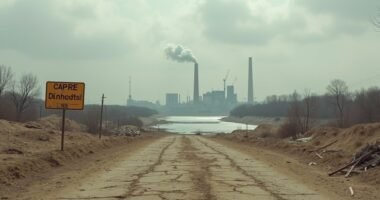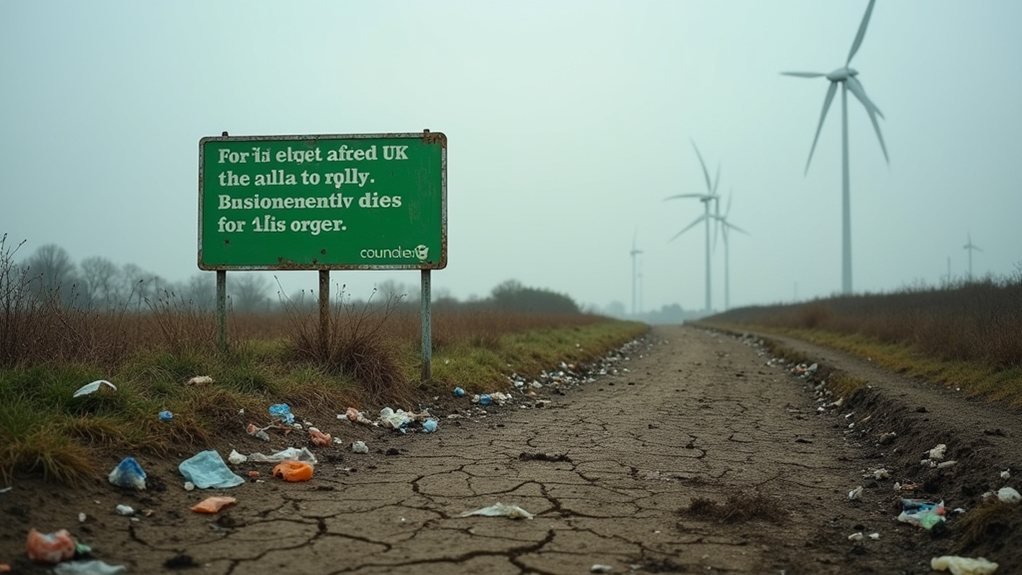

The UK’s environmental targets are in hot water, with a watchdog report showing that seven out of ten commitments are currently missed. This poor performance stems from issues like delayed policies and a lack of resources. With only five targets on track, the focus remains on decarbonisation and clean energy. While areas like sewage treatment are improving, the broader picture is murky. Stick around to discover what strategies might bring these targets back from the brink!
Quick Overview
- The UK is off track for 21 out of 43 environmental targets, with widespread implementation gaps cited as a key reason for failure.
- Only five environmental targets are currently on track, signaling significant challenges in meeting commitments.
- Delayed policies and inadequate resources contribute to the failure of seven out of ten targets monitored by the OEP watchdog.
- Engaging farmers and enhancing payment structures are essential to improve progress on biodiversity and environmental targets.
- Collaborative approaches and nature-based solutions are critical to address the obstacles and unify fragmented environmental efforts effectively.
Current State of UK Environmental Targets
As the UK begins its environmental journey, one might say it feels a bit like trying to juggle while riding a unicycle—ambitious, certainly, but not without its challenges. However, clear leadership and sustainable construction across departments could help align goals with resources.
Currently, the nation is largely off track for 21 of 43 environmental targets. While there’s a glimmer of hope with five targets on track, many others lag behind. However, some sectors have shown promise, like wildlife habitat restoration and improved sewage treatment compliance. The latest assessment indicates that many targets are struggling to make significant progress, highlighting the need for increased effort and coordination. Moreover, the government’s focus on decarbonisation and clean energy initiatives aims to bolster its environmental objectives and align investments with sustainable practices.
It’s as if the UK is playing a game of hopscotch, managing to land on a few squares while struggling to avoid all the pitfalls along the way.
Why Are Targets Being Missed?
Despite the glimmers of hope dotted throughout the UK’s environmental efforts, a closer examination reveals that many of the country’s ambitious targets are slowly slipping through its fingers. Insufficient resources and implementation gaps plague progress, with 21 out of 43 commitments largely off track. Meanwhile, delayed policies and planning hinder timely action. Think of biodiversity targets like trying to hit a piñata while blindfolded—challenging and often frustrating! Additionally, with the aim to increase farm participation through revised payment structures, ensuring farmer engagement is crucial for achieving set environmental goals. Even when specific actions shine, such as clean air improvements, the broader picture remains muddled. If environmental efforts were a recipe, it seems the kitchen is out of essential ingredients and time. The upcoming seventh carbon budget decision will be critical in shaping future policy directions and addressing these pressing challenges. A formal approach to SDG alignment could help integrate reporting across targets.
Key Strategies for Overcoming Environmental Challenges
To tackle the mounting environmental challenges facing the UK, strategizing effectively is like assembling a puzzle with pieces that often seem to be from different boxes. This shift aligns with biodiversity conservation efforts across sectors, strengthening resilience through nature-based approaches.
Key strategies include enhancing policies to cover the ambitious 68% emissions reduction target, while clean energy plans aim for 95% low-carbon electricity by 2030. Local Nature Recovery Strategies (LNRS) will play a pivotal role in preserving biodiversity, alongside empowered strategic authorities. Moreover, nature restoration is crucial as it can bolster economic resilience amid supply chain disruptions. Private investment in nature-related projects is vital, and tree planting rates must accelerate to fulfill the pressing need for carbon capture. As global temperatures rise, addressing climate change impacts is essential for long-term sustainability.
Enhancing policies and clean energy plans are critical for achieving a 68% emissions reduction and 95% low-carbon electricity by 2030.
Ultimately, a collaborative effort can help align all these fragmented pieces into a cohesive solution.