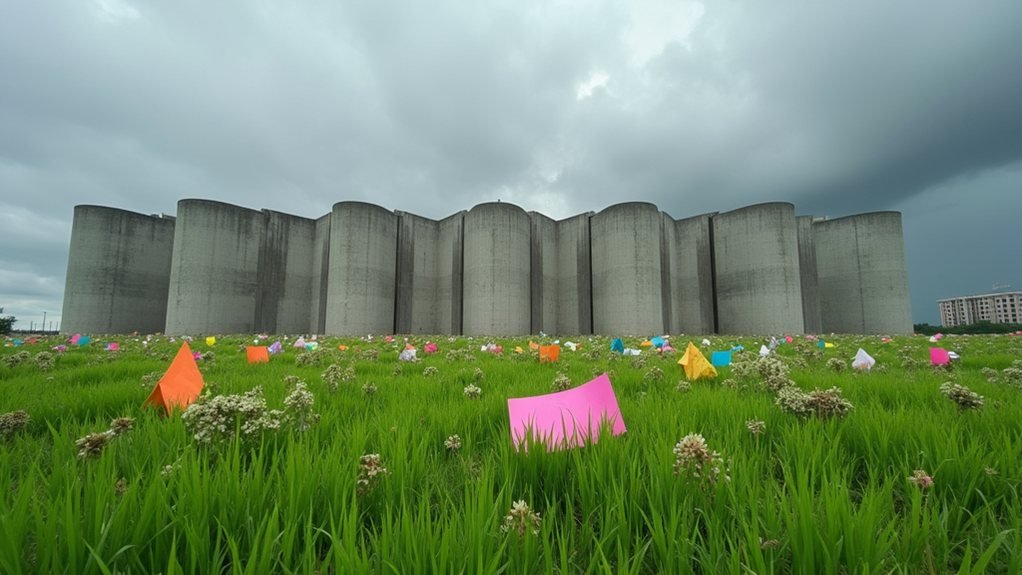

On February 27, 2026, UK activists are gearing up like environmental superheroes for their own ‘March Against The Machines.’ They’re pushing against the never-ending expansion of AI data centres, which gobble electricity faster than a teenager devours pizza. Friends of the Earth and company aren’t just about eco-drama; they’re spotlighting higher bills and tech’s footloose carbon footprint. Balancing community needs against tech’s hungry innovation? Now that’s a tricky dance worth paying attention to.
Quick Overview
- UK activists plan “March Against The Machines” on February 27, 2026, protesting AI data centres’ climate and social impacts.
- Protests aim for a moratorium on hyperscale data centre developments, advocating for increased community involvement.
- Data centres’ electricity consumption equivalent to powering 100,000 homes raises significant environmental and financial concerns.
- Activists criticize tech lobbying influence over government decisions, stressing public participation in planning.
- Proposed natural water solutions in urban planning to mitigate environmental impacts of data centres.
Planned Protests Against AI Data Centre Expansion
In the bustling theater of environmental activism, the stage is set for a grand performance as UK activists rally against the rush of AI data centre expansion. Armed with banners and catchy slogans, they prepare for the “March Against The Machines,” which will take London by storm, starting right at OpenAI’s doorstep. This movement spans cities, like an uninvited house guest that just won’t leave, fueled by the fire of groups ranging from Friends of the Earth to Foxglove. Their demand? A moratorium to hit the pause button on hyperscale developments and bring the community into the conversation. One of the three pillars of ESG highlights the importance of social impacts, which is a key concern for these activists challenging the AI data centre expansion. Across the UK, environmental groups have organized two days of coordinated protests to voice their concerns about the potential strain on local communities and climate goals. Communities feel unheard as tech lobbyists influence government decisions, emphasizing the need to prioritize public involvement in planning and decision-making processes. It’s democracy, unplugged.
Impact of AI Data Centres on Communities
As the clamor of protests against AI data centre expansion echoes through the streets, one can’t help but wonder what’s truly at stake for the communities caught in this digital whirlwind.
These energy-hungry giants slurp up electricity like their favorite milkshake, enough to power 100,000 homes. Local economies continue to face backlash as the promise of economic stimulation from construction jobs dissipates quickly. Locals scratch their heads as they face rising electricity bills—thanks, data centers! The increasing electricity demands from such facilities add pressure on the existing grid infrastructure, complicating efforts to ensure efficient and sustainable power systems.
Behind security fences, short-lived construction jobs fade, leaving few permanent roles. It’s a game of ‘Who Benefits?’—host communities pocket tax gains, while neighbors grasp cold comfort at bill hikes. Additionally, integrating natural water solutions such as rain gardens, urban forests, and pervious pavements into city planning can help mitigate some environmental impacts associated with large data centers.
Meanwhile, land use transforms, adding new meaning to AI’s digital landscape.
Big Tech’s Responsibilities Toward Communities
Although Big Tech often dazzles with its sleek innovations and sky-high ambitions, it’s crucial to peek behind the glittery curtain and consider its responsibilities to the communities it impacts. Enter ProductLedCSR: a strategy where technology isn’t just flashy gadgets but a force for good. With companies like UnfoldLabs leading the way, this approach integrates CSR into core product strategies to scale impact and empower communities. UnfoldLabs champions this by embedding social solutions into their products, tackling issues like child safety and elder care. Meanwhile, conferences like the one at Catholic University reveal Big Tech’s ripple effects—akin to dropping a boulder in a pond. Additionally, understanding and reducing carbon footprints is becoming increasingly essential for these tech giants as part of their broader sustainability efforts. As sustainability commitments grow, companies must balance tech wizardry with tangible benefits, lest they become the modern-day Icarus. As Europe recalibrates its sustainability regulatory agenda, Big Tech must navigate the evolving compliance landscape to ensure they meet their obligations while maintaining their innovative edges.