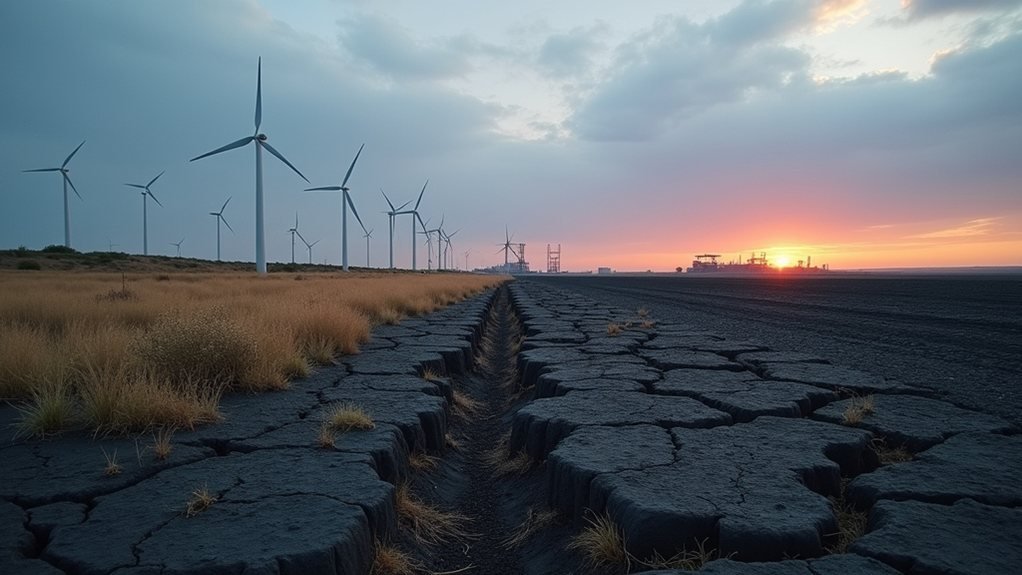

In 2026, Trump’s policies took a major toll on both health and the environment, rolling back critical air quality standards and reducing regulations on greenhouse gases. This prompted the NRDC, alongside other organizations, to file lawsuits to challenge these rollbacks. With pollution on the rise, respiratory issues loom large. Clean energy initiatives face serious threats too, as the focus shifts away from sustainable practices. Curious how these changes shape the future? Stick around to find out more!
Quick Overview
- Trump’s policies have weakened air quality standards, increasing health risks from pollutants and respiratory issues.
- The NRDC filed a lawsuit in 2026 challenging the repeal of the 2009 Endangerment Finding, crucial for public health protections.
- Legal actions against the EPA assert violations of the Clean Air Act, aiming to uphold clean air standards.
- Weakened regulations favor fossil fuel interests, jeopardizing progress in clean energy and sustainability initiatives.
- The rollback of emissions standards threatens public health and the future of clean energy innovations.
How Trump’s Policies Are Harming Our Health and Environment
As the world grapples with pressing health and environmental issues, one might wonder just how deeply former President Trump’s policies have etched their mark on our planet. This underscores the importance of understanding climate action concepts like mitigation, which aims to reduce the root causes of climate change.
By rolling back stringent air quality standards and gutting rules on greenhouse gases, he propelled the nation toward a smoggy future reminiscent of bad science fiction. The Trump administration’s rollbacks of regulations promised a mere 1% emissions reduction, like trying to quench a wildfire with a thimble of water. The elimination of federal GHG emission standards has made the air we breathe even more uncertain, further jeopardizing public health.
With weakened regulations on hazardous pollutants and fossil fuels reigniting, America’s health faces an uphill battle, and it’s not winning any races anytime soon.
What Legal Actions Is NRDC Taking Against EPA Rollbacks?
In a bold move that seems to echo the spirit of a courtroom drama, the Natural Resources Defense Council (NRDC) has teamed up with an impressive coalition of environmental champions to take action against the Environmental Protection Agency (EPA). Understanding the three categories of greenhouse gas emissions and their measurement methods can illuminate why regulatory actions in this area matter for public health.
In a dramatic legal twist, the NRDC joins forces with environmental allies to challenge the EPA’s rollback of crucial air quality protections.
Filed on February 18, 2026, this lawsuit challenges the repeal of the 2009 Endangerment Finding, which had identified six greenhouse gases as health threats. This rollback means the EPA will not regulate greenhouse gases from mobile sources such as vehicles. Plaintiffs argue this rollback, favoring fossil fuel interests, undermines clean air standards for vehicles. With claims of relying on flawed evidence, this legal showdown aims to protect public health and environmental integrity amid political maneuvering. The lawsuit emphasizes that the repeal undermines the Clean Air Act, which has been crucial in safeguarding public health against pollution.
Threats to Clean Energy Initiatives From Recent Regulatory Changes
The revocation of the EPA’s Greenhouse Gas Endangerment Finding pulls the rug out from under federal emissions standards, leaving electric vehicle mandates in the dust. This shift undermines long-term sustainability goals and CSR frameworks. It’s like changing the rules mid-game!
As the coal industry’s shackles loosen, energy costs may dip, but at what environmental cost? The repeal is projected to save taxpayers over $1.3 trillion, further complicating the landscape of energy regulations. Additionally, the repeal aims to restore reliable energy sources for American families, shifting the focus away from cleaner alternatives.
Innovation could stall, with the regulatory landscape backpedaling into the Stone Age. By sidelining Congress, these shifts threaten a cleaner future, making sustainability feel like a fading dream.