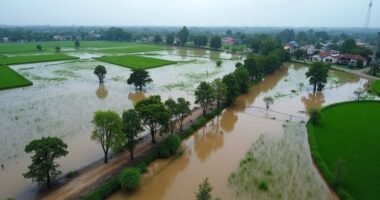

In January 2026, the UK braved a stormy trio: Goretti, Ingrid, and Chandra. Goretti was the main troublemaker, with winds hitting 119 mph and leaving over 200,000 homes in the dark. Record rainfall drenched regions like Northern Ireland and southern England, causing flooding galore. Storm Ingrid and Chandra played backup, but the flooding was no laughing matter. To weather such storms, it’s essential to prepare—like stashing emergency kits or monitoring weather updates. Stick around to learn more about storm preparedness!
Quick Overview
- Storm Goretti caused the most extensive damage, with winds up to 119 mph and over 60,000 homes losing power.
- Northern Ireland experienced its second wettest January ever, largely due to Storm Goretti’s rainfall.
- Storm Ingrid and Storm Chandra had a lesser impact but contributed to significant rainfall in the southwest.
- Across the UK, rainfall in January 2026 was 17% above the long-term average, with 26 weather stations breaking monthly records.
- The storms resulted in widespread flooding, road blockages, and school closures, severely disrupting travel and daily life.
Major Weather Events and Their Impacts in January 2026
As January rolled in like a freight train of weather chaos, the UK found itself battered by a series of major storms that not only drenched the land but also set new records for rainfall. Northern Ireland experienced its second wettest January in 149 years, while Cornwall and County Down topped the charts. Southern England saw a whopping 74% more rain than average, with the UK recorded 17% more rainfall than the long-term average for January. Notably, Storm Chandra brought exceptional rainfall to the southwest, contributing to the already staggering totals. With 26 weather stations breaking monthly records, it was clear that January had no intention of holding back. Flooding was rampant, leading to major incidents and power outages, proving that this month was less about cozy winter vibes and more about weather warfare. Effective monitoring of pollution and atmospheric conditions can help assess health and environmental risks during such events, including tracking air quality.
The Impact of Storms Goretti, Ingrid, and Chandra on the UK
Storms can be relentless, and in January 2026, the UK faced a tempestuous trio that left a mark on the landscape and its residents.
Storm Goretti blasted through with winds reaching 119 mph, proving that Mother Nature can indeed throw a tantrum. Trees toppled, roofs flew off, and power outages affected over 200,000 homes. Around 60,000 homes lost power during this fierce storm, showcasing the severe impact it had on communities. As the storm reached its peak intensity, it deepened to 1006 hPa, leading to widespread alerts and disruption.
Meanwhile, heavy snowfall blocked roads and cut off rural areas, turning them into winter wonderlands—but not the fun kind. Schools shut down, and travel plans crumbled like a biscuit in tea. Evaluating the environmental impact across the storms’ lifecycles helps planners reduce future harm and improve resilience.
In short, Goretti delivered chaos, while Ingrid and Chandra seemed to take a backseat, quietly observing.
What Steps Can You Take to Prepare for Storms?
When nature decides to release its fury, preparation can make all the difference between a minor inconvenience and a full-blown disaster.
Monitoring weather updates through the Met Office is essential; think of it as your personal storm radar. Assemble an emergency kit with essentials like non-perishable food and a trusty flashlight—because navigating in the dark is best left for camping trips, not stormy nights. Additionally, ensure you stay updated with weather warnings to be aware of any changes in storm severity. Knowing your power provider contact details can also help in case of outages. Consider conserving resources by practicing water conservation to reduce strain on supplies during and after storms.
Secure your home by stashing away loose items and ensuring your gutters are clear.
Finally, check on neighbors and stay indoors during the tempest, because venturing out is a recipe for disaster—like trying to pet a wild bear!