
Global mining conflicts have surged, sparking major challenges for the clean energy shift. These disputes often stem from communities resisting unsustainable practices, demanding accountability from corporations, and asserting their rights. As we chase cleaner technologies, the rising demand for critical minerals is creating a tightrope walk between resource needs and environmental concerns. Think about it this way: just like juggling flaming torches, it’s all about balance! Curious about how sustainable practices can help? There’s more to explore.
Quick Overview
- Over 36,000 mining-related conflicts from 2015 to 2022 indicate rising tensions affecting clean energy initiatives globally.
- Community resistance and disputes can lead to project delays, jeopardizing the transition to sustainable energy sources.
- Demand for critical minerals is projected to increase 3.4 times by 2040, amplifying geopolitical risks related to supply chains.
- Sustainable mining practices and AI technologies are essential to mitigate environmental impact and foster trust in mining projects.
- Effective community engagement and transparency are vital for building trust and ensuring the success of clean energy transitions.
Why Mining Conflicts Are on the Rise and What It Means for Clean Energy?
As global demand for clean energy surges, so too do the mining conflicts that accompany the extraction of essential resources.
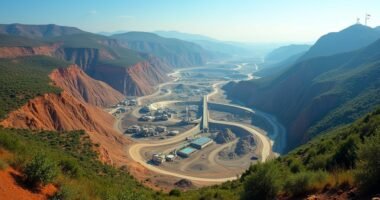
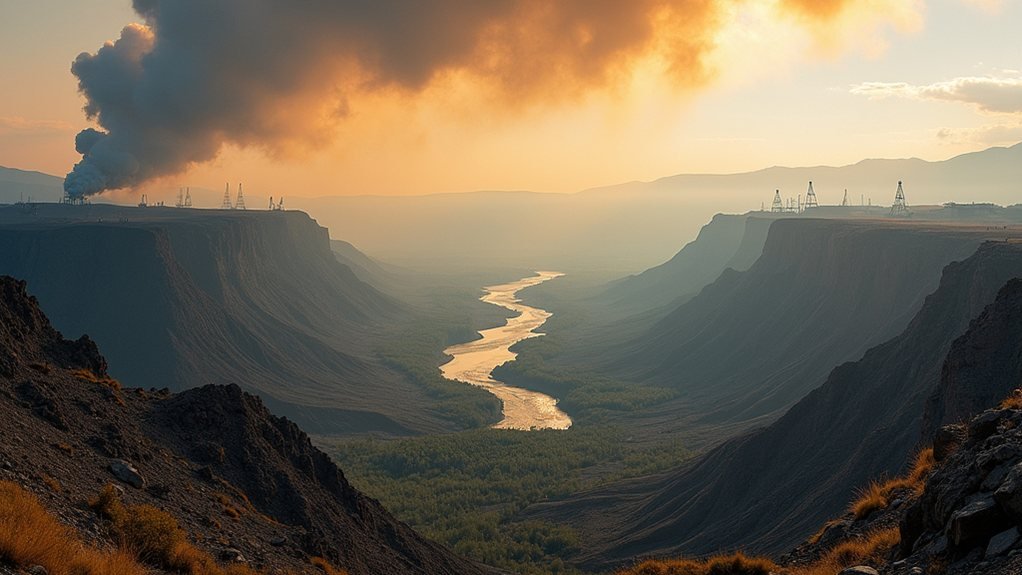
With over 36,000 documented mining-related conflicts from 2015 to 2022, tensions are palpable. Wherever minerals are found—be it Chile’s arid Atacama or sprawling Canadian landscapes—communities are pushing back. This resistance often leads to project delays or cancellations, with polarized disputes escalating into protests or even violence. Implementing sustainable mining practices can help mitigate some of these conflicts by balancing extraction with environmental and community needs. As gold and copper shine brightly on the market, these conflicts threaten not just local trust, but the broader clean energy evolution, leaving nations juggling environmental concerns with the pressing need for resources. The prevalence of mining resistance is increasingly driven by communities asserting their rights in the face of corporate interests. Such environmental degradation not only jeopardizes ecosystems but also heightens the urgency for responsible mining practices.
Key Minerals in Demand: Supply Chain Challenges and Economic Impacts
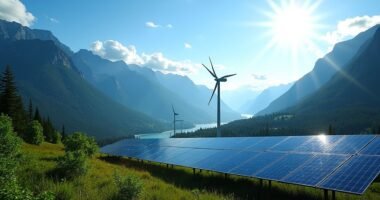
Critical minerals are the unsung heroes of the clean energy revolution, quietly fueling advances in everything from electric vehicles to solar panels. Demand for essential materials like lithium, nickel, and cobalt is set to soar, with projections indicating a staggering 3.4-fold increase by 2040. However, the supply chain faces substantial challenges, as mineral resources are concentrated in a handful of countries, creating risks reminiscent of geopolitical soap operas. Price volatility, trade restrictions, and uneven processing capabilities only add to the chaos. Adopting strategies higher in the waste management hierarchy can help mitigate environmental impacts associated with mining these minerals. Ultimately, a resilient and diverse resource system is vital for sustaining this clean energy shift and achieving those ambitious net-zero targets, particularly as supply chain security is crucial for achieving COP 28 goals. As these countries hold the majority of the world’s critical mineral reserves, their role will be pivotal in ensuring a balanced transition to clean energy.
Creating Sustainable Mining Practices and Building Community Trust
With the clean energy revolution sparking an insatiable appetite for essential minerals, the spotlight now shifts toward how mining practices can evolve to meet this demand sustainably. Artificial intelligence is becoming a key component in tracking and optimizing sustainability metrics in mining operations through AI tools for sustainability.
Sustainable mining, worth a projected $15 billion by 2025, hinges on tech like AI and automation, enhancing efficiency while minimizing environmental impact. The sustainable mining market was valued at $11 billion in 2022, and this growing trend reflects the industry’s commitment to responsible resource extraction. Significant investment of up to USD 450 billion in infrastructure is needed by 2030 for clean energy technologies, highlighting the urgency for sustainable practices.
Governments are stepping up too, with initiatives like China’s 1,000 green mines and Australia’s annual ESG performance mandates.
Governments are rising to the challenge with projects like China’s green mines and Australia’s ESG performance requirements.
Communities crave transparency and engagement, emphasizing corporate responsibility.
In this evolving landscape, building trust is vital; think of it as a friendship—open dialogue and shared values create bonds that outlast any ore.