
The Ring of Fire project in Northern Ontario is a hotbed for mineral resources, but it faces controversy due to federal assessment exemptions starting in 2026. This exemption limits meaningful consultation with First Nations, risking Indigenous rights and cultural heritage. Picture a vast treasure chest of chromite and nickel, but without the key players’ voices—it’s a recipe for imbalance. As the Eagle’s Nest project advances, which targets significant nickel production, one must wonder about the environmental implications and community impact.
Quick Overview
- The Ring of Fire Project, located in Northern Ontario, may face accelerated development due to federal assessment exemptions planned for 2026.
- Exemptions have raised concerns regarding the lack of meaningful consultation with First Nations, potentially undermining their treaty rights and input.
- The Eagle’s Nest Project emphasizes Indigenous partnerships but could be affected by streamlined approval processes that remove comprehensive environmental assessments.
- Critics argue that reduced assessment requirements may lead to environmental degradation and economic inequalities for affected Indigenous communities.
- Balancing economic growth with ecological integrity remains a critical focus amid federal exemption discussions related to the Ring of Fire Project.
Overview of the Ring of Fire Project and Its Exemption
Nestled deep in the heart of Northern Ontario lies the Ring of Fire project—a sprawling mineral-rich wonderland that covers an impressive 5,000 square kilometers and holds the promise of the future. Designing with environmental impact in mind is becoming increasingly vital in projects of this scale.
Deep in Northern Ontario, the Ring of Fire project unveils a mineral treasure trove, stretching 5,000 square kilometers of promise.
This treasure trove, located over 500 kilometers northeast of Thunder Bay, boasts crucial deposits like chromite and high-grade nickel, essential for modern technology. The region is also home to numerous Indigenous communities, whose voices are critical in the ongoing discussions about development.
Historically, it ignited a flurry of claims and investments since its 2007 discovery, with companies clamoring for a slice. Recent legislative changes promise to expedite development, cutting approval times considerably. Additionally, the project has the potential to create over 70,000 jobs and generate significant economic benefits for Ontario.
It’s a monumental prospect, poised to reshape Canada’s resource landscape—and everyone’s watching.
How the Federal Assessment Exemption Affects First Nations?
The situation surrounding the Ring of Fire project‘s federal assessment exemption is a hefty concern for many First Nations, akin to an unexpected plot twist in a thriller novel. This exemption disrupts the balance of environmental benefits and burdens, often placing disproportionate environmental costs on vulnerable communities.
Exempting projects from standard assessments may feel like skipping the opening credits, leaving crucial context behind. With consultation timelines reduced to a mere six days, First Nations find their voices muffled, sidelined in decisions affecting their lands. This legislative shortcut threatens not only their sovereignty but also the ecosystems and cultural heritage they steward. It fuels a narrative of exclusion and undermines reconciliation, leaving communities scrambling for resources and recognition in a competitive landscape. Economic impacts of such exemptions further exacerbate existing inequalities, increasing the burden on First Nations and the need for substantial investments in their communities. The lack of meaningful consultation not only disrespects treaty rights but also threatens the environmental integrity of their ancestral lands.
What’s Next for the Eagle’s Nest Project?
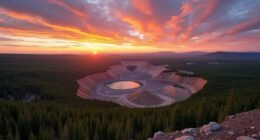
With the spotlight now shifting toward the Eagle’s Nest Project, anticipation is palpable as stakeholders enthusiastically await the next developments. Scheduled for construction in 2027, this underground mine aims to produce 15,000 tonnes of nickel annually, alongside significant amounts of copper, palladium, and platinum. Innovative backfill methods promise to store all tailings underground, ensuring no unsightly surface disruptions. Additionally, partnerships with the Webequie and Marten Falls First Nations underline a commitment to Indigenous engagement. The project’s focus on sustainable practices aligns with broader goals of building resilient supply chains. As environmental assessments and infrastructure planning progress, many are optimistic about the economic potential, making this project a true cornerstone for mining in Ontario’s future, particularly given that the IAAC does not conduct assessments for the Eagle’s Nest mine project. Notably, the comprehensive environmental assessment requirement has been removed, which could streamline the project’s approval process.