
Recent gatherings of environmental officials spotlight the Great Lakes, a treasure chest of nature and trade. With over 20% of the world’s freshwater, these lakes aren’t just pretty façades; they’re economic powerhouses providing essential jobs and drinking water. The talks centered on invasive species—think of them as uninvited party guests ruining the ecosystem’s vibe. Participants are determined to protect this natural resource. Curious about their strategies and future events? There’s more exciting information on the agenda!
Quick Overview
- The Great Lakes Commission meeting will take place in Washington, D.C., from March 3-5, focusing on water management discussions among environmental officials.
- Collaborative efforts among federal and state stakeholders aim to address environmental challenges and promote sustainable practices in the Great Lakes region.
- Invasive species prevention, including efforts against invasive carp and monitoring ballast water, remains a top priority for Great Lakes environmental officials.
- The Great Lakes Restoration Initiative provides funding for vital projects to protect and restore the lakes’ ecosystems and surrounding communities.
- Community involvement is encouraged through events like the Great Lakes Public Forum on February 4-5, allowing public feedback on water quality science.
Understanding the Importance of the Great Lakes and Recent Collaborative Efforts
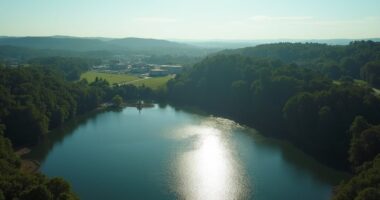
The Great Lakes, often dubbed the “Lakes of Life,” serve as a shimmering blue treasure chest, holding not just water but an immense wealth of ecological and economic significance.
The Great Lakes, a shimmering treasure, offer unparalleled ecological and economic wealth, vital for millions.
These colossal bodies of freshwater support a staggering regional economy valued at $6 trillion, directly generating over 1.5 million jobs. They quench the thirst of 40 million people while powering industries and recreation worth billions. The Laurentian Great Lakes contain approximately 20% of the world’s surface freshwater, highlighting their critical role in global water resources.
Moreover, shipping transports millions of tons of cargo annually, underscoring the lakes’ importance to commerce and trade.
Recent collaborative efforts, like the Great Lakes Restoration Initiative, have united diverse stakeholders to tackle challenges, ensuring this precious resource remains a vibrant lifeline. Local and regional partners also focus on building sustainable communities that balance environmental protection with economic opportunity.
Together, they’re crafting a sustainable future for both the lakes and their surrounding communities.
What Are the Key Environmental Priorities for the Great Lakes?
What are the pressing environmental priorities that keep Great Lakes officials awake at night, sipping coffee and pondering the future of these vast freshwater resources?
Invasive species prevention tops the list, as agencies work tirelessly to block newcomers, like the notorious invasive carp. Meanwhile, monitoring ballast water and utilizing eDNA surveillance are key strategies. Control efforts target the dastardly sea lamprey and pesky Phragmites. Over 180 established aquatic non-native species threaten native ecosystems, highlighting the urgency of these efforts. Collaborative initiatives across federal and state lines provide a united front, with the Great Lakes Restoration Initiative funding vital projects. The region’s $5 billion fishery is at risk, underscoring the importance of combatting aquatic invasive species. Fundamentally, it’s a team sport, and every player counts in safeguarding these precious waters. Pollinator health is also tied to watershed and habitat quality, and officials are increasingly considering pollinator conservation as part of ecosystem management.
Get Involved: Upcoming Events You Won’t Want to Miss!
While many may think environmental issues are best left to scientists and policy makers, there’s a vibrant community of passionate individuals enthusiastic to roll up their sleeves and plunge into the action. Local volunteers often help monitor water quality and implement conservation practices to protect freshwater resources.
Upcoming events like the “Waves of Change” webinar on January 15, 2026, will arm participants with essential tools for Great Lakes activism. Don’t miss the Great Lakes Public Forum on February 4-5, where public feedback can shape water quality science. Additionally, mark your calendar for the Great Lakes Region Climate Action Seminar on January 29-30, 2026, focusing on landscape architecture and climate change—a crucial topic for our future.
Join experts at the Great Lakes Commission’s meeting in Washington, D.C., from March 3-5, and bring your best ideas to the table—after all, water management is no small fish!