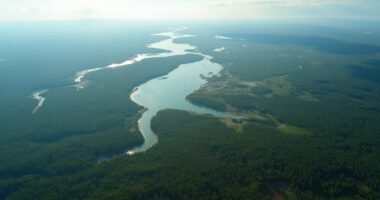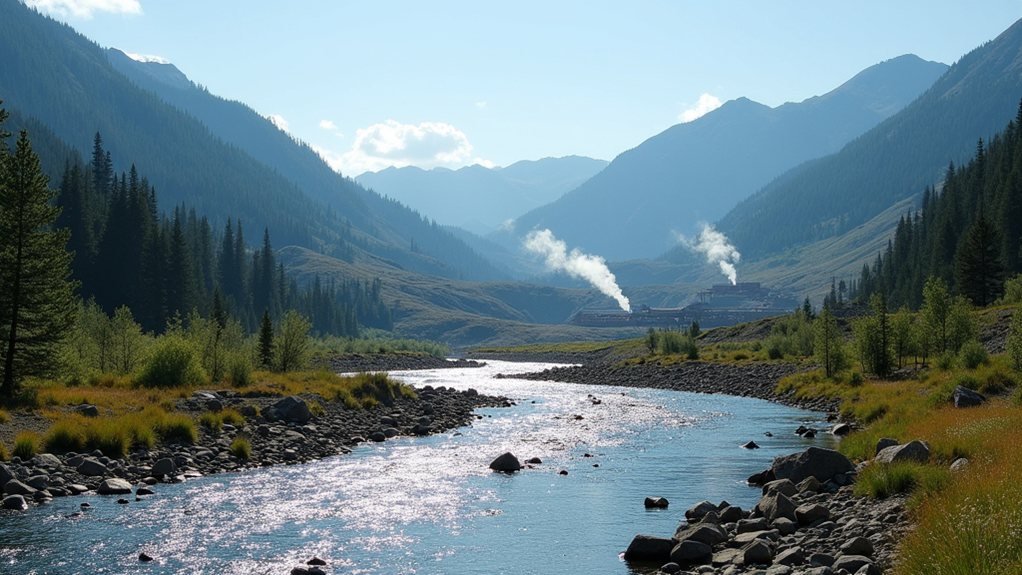
The Elk Valley coal mine expansion is stirring the pot in 2026, as water pollution takes center stage. Selenium levels have skyrocketed, wreaking havoc on fish and other aquatic life—a bit like giving them an unwanted surprise party in their gills. New regulations are rolling out, aiming to tackle this mess while bringing local communities into the loop. It’s a rocky road ahead, but the hope is for healthier waters—stick around to see how it all unfolds!
Quick Overview
- The Elk Valley Coal Mine’s expansion is under scrutiny due to its severe impact on local water pollution, particularly selenium and nitrate levels.
- New regulations require monitoring and gradual reduction of selenium limits to protect water quality and aquatic life by 2026.
- Ktunaxa First Nations have a say in decision-making processes, aiming to improve local water management and compliance.
- Teck’s $1.4 billion investment in water treatment facilities targets selenium pollution, essential for future expansion plans.
- Ongoing community involvement is crucial to ensure sustainable mining practices and protect water resources in Elk Valley.
Overview of Water Pollution in Elk Valley
In the vibrant tapestry of Elk Valley, a less-than-charming thread has emerged—water pollution. Selenium levels have skyrocketed, booming by 551% in the Elk River since 1979, often shattering British Columbia and Montana’s water quality standards.
Not to be outdone, nitrate concentrations have soared 784%. Envision this: natural selenium levels hang out at a casual 0.4-1.25 ug/L, while industrial-induced peaks have hit an eye-watering 674 ug/L! Selenium contamination is expected to cost an estimated $6.4 billion to reverse over the next 60 years. This grim scenario is further exacerbated by transboundary waterways being highly susceptible to human land use, particularly mining operations.
Much like a messy buffet plate, the water’s becoming a hodgepodge of sulfates and nitrates, leaving local ecosystems holding the bag. Effective water reduction strategies and monitoring are crucial to mitigating these impacts. This grim reality calls for serious action and a hefty price tag for remediation.
How Does Selenium Really Impact Fish and Other Aquatic Life?
Selenium’s impact on fish and aquatic life can be a bit like one of those surprise twists in a movie—unpredictable and often shocking. This element disrupts cellular harmony, releasing oxidative stress that could turn the most peaceful fish into anxious, sluggish versions of their former selves. Think of it as throwing a wrench into their metabolic machinery, hindering growth and impairing reproduction. Additionally, the toxicity of selenium can lead to increased neurotoxicity effects, which further complicates the survival of these species. Over generations, selenium’s cruel grip persists, leading to deformities and behavioral quirks. With its sneaky reach into developing eggs, it transforms aquatic life into a tragic sequel, echoing effects across the aquatic ecosystem. Nature’s plot twist, indeed! Selenium plays a key role in regulating antioxidant systems, making its presence even more complex when it comes to the health of aquatic organisms. Protecting biodiversity is essential to maintain the delicate balance of ecosystems affected by contaminants like selenium.
What Are the New Regulations Addressing Elk Valley Water Pollution?
New regulations addressing water pollution in the Elk Valley are stepping up like an enthusiastic coach at halftime, ready to bring game-changing strategies to the field. Emphasizing sustainable food practices can inspire local communities to reduce environmental impact alongside these mining efforts.
The amended Area Based Management Plan, introduced on July 30, 2025, enhances water quality goals, significantly involving the Ktunaxa First Nations in decisions. Permit 107517 requires decreasing selenium limits over time, engaging in compliance monitoring across multiple sites. According to the Elk Valley Water Quality Plan, Teck’s impressive $1.4 billion investment in water treatment facilities is designed to tackle selenium pollution. Additionally, the ongoing environmental degradation in the Elk Valley continues to pose serious challenges to achieving these new water quality targets.
With federal regulations on the horizon, the Elk Valley aims to become a model of sustainable mining practices.