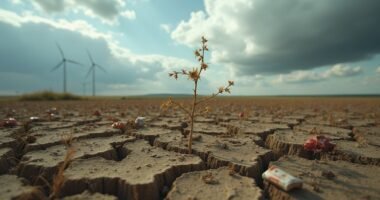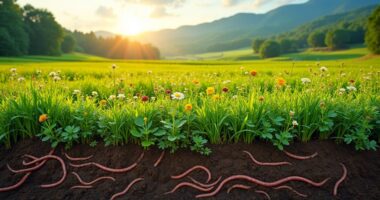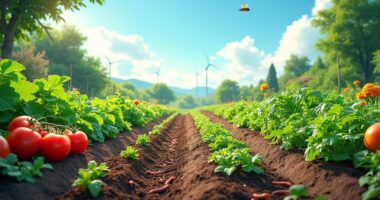

The partnership between Ducks Unlimited Canada and Loblaw is revolutionizing Canadian agriculture for 2026. Think of it as turning dusty fields into thriving ecosystems using smart farming and conservation ethics. They’re planting perennial forages in low-yield lands like nature’s version of power armor for soil health. By partnering with grain growers and agronomists, they bolster biodiversity and soil resilience—call it nature’s orchestra getting a tech upgrade. With collaboration guiding the way, the future of sustainable agriculture is promising.
Quick Overview
- Ducks Unlimited Canada and Loblaw collaborate to enhance sustainable agriculture and conservation by improving farm and community environments.
- The partnership focuses on transforming low-yield land into productive habitats for biodiversity and resilient farming.
- Strengthened by conservation efforts, the initiative aims to integrate environmental care into farming for sustainable food supply.
- The collaboration builds upon nearly nine decades of Ducks Unlimited Canada’s conservation work and ethical frameworks.
- The partnership facilitates networks between grain growers and DUC agronomists, promoting soil health and environmental benefits.
How Sustainable Practices Are Shaping Canadian Agriculture’s Future
In the ever-evolving world of Canadian agriculture, sustainable practices are like the much-needed plot twist in a gripping novel, gradually steering the story toward a brighter future. There’s a fresh focus on soil health, now hailed as a national asset. Think of it as soil going from a supporting role to the main character, contributing to productivity and resilience. With sustainable agriculture, nurturing soil health becomes key for future generations, ensuring the longevity of food production. The 2026 Census dives deeper into the environmental practices, turning the farm fields into a test lab for the latest green technologies. With total stocks of principal field crops projected to be 10.2% higher than in 2024 and 15.8% above the five-year average, there’s a significant stock build-up that results in increased focus on sustainable methods. It’s like a sci-fi future where cover crops and renewable energies are the superheroes, battling climate villains with facts and figures. New categories added to the commodity questions in the 2026 Census will help in monitoring these emerging sustainable practices.
How the Marginal Areas Program Transforms Cropland
Transforming cropland can feel like a magical makeover for the land, and the Marginal Areas Program (MAP) is the fairy godmother waving the wand.
Converting low-yield acres into perennial forages ain’t just a trick; it’s a conversion. Imagine unwinding knotty soil health issues with a single swish, establishing lush perennial covers that boost resilience. By embracing conscious consumption, farmers can reduce waste and contribute to overall soil health.
Farmers become magicians, turning problematic plots into thriving fields. Soil absorbs water like a sponge, laughing at weather extremes. Ducks and insects throw a biodiversity bash in these new habitats.
Building on initial partnership established back in 2025, this ongoing collaboration ensures continued support for both agronimists and farmers alike. With funding from Loblaw, this partnership spells a real jackpot – for farms and nature alike. The collaboration aims to foster community benefits through sustainable agriculture and conservation efforts, enhancing both environmental and farm productivity.
See How Farms and Communities Are Thriving Together
How do partnerships like the one between Ducks Unlimited Canada and Loblaw Companies Limited transform not just farms but entire communities?
Well, imagine turning the dusty land of the Prairies into a veritable buffet for both humans and nature. This collaboration is like a matchmaking service for farmers and the environment, pairing grain growers with DUC agronomists to rejuvenate soil health. The new partnership announced between Ducks Unlimited Canada and Loblaw Companies Limited builds on a relationship established in 2025, focusing on wetland conservation and sustainable agriculture. DUC’s nearly nine decades of conservation efforts allow them to develop programs that benefit both farmers and the environment. Ethical frameworks such as environmental care guide these initiatives, ensuring they align with broader sustainability goals.
The ripple effect? Resilient farms, thriving wildlife, and communities that benefit from a sustainable food supply.
These efforts are akin to installing nature’s Wi-Fi; better connectivity leads to stronger ecosystems. It’s a win for everyone, even the insects.