Plant-based diets are stepping into the spotlight, challenging the meat-heavy norm with a mix of impressive health perks and a much lower carbon footprint. They may reduce risks of chronic diseases like heart disease and diabetes, akin to a shield against health woes. Meanwhile, meat provides that nutrient richness—think of it as the Swiss Army knife of diets. Finding the sweet spot between these choices could enhance both well-being and sustainability. Curious how this plays out? Stay tuned!
Plant-Based vs. Meat: Health and Environmental Impact
In today’s world, where health and sustainability are hot topics hotter than a summer sidewalk, the debate between plant-based diets and meat consumption takes center stage. Advocates for plant-based diets tout numerous health benefits, claiming that these green-filled plates can lower the risks of heart disease, type 2 diabetes, and even certain cancers. Imagine a diet packed with fruits, veggies, and whole grains, all working together like a superhero team to reduce mortality rates from chronic illnesses. Studies suggest that vegan diets can improve cardiovascular health, lowering LDL cholesterol and insulin levels, almost like giving your heart a spa day.
Yet, meat lovers don’t sit idly by. They argue that diets rich in animal products offer essential nutrients like protein, zinc, and iron in easily absorbable forms, putting plant-based options to shame. It’s like comparing a Swiss Army knife to a fancy kitchen gadget—both have their strengths, but one is naturally more versatile. However, for those choosing greener pastures, the road is not without its bumps. Nutrient deficiencies, particularly in B12 and iron, can loom large if one isn’t careful about supplementation. This is especially important as research shows lower rates of heart disease among those adhering to plant-based diets. Additionally, well-planned vegetarian diets can effectively meet protein and amino acid requirements, making them a viable option for many.
Meat enthusiasts champion their diets for providing essential nutrients in forms our bodies can easily absorb, proving their versatility.
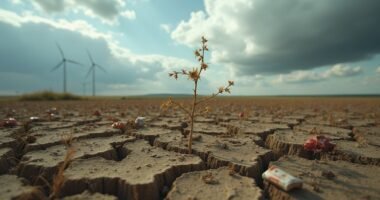
On the environmental front, the stakes rise even higher. Raising livestock generates a staggering 70% of agricultural greenhouse gas emissions, while plant production contributes a mere 4%. If that doesn’t make you rethink that juicy steak, what will? Shifting to plant-based diets might just be the secret recipe for aligning with global sustainability goals and preserving our ecosystems. Sustainable farming practices that focus on soil health can significantly reduce the environmental impact of both plant and animal agriculture, ensuring food security for future generations.
In essence, the choice between plant-based and meat-heavy diets is a balancing act. While plant enthusiasts celebrate a potential increase in life expectancy and reduced disease risks, meat-eaters defend the nutrient density of their meals. Ultimately, it’s about finding harmony between health, sustainability, and personal preference. Who says you can’t have your kale and eat it too?