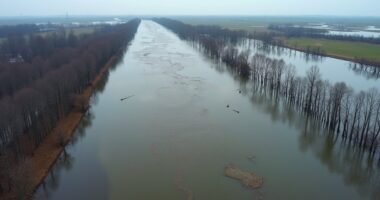

Salmon in Canada are in hot water—literally! Climate change is cranking up water temperatures and wreaking havoc on their habitat just as monitoring efforts are going cold. With over 44% of salmon populations lacking solid data, the situation looks grim. Extreme weather and habitat destruction are like a cruel game of salmon jeopardy. If society wants to see these fish prosper again, it needs to beef up monitoring and conservation. The journey to recovery starts with informed action!
Quick Overview
- Salmon populations in Canada have declined by 50% since the 1980s, raising alarms about their health and sustainability.
- Climate change is exacerbating salmon health issues through rising water temperatures and extreme weather events disrupting spawning access.
- Insufficient monitoring and government cuts threaten effective fisheries management and limit data on salmon health and populations.
- Advanced monitoring technologies, like automated systems and acoustic tags, are needed to track salmon health and inform conservation efforts.
- Implementing nature-based solutions in urban areas can enhance water quality and provide better habitats for salmon amidst changing climate conditions.
Understanding the Decline of Salmon Populations in Canada: A Call for Action
As scientists and environmentalists immerse themselves in the complex waters of salmon population decline in Canada, it becomes clear that understanding this issue is not just a matter of pointing fingers—it’s a clarion call for action.
Salmon populations across B.C. and Yukon have plummeted by 50% since the 1980s, with two-thirds of stocks below long-term averages. Data gaps hinder assessments, leaving 44% of populations in limbo. Furthermore, the decline in monitoring has raised concerns about the ability to manage fisheries effectively. It is alarming to note that nearly 44% of Pacific salmon populations lack sufficient data for assessment.
Meanwhile, government cuts threaten further monitoring. Imagine this: it’s like trying to navigate a ship in foggy waters without a compass.
Urgent measures are needed to steer these iconic fish toward recovery. Conservation efforts such as sustainable fisheries and protected areas can bolster population resilience and inform better management decisions.
How Climate Change Threatens Salmon Health and Populations
Climate change is not just a distant threat; it’s a looming storm cloud that casts a shadow over salmon health and populations in Canada.
Rising water temperatures are like a sauna for salmon, stressing them out and lowering survival rates. Extreme weather events, from droughts to floods, keep salmon from their spawning grounds, much like a traffic jam on the highway. Meanwhile, wildfires and habitat degradation turn their homes into inhospitable zones. The cumulative effects of these changes are like a bad breakup—too much stress and not enough support. Higher mortality rates due to disease and stress from environmental changes further exacerbate the challenges salmon face. Without intervention, the future of salmon populations hangs precariously in the balance. Declining trends in marine species at risk, such as Chinook salmon, highlight the urgent need for conservation efforts. Restoring and protecting critical habitats through ecosystem restoration is essential to give salmon populations the best chance to recover.
What We Can Do: The Need for Better Salmon Monitoring
When it comes to safeguarding the future of salmon populations, better monitoring strategies are not just a good idea—they’re essential.
Advanced automated systems can track breathing rates and stress levels in real-time, catching health issues before they escalate. Imagine having a fishy Fitbit! Additionally, monitoring mouth opening frequency can provide critical insights into fish welfare during stressful events.
Meanwhile, acoustic tags in rivers reveal migration patterns, transforming salmon tracking into a high-tech treasure hunt. This technology complements smolt wheels, which track salmon migration and provide valuable data on population health.
By employing AI for automatic identification, fish counting could rival the speed of a caffeinated squirrel.
These innovative methods create a thorough health picture, ensuring that salmon thrive despite the challenges posed by climate change. Urban nature-based solutions like rain gardens can improve water quality and reduce runoff that stresses salmon populations.
The future of salmon depends on it.