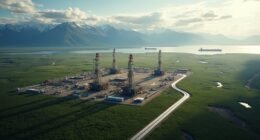
In March 2026, Canada jumped into action alongside 31 other nations to release strategic oil reserves. This collaborative effort aimed to calm the turbulent waters of the global oil market, where rising crude prices were causing significant alarm. With Canada being the fourth largest producer of crude oil, its role is like adding extra fire to a barbecue when the burgers are about to burn. What happens next? Let’s explore the broader context and implications of this bold move.
Quick Overview
- Canada participated in releasing 400 million barrels of oil reserves as part of a collaborative effort with 31 other nations to stabilize markets.
- The release aims to address supply shortages caused by military tensions in key oil trade routes, particularly the Strait of Hormuz.
- Rising crude prices driven by geopolitical factors prompted Canada’s involvement in the International Energy Agency’s strategic reserve initiative.
- This action reflects Canada’s position as the fourth largest crude oil producer and its commitment to global energy security.
- The release of reserves aims to mitigate potential economic inflation from high energy prices fueled by ongoing global instability.
Global Actions Addressing Oil Market Disruption
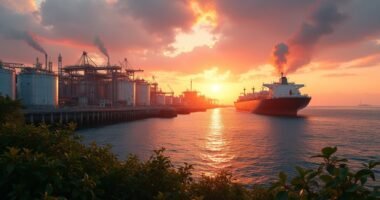
In the whirlwind of international oil markets, a chorus of nations—including Canada—has come together to tackle the disruption shaking the industry to its core.
With the Strait of Hormuz, a crucial artery handling 20% of global oil trade, facing military tensions, global actions are critical. Countries are responding to surging crude prices and potential supply shortages by coordinating strategic reserve releases.
As tensions mount in the Strait of Hormuz, nations unite to release strategic reserves and counter rising oil prices.
As OPEC+ production cuts and regional shut-ins escalate, these collaborative measures aim to stabilize markets, prevent inflation from skyrocketing, and keep energy prices from morphing into an economic monster.
Together, they’re trying to tame the oil beast before it goes rogue.
Beyond immediate market stability, reducing dependence on fossil fuels remains essential for addressing greenhouse gas emissions and their long-term impact on global temperatures.
How Canada Contributes to the Global Oil Strategy
Canada steps boldly into the arena of global oil strategy, wielding its considerable resources to navigate a turbulent market.
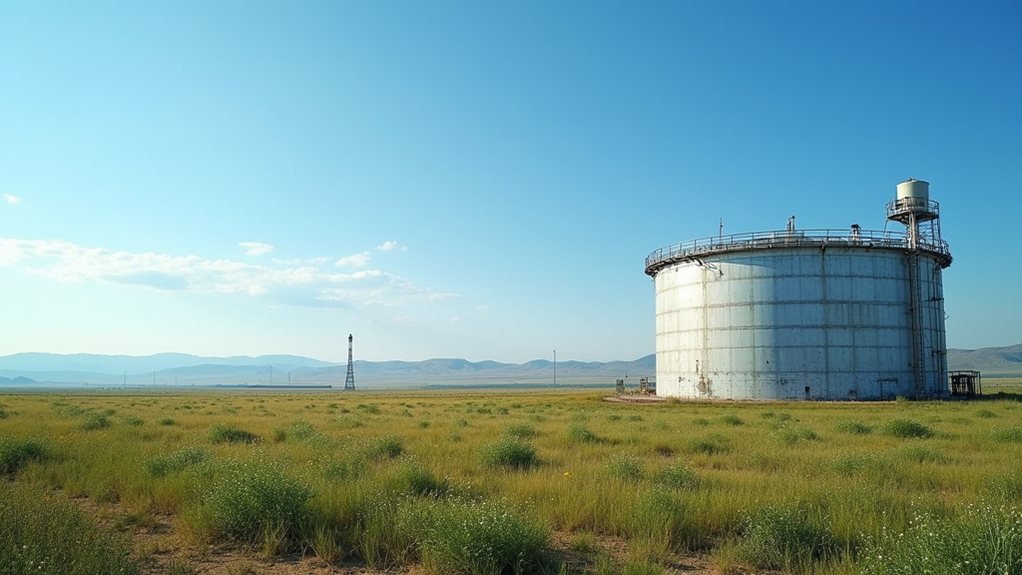
As the fourth largest crude oil producer, Canada’s strategic reserve participation contributes substantially to the collective IEA effort, with a coordinated release of 400 million barrels amid Middle East disruptions.
This collaborative movement doesn’t just address supply shortages; it’s Canada’s moment to shine on a global stage.
Experts emphasize that maintaining these reserves is like keeping a fire extinguisher handy; you hope it stays untouched, but when disaster strikes, it’s invaluable.
Understanding which energy security issues are most critical requires organizations to conduct materiality assessments that identify relevant environmental and social concerns.
Ultimately, Canada is not just a participant, but a key player in reshaping energy dynamics.
What Rising Oil Prices Mean for Canada and the Globe
How will rising oil prices ripple through the economies of Canada and the globe?
Higher oil prices, often influenced by geopolitical tensions, may boost Canadian crude exports.
However, forecasts reveal a global surplus that could squeeze prices downward.
Global oversupply may cast a shadow, pushing oil prices down despite current surges.
While Canada hopes for profitability, a glutted market and slowing demand from developing economies threaten its revenue.
Ironically, just as oil prices surge, the U.S.-Iran standoff adds “war premiums,” complicating expectations.
So, while Canada prepares to release reserves, long-term trends indicate that the highs of today could become the lows of tomorrow.
These geopolitical tensions are simultaneously accelerating the transition to renewable energy sources, with nations leveraging clean energy development as a strategic response to fossil fuel volatility.
Who knew oil economics could feel like a rollercoaster ride?