The UK’s food security faces serious risks, akin to a house of cards ready to topple. With half of its food imported and a reliance on fragile supply chains, any hiccup could spell trouble. Climate change only adds to the chaos—think extreme weather trashing crops and infrastructure. It’s a recipe for increased food insecurity and social unrest. But fear not, as solutions like diverse diets and sustainable practices could save the day. Stick around to uncover more insights!
Quick Overview
- The UK’s reliance on just-in-time supply chains makes food security vulnerable to disruptions.
- Climate change-induced extreme weather events threaten both crop yields and food processing infrastructure.
- Over half of the UK’s food imports come from regions susceptible to climate impacts, increasing risk.
- Increased food insecurity could lead to social unrest, highlighting the urgent need for systemic reforms.
- Sustainable practices and diversified food value chains are essential for enhancing resilience against future food shortages.
Identifying Vulnerabilities in UK Food Security
While it may seem that the UK’s food supply operates like a well-oiled machine, the truth is that beneath this veneer of stability lies a complex web of vulnerabilities that could unravel at any moment.
The UK’s reliance on just-in-time supply chains reveals a fragility, especially with about half of its food imported. Imagine relying on your neighbor for every meal—if their garden fails, so does your dinner. Recent cyber-attacks on retailers have highlighted these risks, demonstrating how easily disruptions can occur. Increased food insecurity can fuel social tensions and unrest, further complicating the situation.
The UK’s just-in-time food supply is a precarious balance, hinging on imports and vulnerable to disruptions.
From cyber-attacks to bad weather abroad, these risks can send prices soaring and leave shelves bare.
With food security absent from the national risk register, the alarm bells are ringing—someone should answer! A range of practical measures across the system, from reducing losses in transit to improving household habits through food waste prevention, could help bolster resilience.
How Climate Change Threatens Food Supply Chains
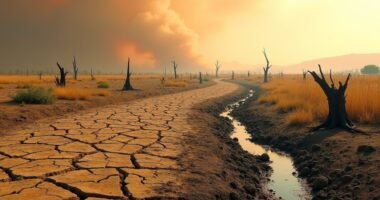
As climate change continues to rear its unpredictable head, it threatens to turn the UK’s food supply chains into a precarious balancing act that could leave many hungry.
Extreme weather wreaks havoc, flooding roads and damaging warehouses, while droughts deprive crops of essential water. Meanwhile, rising temperatures crank up stress on workers, making food processing feel like a sauna. Temperature changes lead to changes in yield and pest infestations, compounding the challenges faced by food producers and suppliers. With half of the UK’s food imports coming from climate-vulnerable regions, the stakes soar. One-third of UK food imports sourced from the EU further increases the nation’s vulnerability. Just-in-time supply chains, meant to be efficient, now wobble under pressure.
Sustainable water management measures, such as improved water conservation practices and efficient irrigation, can help reduce some of these risks.
Practical Solutions to Enhance Food Security
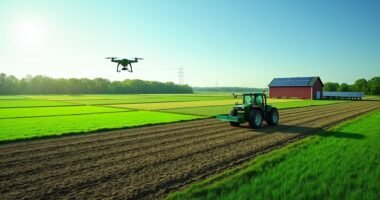
Food security doesn’t just hinge on what’s on our plates; it’s a complex puzzle that requires a multifaceted approach to guarantee everyone has enough to eat. Strengthening energy security is crucial, as our food systems rely on stable energy supplies. Diversifying food value chains adds resilience, protecting against disruptions like cyberattacks. Promoting varied diets helps spread demand, buffering against shortages. Additionally, reforming income and benefit systems guarantees that households can afford nutritious options. By weaving these strategies together, the UK can create a robust food security framework, safeguarding against climate-related risks while ensuring everyone can enjoy their daily bread—without the worry. Furthermore, increased scrutiny on HFSS and LHF foods presents an opportunity for businesses to reformulate products, making them healthier and more appealing to consumers. As regulations on BPA in food packaging tighten, it becomes ever more important for manufacturers to adapt and ensure the safety of their products. Supporting sustainable food production at every stage—from farm to fork—reduces environmental impact and strengthens long-term availability.